
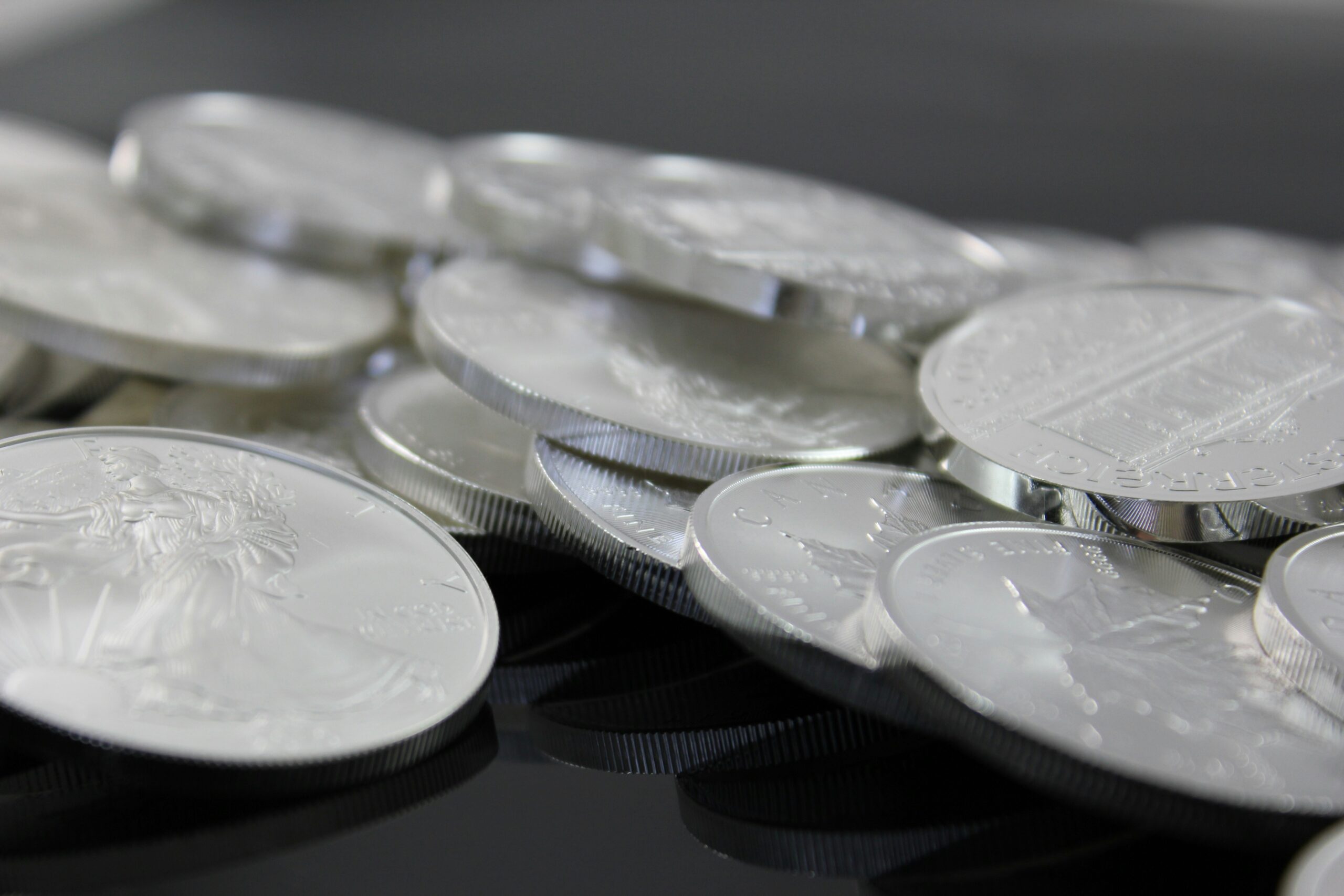
Holding a silver coin often raises a practical question: Does it belong in a collection, or is it simply valuable metal that could have stayed in a coin jar? Two coins can contain the same weight of silver yet be worth wildly different amounts, which is the gap this article examines.
Understanding silver coin value means looking through three connected lenses: metal content, design and history, and rarity and condition. These lenses help separate melt value from numismatic value without assuming that age or shine alone makes a coin collectible. The distinction becomes clearer once the metal floor is established and the reasons collectors pay above it come into view.
What Separates a Keeper From Pocket Change
A silver coin earns collector interest when it contains meaningful silver, carries a design or story people still pursue, or survives in a grade and quantity that make it difficult to replace. Otherwise, most circulated silver coinage is worth its melt value and little more.
Metal content establishes the price floor. Because melt value follows the silver spot price, a coin is unlikely to trade below the value of its silver for long.
Any amount paid above that floor is numismatic value. That premium reflects rarity, demand, and coin grade and condition rather than metal alone. Keeping this distinction in mind sets realistic expectations before examining a coin more closely.
How Much Silver Is Actually in the Coin
Metal content is the one part of a silver coin’s value that can be calculated rather than judged. The date and denomination identify the silver standard, while fineness and weight determine how its melt value responds to the silver spot price.
The Pre-1965 Rule and the Kennedy Exception
U.S. dimes, quarters, and half dollars struck before 1965 generally contain 90% silver. Their approximate silver weights are 0.0723 troy ounces for a dime, 0.1808 for a quarter, and 0.3617 for a half dollar. Multiplying that weight by the current spot price produces a basic melt figure.
The Coinage Act of 1965 ended traditional 90% silver production for circulating dimes and quarters. As a result, the date provides a useful sorting rule for pre-1965 silver coins.
The Kennedy Half Dollar is the notable exception. Issues dated from 1965 through 1970 contain 40% silver, so they should not be dismissed simply because they fall on the later side of the 1965 divide. Although they contain less silver than earlier halves, they retain a spot-linked metal floor.
Modern Bullion and What a Troy Ounce Holds
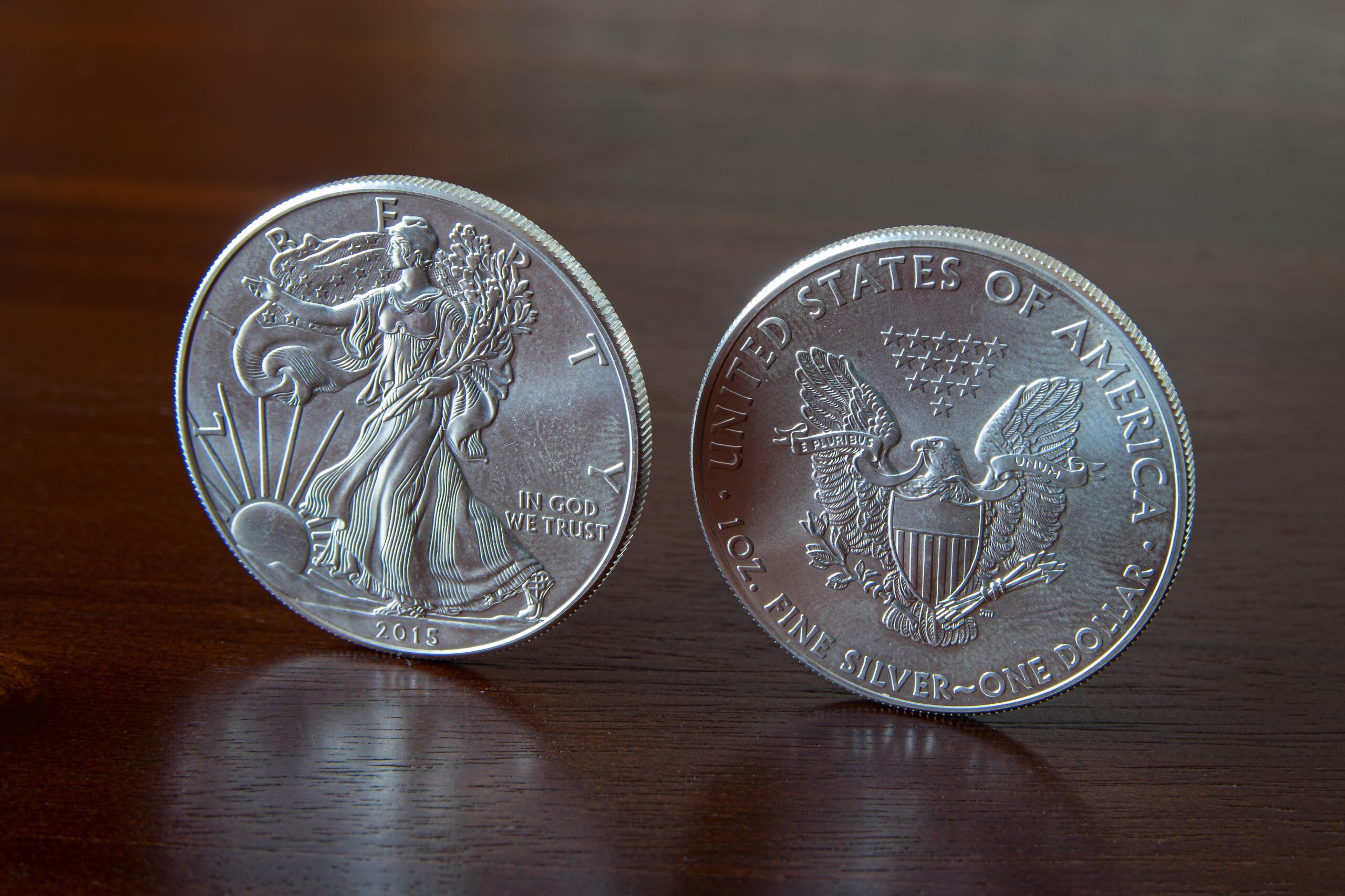
Modern bullion follows a more direct formula. An American Silver Eagle issued by the U.S. Mint contains one troy ounce of .999 fine silver, so its underlying metal value is approximately the live silver spot price for one troy ounce. Market prices may also include premiums for fabrication, distribution, condition, and demand.
Collectors seeking historic 90% coinage source it by date and mint mark, while someone tracking the one-ounce .999 market works from weight, fineness, and spot. That is why how to buy American Silver Eagle coins is a different exercise from hunting a key-date Morgan.
Spot-linked figures move daily and can become outdated within hours. Therefore, a fixed price in an old guide matters less than verified weight, fineness, and the current silver spot price.
Design and History Metal Cannot Explain
Silver content explains the floor, but it does not explain why two coins with similar metal weight can sell at markedly different levels. Design and history create collector demand, which supports the premium above melt.
Motifs and Engravers Collectors Still Chase
Adolph Weinman’s Mercury Dime and Walking Liberty Half Dollar remain widely collected because buyers value their designs as well as their silver. Both designs later returned on modern bullion issues, showing how familiar artwork can retain an audience after the original circulating series ends.
Finish also affects how a design is collected. Proof strikes receive special preparation and differ visually from ordinary business strikes, so collectors treat the formats separately even when the underlying motif is identical. Strike quality, surface preservation, and available supply create distinct markets within the same design family.
Why the Story Behind an Issue Adds Value
The Morgan Silver Dollar carries historical significance beyond its silver weight. It connects post-Civil War silver policy, western mining, and production across several mints, giving collectors multiple ways to build a set.
Transitions also attract attention. First and last years of issue, design changes, and shifts in metal standards create identifiable points within a series.
Mintage matters when demand exceeds supply. Low-mintage issues such as the Isabella Quarter and the 1995-W Proof American Silver Eagle can trade far above their metal value. In contrast, many modern commemoratives stay close to melt because the quantity issued met collector demand. A low number becomes meaningful only when enough collectors want the coin.
Rarity, Condition and When Premium Beats Melt
A common-date coin in circulated condition should generally be approached as a melt-value piece. Any claimed numismatic value above that level needs support from the issue, condition, and prices paid for comparable coins.
Date and Mint Mark: The First Screen
The date and mint mark together identify the exact issue. A familiar design can include ordinary coins and major rarities, as shown by the 1893-S Morgan Silver Dollar and the 1916-D Mercury Dime. Their date-and-mint combinations, rather than their designs alone, make them key dates.
Mint-mark placement varies by denomination and era. On much older U.S. silver coinage, the mark often appears on the reverse, while most modern issues place it on the obverse. Check both sides and compare the position with a reference for that series.
Mintage provides a starting point, but surviving quantity and collector demand determine practical rarity.
Grading Without the Jargon
Coin grade and condition describe how well a coin has survived. The Sheldon Scale runs from 1 to 70, but the most useful initial distinction is simpler: Circulated coins show wear, while uncirculated coins retain the expected details and surfaces.
Wear removes the fine detail that carries much of a coin’s premium. Even a scarce issue can lose substantial numismatic value when lettering, hair, feathers, or other high points become heavily worn.
Cleaning, scratches, and poor handling can also damage surfaces. PCGS and NGC authenticate coins and assign grades, reducing uncertainty about whether a piece is genuine and accurately described. That confidence matters for frequently counterfeited key dates and higher-value coins.
Checking Value Without Guessing
A sound valuation compares three references. The live silver spot price establishes the metal floor, the PCGS Price Guide provides published values by date and grade, and realized auction results show what buyers paid for comparable pieces.
However, none of these sources works alone. A guide price is not a guaranteed sale price, while an auction result for a certified, high-grade coin does not establish the value of a worn or unverified example.
A paid appraisal is justified when a coin appears to be a key date, authenticity remains uncertain, or a collection needs valuation for insurance or sale. Common circulated silver rarely warrants that expense because its value already tracks melt closely.
Judging Your Own Coins With Clear Eyes
A silver coin is worth collecting when something beyond its metal gives it a lasting claim on demand. That appeal can come from design, historical significance, scarcity, or exceptional condition, and it appears in the difference between melt value and numismatic value.
Most circulated silver is effectively a metal holding with a denomination and date stamped on it. There is nothing wrong with owning it on those terms, provided its value is not confused with the premium attached to a genuine collectible.
Ultimately, the collector’s skill is telling those categories apart before money changes hands. Metal sets the floor, but demand determines whether a coin rises above it.