
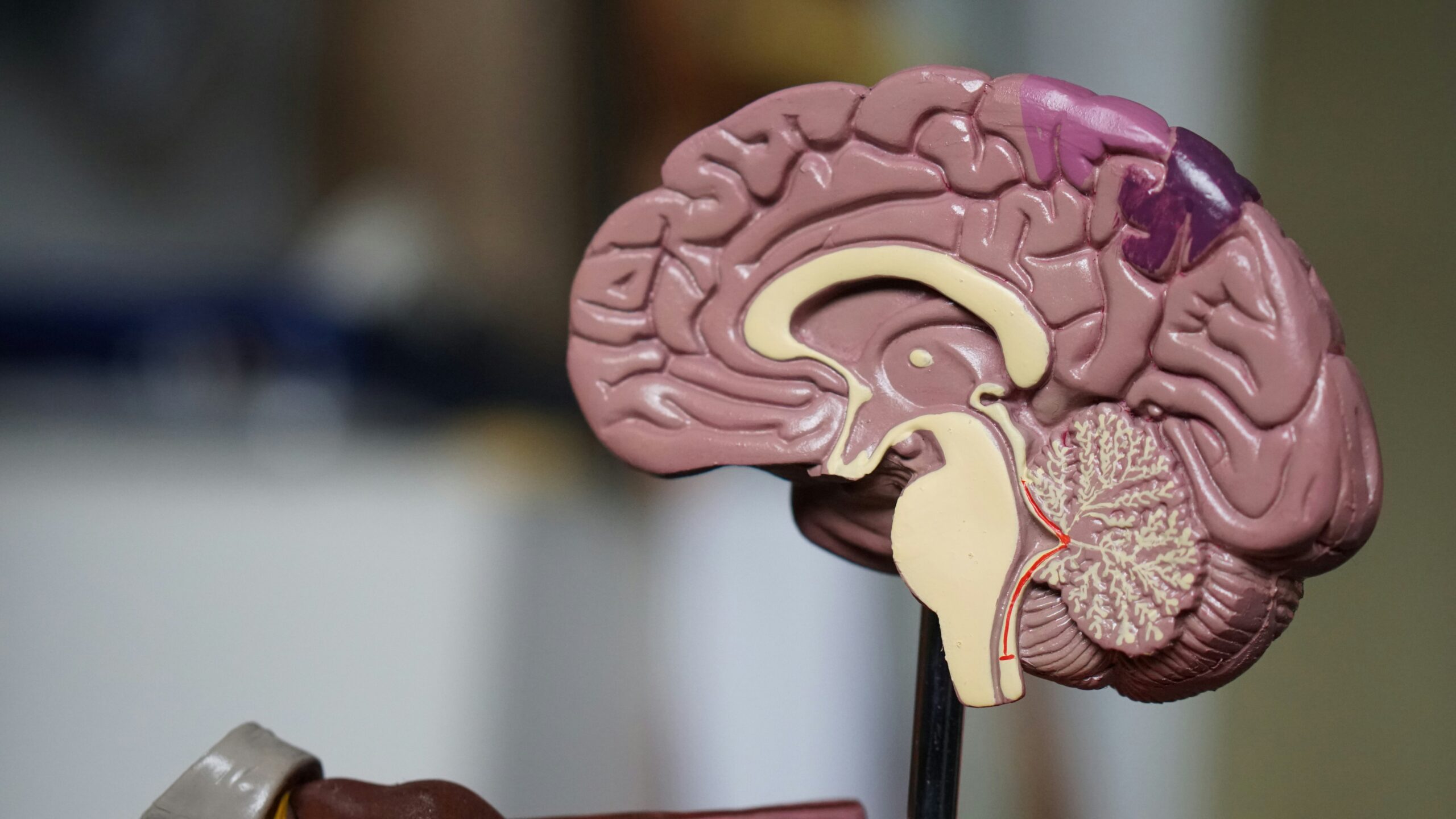
Treatment for a brain tumour may involve surgery, radiotherapy, chemotherapy, medicines, or a combination of these approaches. Recovery does not necessarily end when treatment finishes. Some people experience fatigue, changes in movement, speech, memory, or mood, while others may need little ongoing support. Understanding what to expect after brain tumours treatment Singapore can help patients and families prepare for follow-up care, rehabilitation, and the gradual return to everyday activities.
What Happens After Brain Tumour Treatment?
Recovery after brain tumour treatment varies considerably. The type and location of the tumour, treatment received, overall health, and any effects on brain function all influence what happens next. Some people return to their usual routines gradually, while others require rehabilitation or longer-term support.
After treatment, care may involve:
- Regular consultations and brain scans
- Monitoring for recurrence or changes in the tumour
- Managing treatment-related side effects
- Physiotherapy for movement or balance problems
- Speech and language therapy for communication difficulties
- Occupational therapy to help with everyday activities
A multidisciplinary team may be involved depending on the patient’s needs and treatment plan.
Why Is Recovery Important?
The brain controls many functions, so the effects of a tumour or its treatment can extend beyond the immediate recovery period. Symptoms may improve gradually, and some effects can take months to resolve. In some cases, treatment-related problems may appear later and require further assessment.
Ongoing care may help:
- Monitor changes through follow-up appointments and scans
- Identify complications or recurring symptoms
- Manage fatigue, pain, or seizures
- Restore movement and physical function
- Address speech, memory, or concentration difficulties
- Provide emotional and practical support
Regular follow-up is important even when you are feeling well because some brain tumours require ongoing surveillance.
Who Should Expect Follow-Up Care?
Most people who have undergone treatment for a brain tumour will need some form of follow-up, although the schedule varies according to their diagnosis and treatment.
Follow-up may be particularly important if you:
- Have undergone surgery to remove or biopsy a tumour
- Have received radiotherapy or chemotherapy
- Have a tumour that requires regular monitoring
- Continue to experience neurological symptoms
- Need rehabilitation after treatment
- Take medication for seizures, swelling, pain, or other symptoms
The follow-up plan is determined by the treating team and may include neurological assessments, imaging, blood tests, or additional treatment.
Who Should Seek Medical Advice First?
New or worsening symptoms after brain tumour treatment should be discussed with your healthcare team rather than waiting for your next scheduled appointment.
Prompt medical advice may be appropriate if you:
- Develop a new or worsening headache
- Experience a seizure
- Notice new weakness or numbness
- Develop changes in speech or vision
- Experience significant confusion or changes in behaviour
- Develop problems with balance or coordination
After brain surgery, increasing wound redness, pain, bleeding, fever, or persistent watery fluid leaking from the wound should also be assessed promptly. A cerebrospinal fluid leak can increase the risk of infection and requires medical attention.
What Treatment or Management Options Are Available After Treatment?
The next stage of care depends on whether treatment has been completed, whether further treatment is needed, and what symptoms remain.
Possible approaches include:
- Active surveillance: Some tumours may be monitored with regular clinical assessments and scans when immediate additional treatment is not required.
- Radiotherapy: Further radiotherapy may be recommended for certain tumours, including when abnormal cells remain after surgery.
- Chemotherapy: Some brain tumours require medication after surgery or radiotherapy, or if the tumour returns.
- Medication: Medicines may be used to control seizures, brain swelling, pain, or other symptoms.
- Rehabilitation: Physiotherapy, occupational therapy, or speech and language therapy may help address physical, communication, or cognitive difficulties.
- Supportive care: Psychological and practical support may be useful for patients and their families during recovery.
Not every patient requires all of these approaches. The treatment plan depends on the specific tumour and individual circumstances.
How Should You Prepare for Follow-Up?
Keeping track of your recovery can make follow-up appointments more useful. You may wish to record new symptoms, changes in existing symptoms, medication effects, and questions you would like to discuss.
It can also help to:
- Keep a record of scheduled scans and appointments.
- Take medications according to your prescribed plan.
- Bring a list of current medications to appointments.
- Ask when your next scan or review is expected.
- Bring a family member or friend if you would like additional support.
- Discuss when you can safely resume work, exercise, or driving.
Your restrictions and recovery plan may change as your condition improves.
What Happens During Follow-Up?
Follow-up usually involves reviewing your recovery, discussing symptoms, and assessing whether further treatment or rehabilitation is needed. Brain scans such as MRI or CT may be used to monitor the treatment area or check for changes.
After surgery, the tumour tissue may be examined by a pathologist to determine its type and characteristics. The results can guide decisions about whether additional treatment is needed. These results may take several working days, and the findings are typically discussed during a follow-up consultation.
For some patients, follow-up may continue for years. The frequency of appointments and scans depends on the type of tumour and individual risk of recurrence.
Benefits, Risks, and Possible Side Effects
The goal of follow-up is not simply to check whether treatment has worked. It also provides an opportunity to identify and manage ongoing effects of the tumour or its treatment.
Possible aspects of recovery include:
- Gradual improvement in fatigue and physical function
- Ongoing monitoring for tumour recurrence
- Management of seizures or headaches
- Rehabilitation for movement or speech difficulties
- Support for memory, concentration, or emotional changes
Some people experience significant fatigue or cognitive changes after treatment. Others may have speech, vision, movement, or personality changes depending on which part of the brain was affected. Some treatment effects may develop months or years later.
Recovery therefore needs to be assessed individually rather than based on a fixed timeline.
What Our Neurosurgery Team Says
Patients often expect treatment to mark the end of their brain tumour journey, but follow-up remains an important part of care. The recovery process depends on the tumour type, its location, the treatment received, and the individual’s neurological function. During follow-up, we assess symptoms, review imaging where appropriate, and consider whether rehabilitation or additional treatment is needed. Some patients may return to their usual activities gradually, while others require longer-term support. We encourage patients to report new or worsening neurological symptoms rather than waiting for their next scheduled appointment.
Putting This Into Practice
- Attend scheduled follow-up appointments and scans.
- Take prescribed medication as directed.
- Keep track of new or changing symptoms.
- Follow rehabilitation recommendations.
- Gradually resume activities according to medical advice.
- Ask your healthcare team when you can return to work, exercise, or driving.
When to Seek Professional Help
Seek medical attention if you:
- Develop a new or worsening headache.
- Experience a seizure.
- Develop new weakness, numbness, or difficulty speaking.
- Notice significant changes in vision, behaviour, or alertness.
- Develop problems with balance or coordination.
- Notice fever, increasing wound pain, redness, bleeding, or fluid leakage after surgery.
Frequently Asked Questions
How long does recovery take after brain tumour treatment?
Recovery time varies widely. Some people resume normal activities gradually over weeks, while others need several months of rehabilitation or ongoing support. Recovery depends on the tumour’s location, the treatment received, neurological symptoms, and general health. Your treating team can provide more specific guidance based on your progress.
Will I need regular scans after brain tumour treatment?
Often, yes. Follow-up scans may be used to monitor the treated area and identify changes over time. The timing depends on the type of tumour, treatment received, and risk of recurrence. Some patients require scans at relatively short intervals initially, with longer intervals between assessments when appropriate.
Can brain tumour treatment cause long-term side effects?
Yes. Some patients experience lasting or delayed effects involving fatigue, memory, concentration, speech, movement, vision, mood, or other neurological functions. The likelihood depends on the tumour and treatment. Rehabilitation and supportive services may help patients adapt to or improve some of these difficulties.
When can I return to work after treatment?
There is no single timetable for returning to work. It depends on your recovery, the type of work you do, and whether you have symptoms affecting concentration, movement, communication, or stamina. Discuss your job requirements with your neurosurgical or oncology team so your return can be planned around your recovery.
Can a brain tumour return after treatment?
Yes, some brain tumours can recur, although the risk varies substantially between tumour types. This is why follow-up appointments and imaging may continue after treatment has finished. If a tumour shows signs of returning, your specialist team can assess whether additional treatment or monitoring is appropriate.
Next Steps
Finishing brain tumour treatment does not necessarily mean that medical care ends. Follow-up appointments, imaging, medication management, and rehabilitation may all form part of ongoing recovery. Brain tumours treatment Singapore may involve different combinations of surgery, radiotherapy, chemotherapy, symptom management, and surveillance depending on the tumour and individual circumstances. Recovery can take time, and symptoms may change as the brain heals. If you notice new neurological symptoms, worsening side effects, or concerns about your recovery, consult your neurosurgical or oncology team rather than waiting for your next scheduled appointment.