
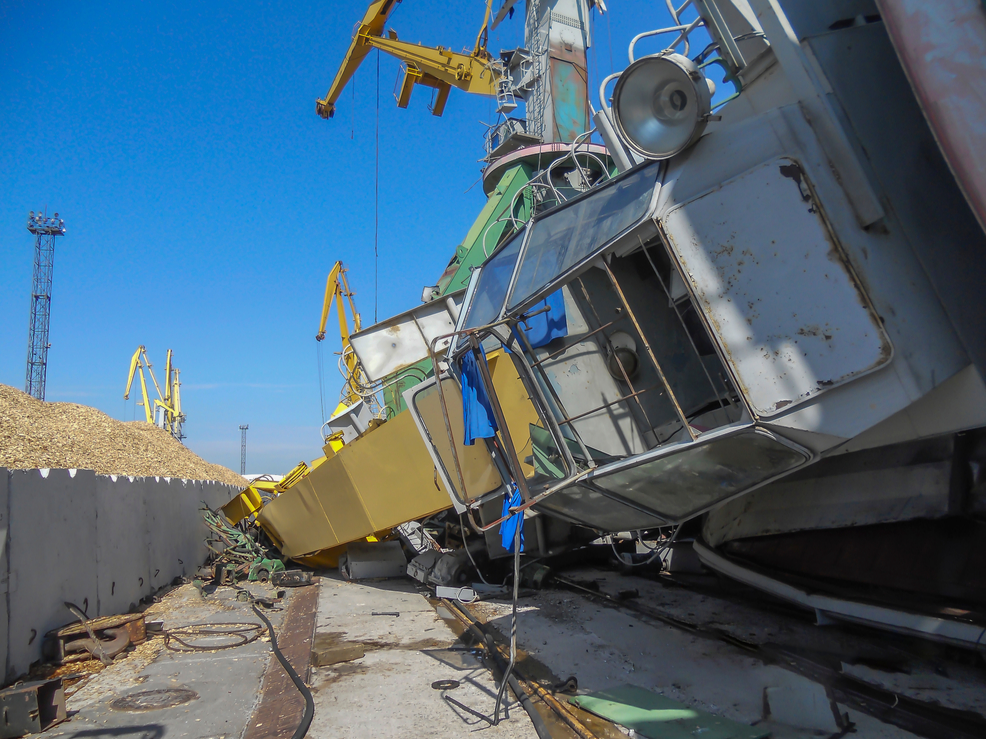
A crane can lift several tons with controlled precision, but that control depends on many small safety decisions working together. A missed inspection, an unstable setup, or a wrong signal can turn a routine lift into a dangerous event. Looking at the common causes of crane accidents shows why safety cannot rest on one person alone.
Every crane operation involves equipment, workers, planning, and communication. If one part of that system fails, the results can affect people across a worksite. For someone injured in a crane accident, identifying the specific failure can be important because it may reveal how the accident happened and which party may have responsibility.
Common Causes of Crane Accidents
Crane accidents rarely come from a single issue. Several problems may exist at the same time, especially on busy construction sites. Some of the most common causes include:
- Equipment defects or mechanical failures: Damaged cables, worn brakes, faulty hooks, and other defective parts can affect safe operation. Regular inspections and proper maintenance are important for finding these problems before a lift begins.
- Overloading or improper loading: Every crane has limits for the weight it can safely handle. Exceeding those limits can place excessive stress on the equipment. A poorly secured load can also shift, swing, or fall.
- Unstable ground or poor setup: A crane needs a stable foundation. Soft, uneven, or weak ground can affect its balance. Incorrect positioning or inadequate support can make tipping more likely.
- Operator errors: Crane operators must understand the equipment, load limits, worksite conditions, and required procedures. Inadequate training or failure to follow established safety rules can increase the risk of an accident.
- Communication problems: Lifts often involve operators, signal persons, supervisors, and other workers. A missed hand signal, unclear instruction, or radio failure can cause a load to move unexpectedly.
How Safety Failures Turn Into Serious Accidents
Different safety failures can produce different types of harm. A suspended load may fall or swing into workers below. A crane may tip after the ground gives way or the equipment becomes overloaded. Workers can also become caught between a crane and another object during positioning or movement.
Power lines create another serious hazard. A crane or its load can come too close to an energized line, exposing workers to dangerous electrical contact. These accidents show why crane safety involves more than operating the machine correctly. The surrounding work area, equipment condition, load, and communication system all need attention.
Who May Have Responsibility for a Crane Accident?
Responsibility depends on the facts of the accident. The party controlling one part of the work may not be the only party whose actions contributed to the injury.
Possible responsible parties may include:
- A crane owner or rental company: if defective equipment or poor maintenance contributed to the accident.
- An employer or contractor: if workers lacked proper training, supervision, or safe procedures.
- An operator or other worker: if a careless action or failure to follow required procedures played a role.
- A manufacturer: if a defective crane part caused the equipment to fail.
- A maintenance or repair company: if improper servicing left the crane unsafe.
In some cases, more than one party may share responsibility. That makes a careful review of the accident especially important.
Evidence That Can Connect the Failure to the Injury
Finding the cause is only part of the process. Records and physical evidence may help show what happened and who was responsible. Useful evidence can include:
- Crane inspection and maintenance records
- Training and certification records
- Photographs or video from the worksite
- Witness statements and accident reports
- Equipment manuals and load charts
- Rental agreements, work orders, and repair records
These details can help establish whether a safety rule was ignored, equipment was poorly maintained, or a known hazard was left unaddressed. For example, an inspection record may show that a problem existed before the accident. A work order may identify the company responsible for repairing a defective component.
Why the Cause Matters for a Legal Claim
The cause of a crane accident can affect the type of claim an injured worker may have. Workplace injuries may involve workers’ compensation, while negligence by an outside company may create a separate third-party claim. A defective component may also raise product liability issues.
For people researching the common causes of crane accidents, the key point is that the label “workplace accident” does not explain everything. The details behind the accident can matter. Identifying who controlled the equipment, who performed inspections, who directed the work, and who created the unsafe condition may help clarify the legal picture.
The Crane’s Failure Can Point to Liability
A broken cable, overloaded boom, unstable base, missed inspection, or faulty repair can tell a very different story about a crane accident. The important issue is not simply that the crane failed, but why it failed and who was responsible for preventing that failure. Maintenance records may point to an equipment owner, a work order may identify a repair company, or site records may show that a contractor controlled the lift.
Those details can change how responsibility is viewed after a serious injury. A careful look at the crane’s history, the lifting plan, inspection records, and the actions of everyone involved can help connect a specific safety failure to the resulting harm. For an injured worker, that connection may be central to determining whether a third party could be held responsible for the accident.
If you have been injured in a crane accident, speaking with a personal injury lawyer can help you understand your legal rights and the options available for pursuing a claim.