
Picture an orchestra warming up. Violins tuning, a trumpet testing a few notes, drums thumping randomly. It’s noisy chaos. Then the conductor raises a baton, and suddenly dozens of musicians play together in perfect timing, creating something beautiful. That moment is pure magic.
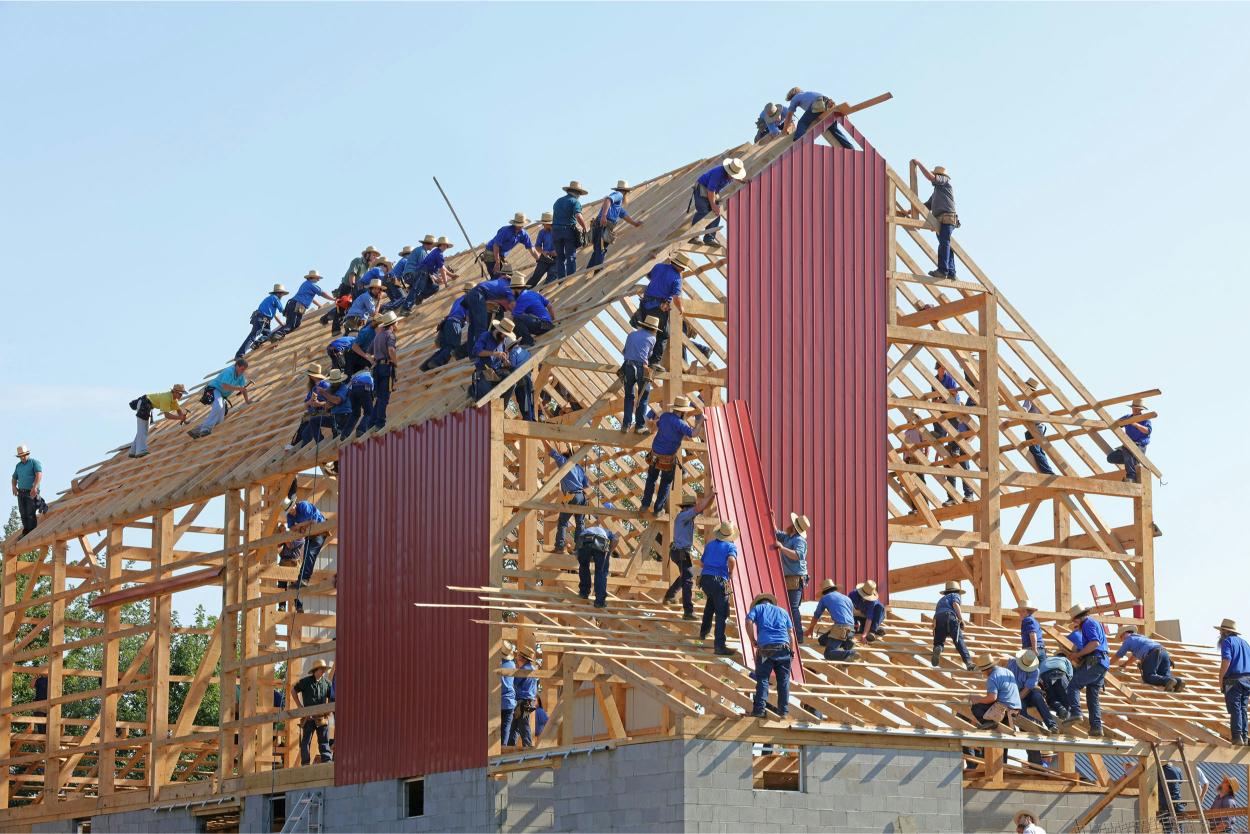
Building a house works in a surprisingly similar way. Dozens of skilled people, each with their own specialty, need to show up at the right moment and play their part. If someone comes in too early or too late, the whole project can fall out of tune.
That’s where construction contractors Denver CO homeowners hire come in. Like a conductor, a good contractor coordinates every trade, schedule, and decision, turning what could be chaos into a finished home that comes together beautifully. It’s leadership more than labor.
Why Building a House Requires So Many Different Specialists
It starts with design. Architects shape the layout, style, and flow of the home, while engineers make sure the structure, foundation, and systems are safe and sound. Their plans become the sheet music the rest of the team follows. The blueprint guides everything that follows.
Then come the builders. Excavation crews prepare the site and dig for foundations. Framers build the skeleton of the house. Electricians, plumbers, and HVAC installers bring power, water, and comfort systems to life, each working within specific codes and standards. Each crew has its moment to shine.
Finishing trades complete the performance. Drywall installers, painters, flooring installers, cabinetmakers, and tile setters bring the home’s look and feel together. Each specialist brings unique skills, and every one of them is essential to the final result. Every role matters.
The Importance of Getting the Sequence Right
Order matters in construction. Foundations come first, because everything else rests on them. Framing follows, creating the walls, floors, and roof structure. Without a solid foundation and frame, nothing else can happen. Skip a step, and trouble follows.
Next come mechanical systems. Plumbing, electrical, and HVAC lines run through the walls, floors, and ceilings while they’re still open. Inspections often happen at this stage to make sure everything meets code before it’s covered up.
Then insulation goes in, followed by drywall, then finishes like paint, flooring, cabinets, and fixtures. If steps happen out of order, work may need to be torn out and redone. Getting the sequence right saves time, money, and plenty of headaches. Patience with the order pays off.
What Happens When One Part of the Project Falls Behind
Construction schedules are like dominoes. If one trade falls behind, everyone after them may be delayed too. A late framing crew can push back plumbers and electricians, which can delay inspections, insulation, and drywall. One hiccup can echo for weeks.
Material delays are a common culprit. Windows, cabinets, appliances, or specialty items may arrive late due to supply issues. Without the right materials, certain work simply can’t move forward, no matter how ready the crew is. Supply chains don’t always cooperate.
Inspection requirements add more timing challenges. Some work can’t continue until inspections pass. If an inspection is delayed or something needs to be corrected, the next phase has to wait. Problems early on can ripple through the entire project schedule. Flexibility keeps the show going.
Why Communication Is the Real Secret to Successful Construction
Project management is the conductor’s baton. A good contractor creates schedules, tracks progress, and adjusts plans when things change. They make sure the right people are on site at the right time with the right materials. Somebody has to keep the whole picture in view.
Coordination among trades keeps everything running smoothly. Electricians need to know where plumbers are running pipes. HVAC installers need space for ducts. Regular communication helps avoid conflicts and costly rework. Talking early beats fixing later.
Quality control, budgeting, and homeowner communication round it out. Checking work along the way helps catch mistakes early. Tracking costs helps keep the project on budget. Keeping homeowners informed builds trust and helps them make decisions confidently throughout the build. Good communication prevents expensive surprises.
Conclusion
Building a house is a lot like conducting an orchestra. Dozens of specialists, from architects and engineers to framers and finishers, each play a crucial role that has to happen at the right moment. Each player depends on the others.
Sequence matters, and delays can ripple through the whole project. Material shortages, inspection timing, and scheduling conflicts can all throw things off, which is why strong coordination and communication are so important. Planning for hiccups keeps them small.
A beautiful house is the result of hundreds of moving parts. With skilled coordination, clear communication, and careful planning, a complex construction process can come together into a home that truly feels harmonious. That harmony is what homeowners feel when they move in.