
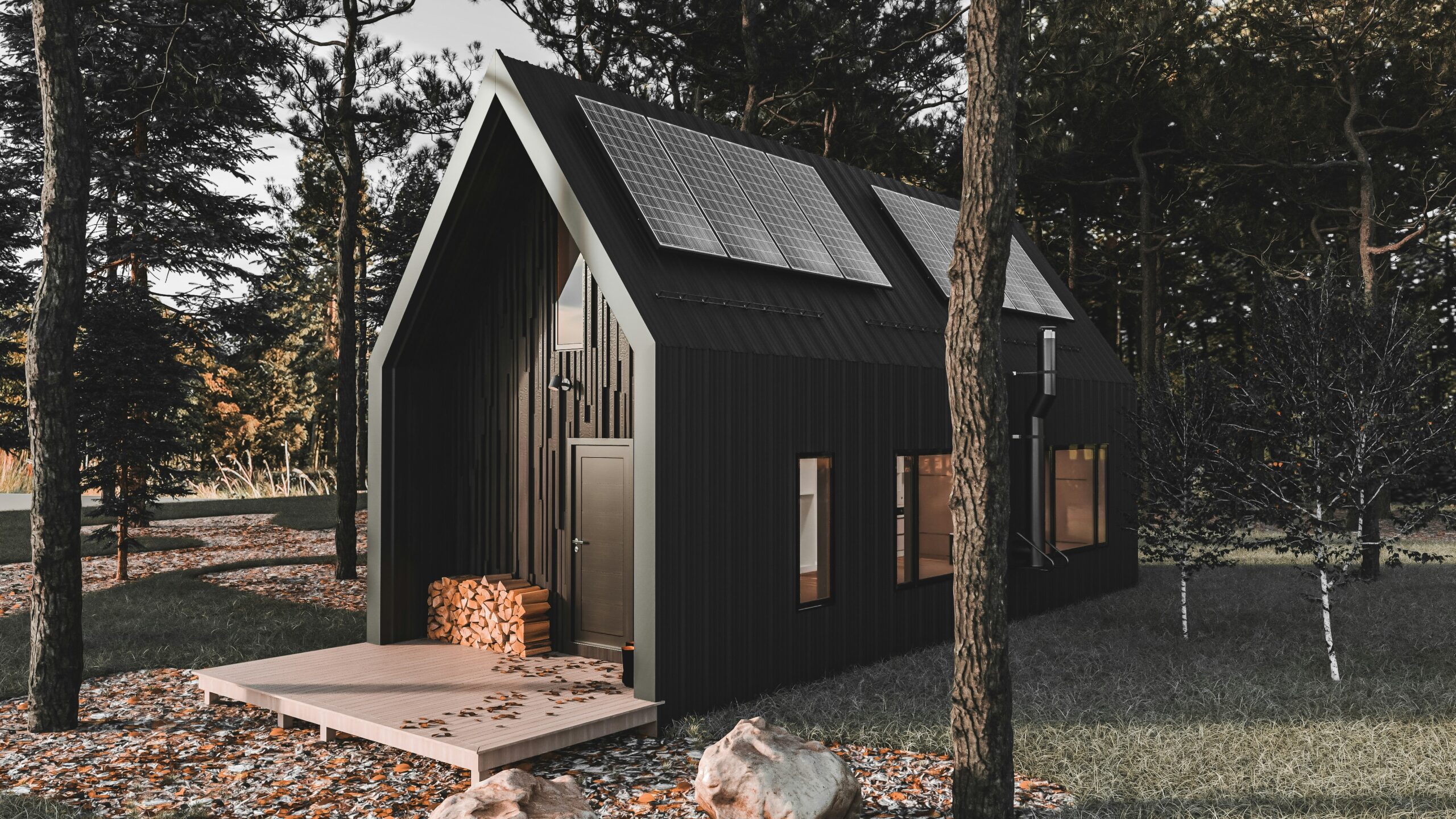
Downsizing to a tiny home is a life-changing decision that offers financial freedom and a simpler lifestyle. But it’s important to plan well when making the switch from a large home to a small living space. It’s important to consider the impact of micro-living before you make the decision to make the move. The following are seven key points to take into account before relocating.
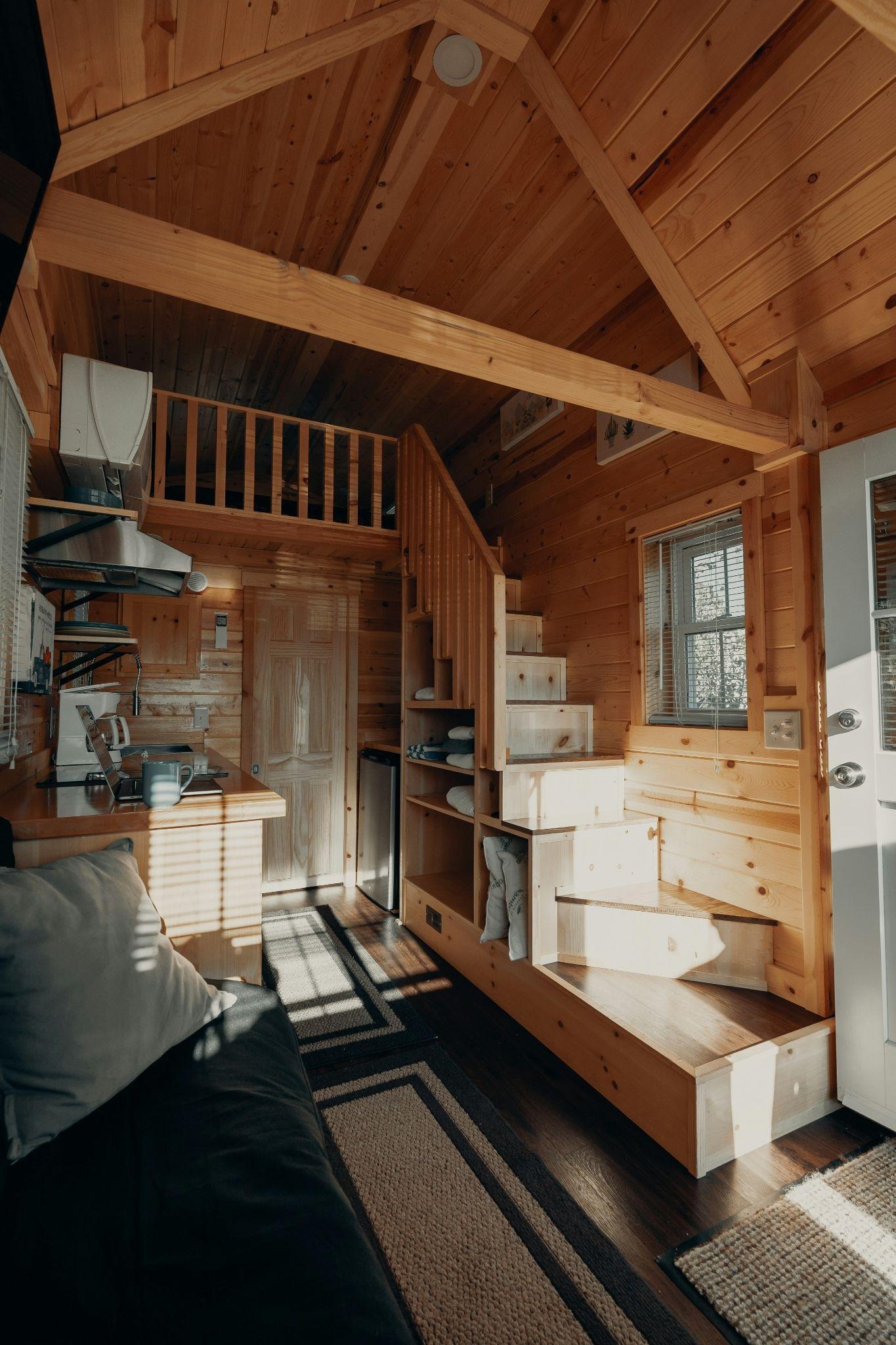
Local Zoning Laws and Building Codes
The most difficult aspect of the tiny home lifestyle is usually finding a spot to park or construct a home. The zoning ordinances differ from city to city and county to county. Tiny homes can be classified as recreational vehicles in some areas, or accessory dwelling units in others. Early research on the local zoning ordinance makes sure to adhere to the local ordinance and prevents problems with relocation costs later.
Downsizing Your Personal Belongings
When you live in a tiny home, you have to cut down on your possessions. Items such as clothing, kitchen utensils, and more will have to be assessed and only necessary items will be kept. Before purchasing your new space, exploring online resources like exploretinyhouse.com can give you practical inspiration for functional layouts and realistic minimalist living strategies. A critical key to success in living in a smaller footprint is learning to let go of unnecessary items.
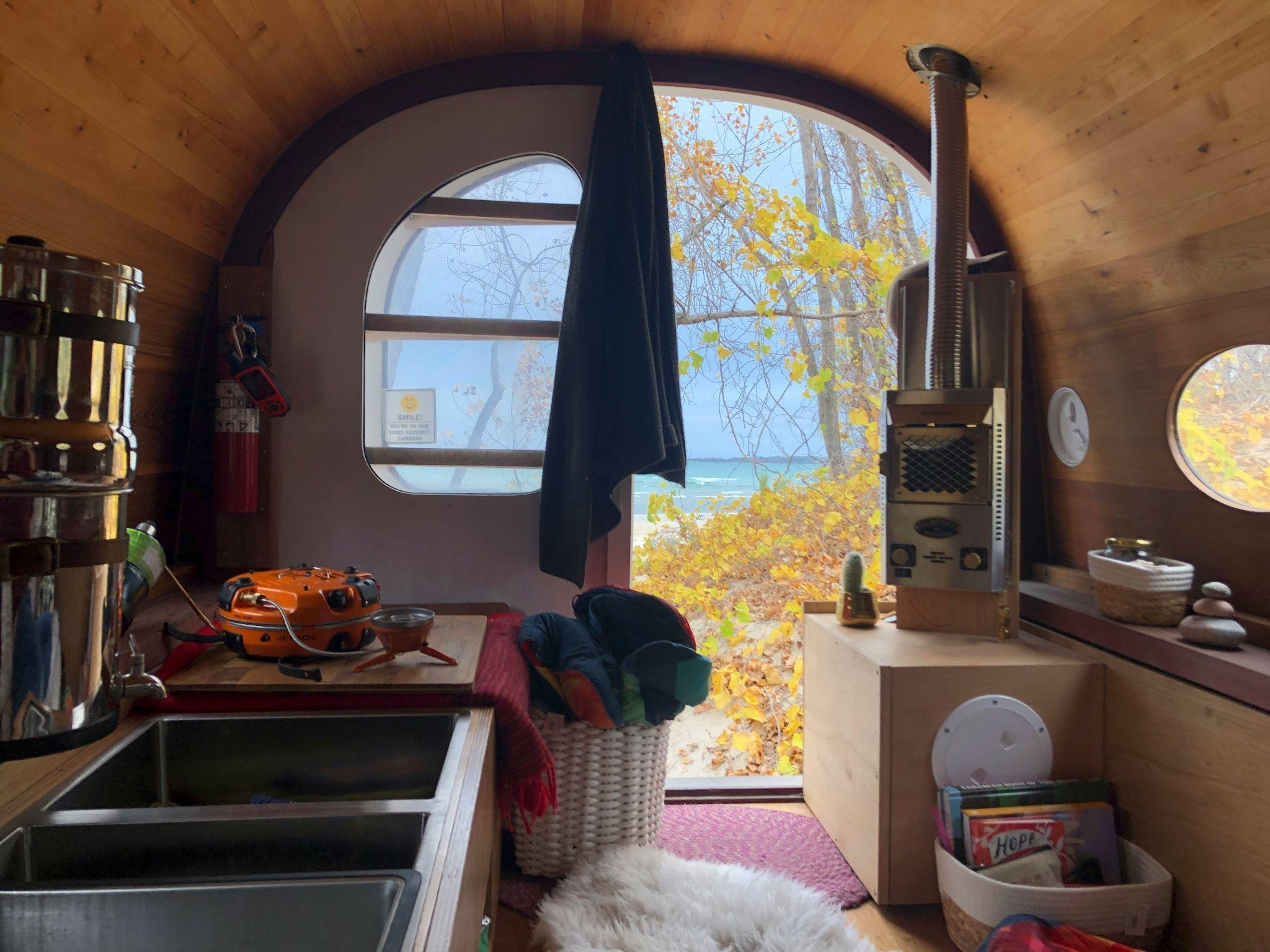
Space Optimization and Storage
When designing a design layout for a tiny home, every square inch counts. Furniture that serves more than one purpose, like drop-down tables or storage couches, helps to make the most of space. Use of vertical storage, such as tall shelves and hanging racks, avoids clutter on the floor. The interior is designed with care, making the small house look open and comfortable.
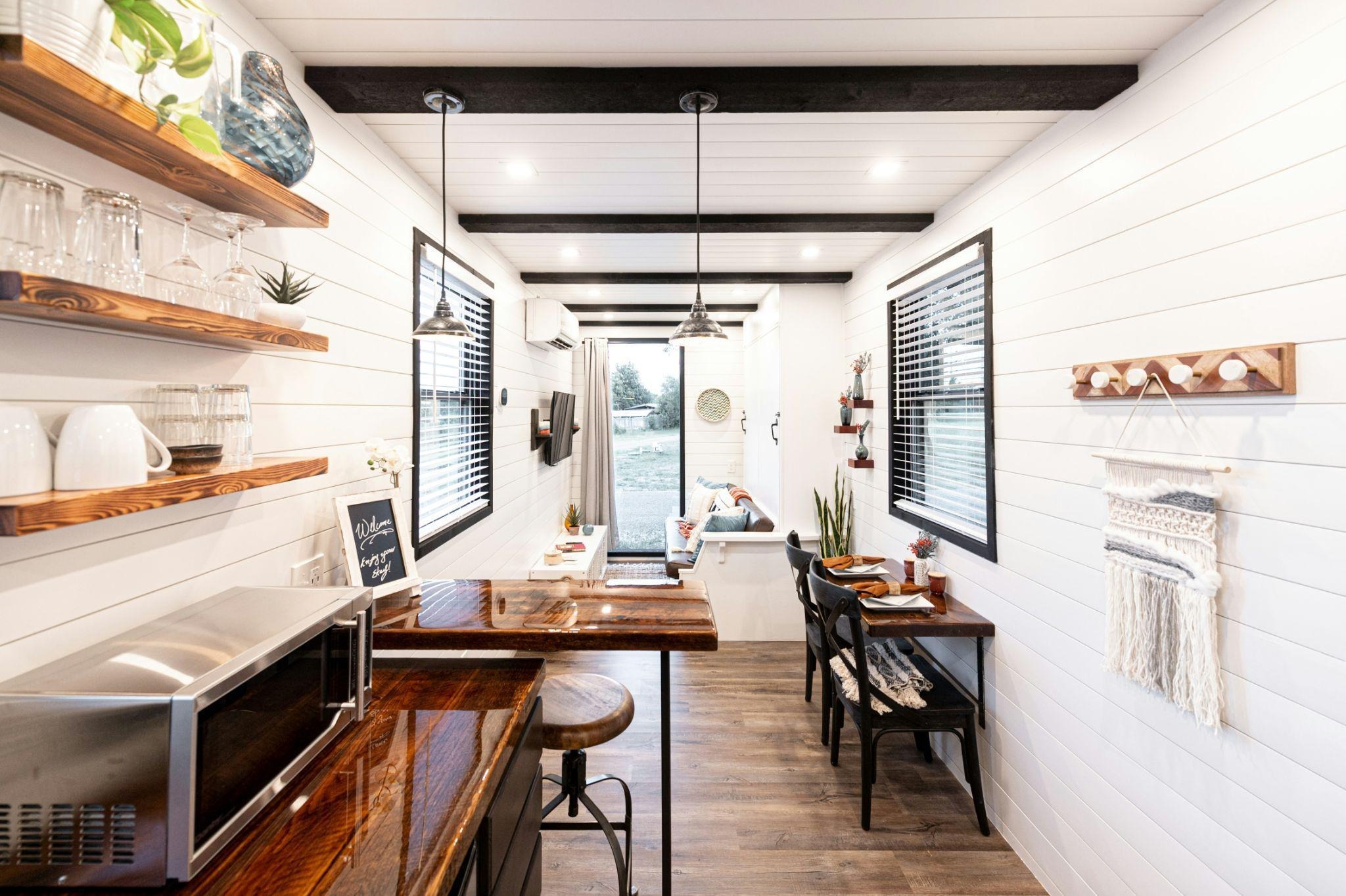
Utility Connections and Off-Grid Options
It is important to determine the way your little house will get its electricity, water, and sewerage. The conventional installations need connections to municipal water, sewerage and electricity lines. When considering an off-grid life, solar panels, rainwater collection systems, and composting toilets must be purchased. Understanding your utility preferences helps you estimate your initial setup costs accurately.
Financing and Overall Expenses
Typically, tiny homes are much less expensive than homes, but obtaining funding can be different. Mobile and non-traditional structures aren’t always subject to standard mortgage loans. Consider personal loans, RV loans or specific builder financing. Include rent, insurance and maintenance in your monthly budget.
Impact on Relationships and Privacy
Living in a small house with other people (such as family members or partners) means you need good communication and clear boundaries. A house that has less walls within, is less private, and sound can easily be heard throughout the house. When living in close quarters, it is important to discuss personal space needs prior to the move.
Transport and Mobility Needs
Whether to put your tiny home on a foundation or on wheels. In the case of a home being transported often, it is essential to take into account the weight of the home and the ability to tow the vehicle. Mobile setups can be flexible, but they’re also subject to additional maintenance to ensure the structure remains safe on the road.
Conclusion
Living in a compact house is a fresh chance to live simply and cut down on expenses. But long-term success is dependent upon full preparation and realistic outlook. When you takes time to evaluate zoning regulations, storage options, utility plans and lifestyle changes beforehand, you’ll be able to move into your new compact way of living with confidence.