
The summers in Texas are long and hot and bright. A sunny month after month can make your windows the most vulnerable part of the house. Old glass allows heat to enter, makes your air conditioner run longer and harder, and increases electricity costs. When homeowners consider replacing their windows with new high-performing glass, it helps to have an understanding of how the new glass functions. This guide is written at an easy-to-understand level.
Why Windows Matter So Much in the Heat
Windows are narrow separations between a cool house and a very hot outside. Older single-pane glass doesn’t reduce heat much, and heat enters the room easily, and the cool air that you pay for leaks out. First, the west-facing rooms may feel worst since the afternoon sun strikes them the hardest, so upgrading these rooms can make a big difference in comfort. Windows replaced by many homeowners find rooms that were too hot to use become pleasant again.
How Energy Efficient Glass Actually Works
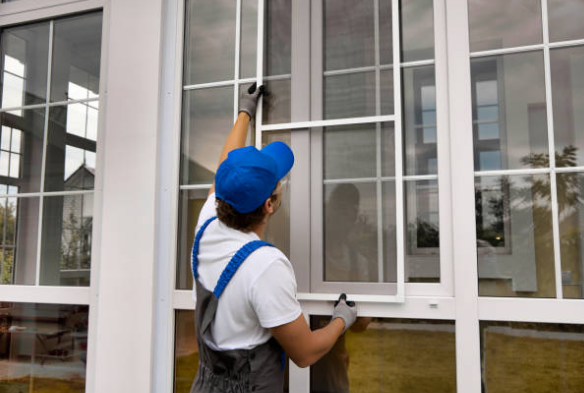
There are a number of smart features that work together to ensure efficient windows. The great majority are built with two panes of glass and a sealed space between them, thus slowing the flow of heat. There are some spaces that are filled with a gas that keeps the heat from escaping better than air. A very thin coating, often called Low-E, reflects heat while still letting daylight in. Poor frames can be a problem as well because they leak air regardless of excellent glass. Careful window installs also make a big difference, because even the best window performs poorly if gaps are left around the edges. A tight and level fit repels hot air and retains cool air.
Understanding the Labels on New Windows
While window labels can be confusing, a few numbers do most of the work. U-value indicates the rate at which heat flows through a window, and a lower U-value means less heat flows through the window. The solar heat gain coefficient indicates the percentage of solar heat that passes through the glass—the less, the better in hot climates. The visible transmittance is the indicator of how much natural light will enter. Many homeowners in Texas seek out low heat gain and good light to keep rooms cool but bright. When shopping for them, request these numbers.
Comfort Benefits Beyond Cooler Rooms
The energy-efficient windows do more than reduce the temperature. The coating reflects a large amount of UVA/UVB radiation from the sun, keeping floors, rugs, and furniture from fading. Double-pane glass also helps to block out noise from outside, so traffic and neighbors won’t be as loud. Better seals cut down on drafts and dust coming in around the frame. Others report that they experience fewer hot and cold spots around windows, making seating spots and desks much more comfortable. These additional benefits represent additional value on top of the savings per day.
Picking the Right Frame and Style
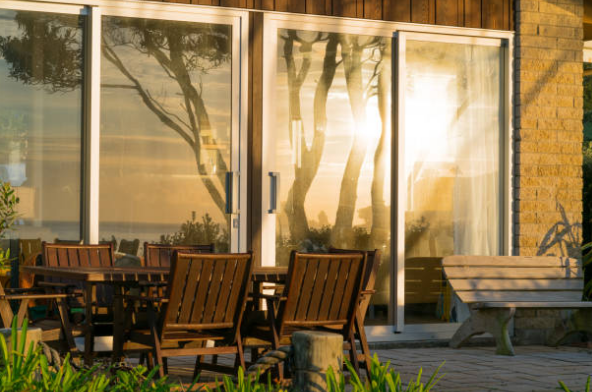
There are various types of frames, and each has its own set of properties. Vinyl is a popular choice since it is low-maintenance and cost-effective. Fiberglass is strong and is heat-resistant but may be more expensive. Wood is a beautiful material and will require regular maintenance, particularly in very sunny locations, and it will also require styling. Casement windows are likely to close well; double-hung windows are widely used and convenient to operate. You can select a frame style that fits your budget, your decorating style, and the level of maintenance you are willing to do.
Plan Your Upgrade and Budget Smartly
It is not necessary to replace all of the windows at the same time. Begin with the most sun- or glass-damaged rooms and gradually work up to more in subsequent years. Obtain written quotes that specifically include product, labor, and any additional expenses to make an informed comparison. Inquire about warranties for the windows and the workmanship. Keep in mind, energy savings are cumulative over the years, and even if the difference in costs is a bit higher now, it could mean a reduction in cooling expenses over time. The project is easy to follow and inexpensive.
Know the Signs It Is Time to Replace
Your windows typically will let you know when they are complete. Check for “foggies” on the glass that occur between the panes; this is a sign of failure. Look for drafts in the vicinity of the frame, soft or damaged wood, and difficulty opening and closing windows. If your cooling costs suddenly increase, it may be a clue that your glass is leaking. If you notice multiple of these, it is probably better to replace them than to continually repair.
Conclusion
One of the more practical methods for coping with the Texas summer is to upgrade homes with new windows. Glass not only keeps heat out, but it also keeps heat in and makes any room more comfortable. Know the basics, read the labels, and take things slow when upgrading. Once you have the right windows on your home, you can enjoy a cooler home and a more economical energy bill for many summers to come.