
Alabama is home to a rich variety of animal species. When these creatures are safe, the local environment flourishes from singing birds to large mammals. With each increasing neighborhood, natural spaces are engulfed rapidly. This means that there is less opportunity for the animals to get what they need – food and shelter. Luckily, there is something which residents can do immediately to save the nature. Here are some easy ways your community can contribute to the local wildlife’s survival and flourishing.
Plant Native Trees and Shrubs
One of the simplest steps you can take to help local animals is to plant some of the local plants in your yard. Native plants provide the ideal food and habitat for native birds, pollinating insects and small mammals. Wanted local flowers rather than imports? It’s a place that makes a healthy environment just outside your door. Communities can also have a joint planting effort in public parks for native trees. The small green areas will provide a secure shelter for animals to rest and eat while they are able to travel safely through the densely developed suburbs.
Support Safe Wildlife Corridors
Natural habitats are subdivided into small islands with the expansion of towns and roads to commercial buildings. This means that those animals who are in danger are forced across very dangerous highways. It is essential that these fragmented landscapes are connected for animals to survive. From a conservation perspective, it’s easy to see how vital animal movements are to the survival of wildlife, and Patrick Putman of Alabama, is no exception. Communities can help by retaining forest and keeping river banks in a natural state along these key waterways. Neighborhood connected pathways are open, and animals are not at daily risk to migrate to find food.
Limit the Use of Harmful Chemicals
Many homeowners use strong chemicals or pesticides so their lawn is green and healthy at all times. Unfortunately, these poisonous substances can be easily washed into local streams and have a negative impact on native amphibians, fish, and beneficial insects. Birds that eat toads can also develop sickness and be extremely affected if eating poisonous insects. Instead, it could be more effective to encourage alternatives to this practice, such as natural gardening methods. The local water system is entirely clean due to the use of natural compost and Organic pest control. Thus, you lower the usage of chemicals throughout the neighborhood and make it a much safer place for all living creatures. Access to clean water is critical for a healthy local ecosystem.
Participate in Volunteer Conservation Projects
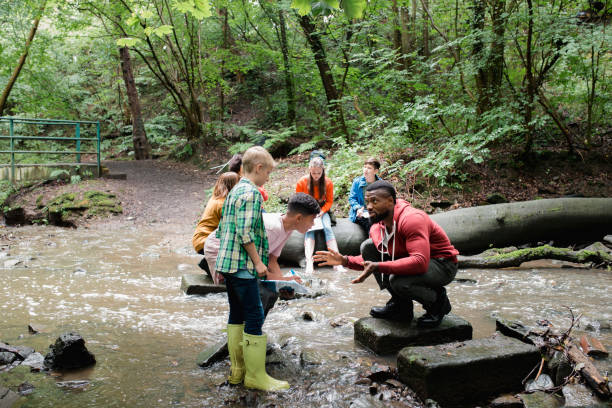
When it comes to taking physical action to safeguard nature, it’s never too late. In particular, many local environmental groups solely depend on members of the community who volunteer their time to accomplish the often critical conservation objectives of the group. Nearly everyone who lives in the neighborhood has a consistent opportunity to get involved on the weekends, cleaning up water bodies or helping to maintain public hiking trails. Don’t allow harmful debris to settle that can be eaten or block animals. Also volunteer for tree planting or citizen science programs. The outdoor projects are successful in establishing a community spirit as well as improving animal habitat.
Share Knowledge and Raise Awareness
Schools are and will always be an extremely important means of protection. There are many people who would like to do something for the animals, but just don’t know where. For those who wish to communicate with nearby neighbours, an excellent way to do so is to share some excellent conservation ideas. With your community board, talk about the open spaces in your community and/or having a community clean-up day. They can also invite some of the wildlife experts to visit these schools and educate children about wildlife indigenes. The more people know what they can do to make the community safer for animals, the better it is for animals.
Conclusion
Conservation of natural environment is a task of the community. With native plantings, safe travel routes and limited use of toxic chemicals, neighborhood groups can have a huge positive impact. So, in these key conservation efforts, it will remain vital to continue to serve and educate others. All these small steps will make a significant impact in the future to create a much healthier environment for people and nature. By cooperating closely, communities in the State of Alabama can guarantee that the wildlife of their area continues to be an integral and handsome element of the natural landscape for generations to come.