
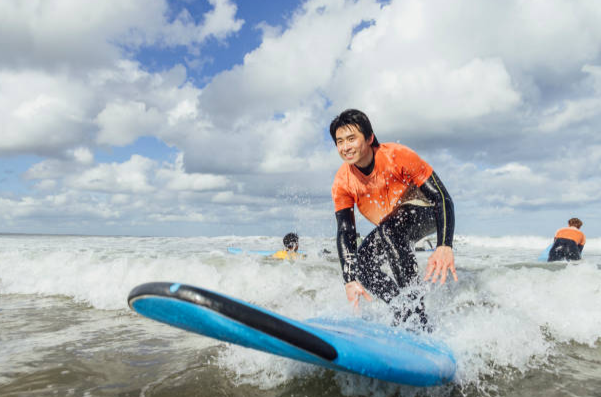
Picture yourself paddling out on warm turquoise water with palm trees on the shore. Surfing is the product of Hawaii and one of the best places on earth to try for the first time. There are lots of beaches with waves that aren’t too steep, warm waters and friendly culture. The following are simple tips to get you ready and having a great first session.
Why Hawaii Is Perfect for Beginners
In Hawaii, there are many areas with mild waves, particularly around Waikiki. The water is warm all year and you won’t shiver between waves. Take the long, slow breaks and have time to get up and take in the ride. There will be people who know their way around as well, as surfing is a way of life here. Many first timers fall in love with the sport right away. All of these make Hawaii a good classroom for your first lessons.
Take Lessons With a Qualified Instructor
There’s no better way to make your first day better than with a pro by your side. A good instructor will teach you about safety, paddling and standing and then teach you how to catch the first waves. If you want to keep improving, look for surf schools that offer surfing packages with several lessons at a lower price per session. After the first lesson, the beach talk can be omitted and sessions can be directly at the beach, resulting in more time spent catching waves. Lessons are personalised and take place in small groups or one-to-one.

Choose the Right Spot and Time
Choose a beach that is suitable for beginners and consult with local instructors for their suggestions. Mornings are often the best time as the winds are not as strong and the water is not as choppy. There’s smaller crowds as well. Early arrivals allow for warming up and relaxing. Always consult the surf report before heading out and keep in mind that waves in Hawaii vary from season to season. In general, the south shore is calmer in the summer and the north shore is rougher in the winter, so it’s best to leave the latter to the professionals.
What to Wear and Bring
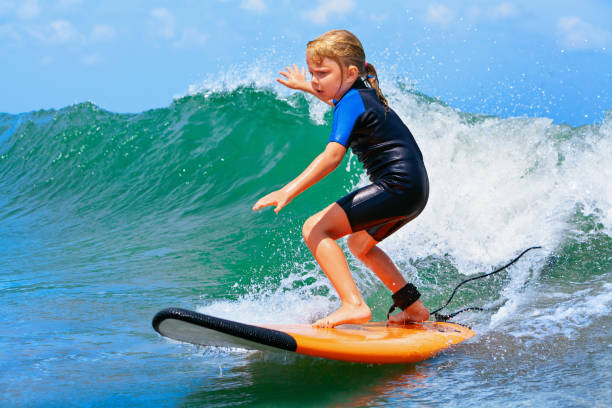
Keep it simple. Swimwear shirts that stay on the body, such as a rash guard and board shorts, or swimsuits that are tight-fitting. A rash guard will shield your skin from sun and rubbing the board. Use reef safe sunscreen, which is better for the ocean and for marine life. Take a towel, some water, and fun. Don’t leave home without a hat. Remove jewelry, valuables, and fasten long hair.
Learn the Basics on Land
Practise the pop-up on the sand before you get into the water. While lying face down, place your hands on your chest and push up using one continuous motion, kneeing feet under yourself. Keep knees bent and focus on forward vision. Repeat a few times until it feels like it. Stretch your shoulders and legs as well, since paddling takes more energy than you expect. This small step makes standing on a real board much easier.
Respect the Ocean and Local Etiquette
The sea is a worthy topic for respect. Listen to your instructor, don’t go into the water beyond your ability, and never look the waves in the eye. Understand the basic rule of the lineup, which is that the surfer nearest the break has the right of way. Be courteous to fellow surfers and locals. Be careful when swimming near the reef and never stand on any coral. A positive mind-set can make a big difference.
Be Patient and Keep Practicing
It takes a while to get good at surfing, and it’s okay. You might fall a lot, eat some salt water, and wonder if you will ever be able to stand up. Be patient and remember to take things in your stride – such as catching a wave or holding on for a little longer. When tired, rest; drink plenty of water; repeat. Your body and mind improve more quickly when you take a few lessons over a few days. All the surfers began where you are.
Conclusion
Learning to surf in Hawaii is an experience you will never forget. Pick a mild location, get a good lesson from a good teacher, wear appropriate clothing and treat the ocean with respect. Most importantly, have fun! In no time, you’ll be riding your very first wave and wishing for more.