Most families end up with the same problem eventually. Thousands of photos live on a phone, and almost none of them make it anywhere a child can actually flip through and hold. A scrapbook fixes that, but only if the photos going into it look like they belong on a page rather than a camera roll.
That gap between a phone full of snapshots and a finished scrapbook page is where Higgsfield fits, offering an AI Image Editor that helps parents clean up, brighten, and finish everyday photos before they ever get printed.
Why Do Family Scrapbooks Matter So Much?
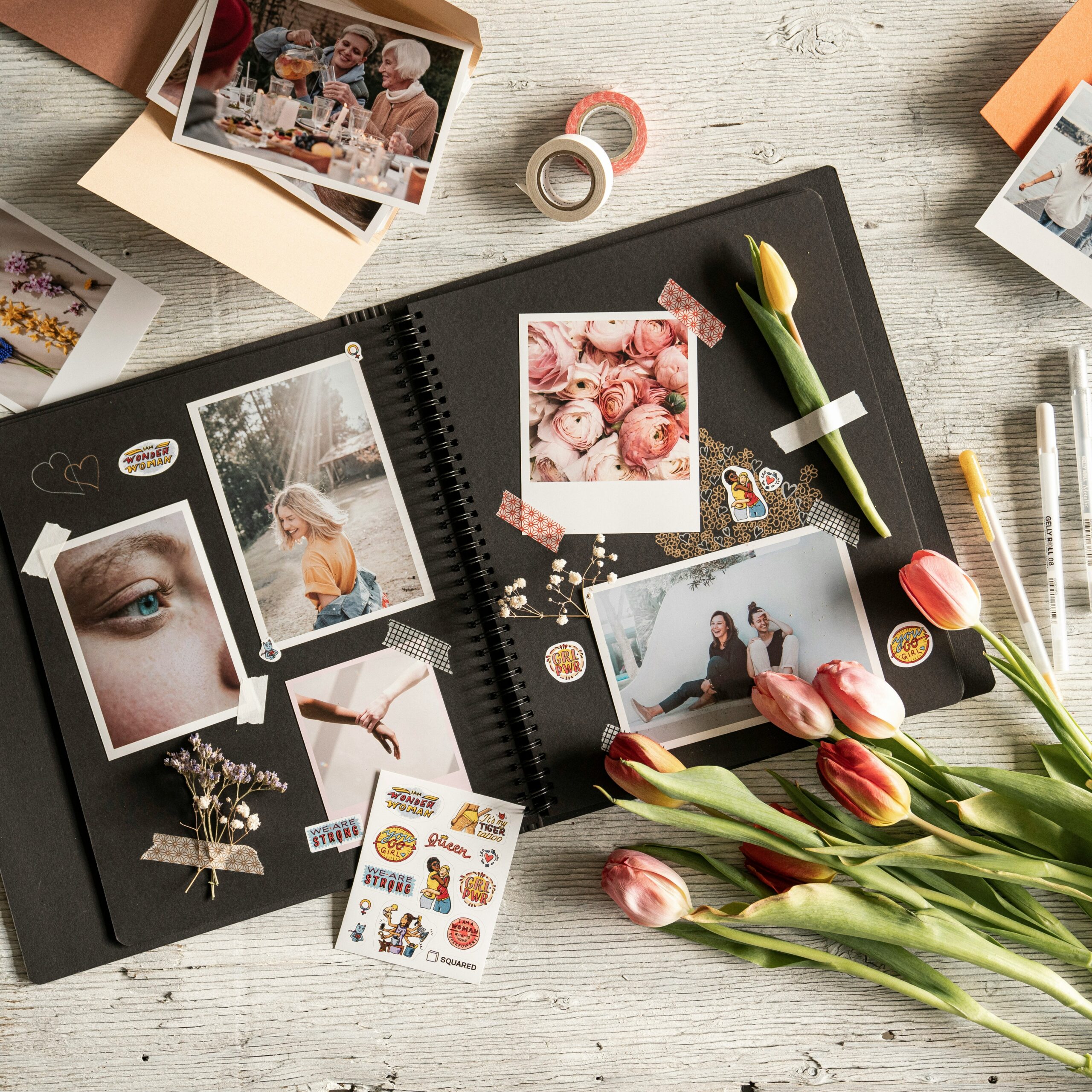
A scrapbook does something a phone gallery never quite manages. It turns a scattered collection of moments into a story a child can hold, flip through, and revisit years later without needing anyone to unlock a phone first.
Kids also engage with a physical page differently than they do a screen. A printed photo becomes something to point at, ask questions about, and remember on their own terms. That is part of why so many families keep coming back to scrapbooking even in a fully digital age, it gives photos a second life outside the device they were taken on.
The catch is that most families take hundreds of photos for every one that actually makes it into a book. Sorting through them is only half the job. The other half is making sure the ones that get chosen actually look good enough to print.
There is also a quieter reason scrapbooks matter more than they get credit for. A scrapbook forces a family to actually revisit a year of memories at once, rather than letting them scroll past unseen in a camera roll that never gets opened again. That act of sitting down and choosing which moments deserve a page is, in its own way, part of what makes the finished book meaningful.
What Makes Old Photos Hard to Turn Into a Scrapbook?
Photos taken in the moment rarely come out scrapbook ready. A child’s face is perfectly lit while the background is a cluttered kitchen counter. A group shot at a day out has one person squinting into the sun. A photo from a birthday party has fantastic energy and terrible lighting.
None of that is a reason to skip the photo entirely. It is usually the reason the photo never makes it past the camera roll in the first place. Fixing lighting, backgrounds, or small distractions by hand takes real editing skill and real time, two things most parents are short on by the time the kids are finally in bed.
This is where a lot of scrapbook projects quietly stall. A parent starts strong, picks out a folder of favorite photos, and then hits a wall the moment half of them need some kind of fix before they are worth printing. Traditional editing software can absolutely do the job, but the learning curve and the time investment are often exactly what a busy evening does not have room for. That stall is often permanent. The folder sits there, the scrapbook never gets finished, and the photos go right back to living only on a phone.
How Does an AI Image Editor Help With Scrapbook Photos?
An AI Image Editor changes what fixing a photo actually costs in time. Higgsfield works from a written prompt rather than a manual editing pass, so a background can be cleaned up, lighting can be adjusted, or a small distraction can be removed without opening a full photo editing program.
The original photo stays the point. Higgsfield is not built to replace the moment with something that never happened. It is built to tidy up a real photo enough that it earns its place on a scrapbook page instead of getting skipped over for looking a little rough around the edges.
For a parent working through a backlog of a year’s worth of days out, that speed matters more than it sounds. Higgsfield can work through several photos in the time it would take to properly retouch just one in a traditional program, which is often the actual difference between a scrapbook that gets finished and one that gets abandoned halfway through summer.
This matters most for the photos that would otherwise never make the cut:
- A great expression ruined by a distracting background
- A group photo where the lighting did not cooperate
- A candid shot that is emotionally perfect but visually messy
- An outdoor photo where shadows hide half of a child’s face
Each of those is a photo most parents would quietly skip. An AI Image Editor gives them a second chance to make the page, and Higgsfield in particular is built around exactly that kind of quick, targeted fix rather than a full photo overhaul.
What Kinds of Touches Work Best for Family Scrapbook Photos?
Not every photo needs the same treatment, and knowing where to spend the effort helps keep a scrapbook project from turning into an overwhelming one. This is exactly the kind of decision an AI Image Editor makes easier, since testing a fix costs a prompt rather than a redo.
A few edits tend to make the biggest difference for family photos specifically, and Higgsfield handles each of these through a simple written prompt rather than a manual tool:
- Cleaning up a busy background so a child’s expression stands out
- Brightening a photo taken in poor indoor lighting
- Removing a small distraction, like a stray object or a passing stranger
- Adjusting color so photos from different days feel consistent next to each other on the same page
| Editing Approach | Best For |
| Traditional photo editing software | Precise, detailed corrections when time allows |
| Manual cropping and filters | Quick, simple fixes with no background changes needed |
| An AI Image Editor | Fast background cleanup, lighting fixes, and small distractions removed by prompt |
None of these approaches are wrong. The right one just depends on how much time a parent has left in the evening once the photos are finally sorted.
Can This Work for Photos Already Years Old?
One of the more useful applications is not the newest photos at all, it is the backlog. Most families have a folder, or several, of old prints or scanned photos that never made it into anything. They were taken years ago, stored in a drawer or an old phone, and have started to fade, scratch, or yellow with age.
This is where an AI Image Editor is actually built to help, restoration is one of its core jobs, not an afterthought. Higgsfield can repair scratches and tears, recover faded color, and colorize old photos that were only ever taken in black and white. A blurry or low resolution scan can also be sharpened and upscaled without losing what made the photo worth keeping in the first place. This opens up an entirely different kind of scrapbook project, one built from the photos that have been sitting untouched and deteriorating for years rather than only the most recent trip.
For families who feel behind on photo organizing, and most families do, this matters. It means the goal is not to start a perfect scrapbook from this point forward. It means the years already behind a family, including the faded prints from before anyone owned a decent camera, are still fair game for a finished project, using an AI Image Editor to bring old, damaged photos up to a standard worth printing.
How Do You Keep a Scrapbook Feeling Personal, Not Overedited?
There is a real risk with any editing tool, an AI Image Editor included, of polishing a photo until it stops looking like the actual moment. A scrapbook is meant to hold real memories, not a highlight reel that barely resembles what happened.
A few habits help keep that balance, and they apply just as much to Higgsfield as they would to any other editing approach:
- Keep the editing focused on distractions, not the people in the photo
- Avoid changing expressions, poses, or anything that actually happened in the moment
- Save the original photo alongside the edited version, in case a future look back calls for the unedited memory
- Let kids weigh in on which photos matter enough to include, rather than only choosing the most polished ones
Higgsfield works best in this context when it is used to remove what gets in the way of a good photo, not to manufacture a moment that was not really there.
There is a simple test worth applying to any edit before it goes into the book: would the child in the photo recognize the moment as their own if they saw the edit later. If the answer is yes, the edit was probably reasonable. If the answer is no, it has likely gone further than a scrapbook photo needs to, regardless of whether Higgsfield or a traditional editor was used to make the change.
What Are Some Fun Scrapbook Project Ideas for Families?
A scrapbook does not need to be one big project finished in a single weekend. Breaking it into smaller themes makes it far more likely to actually get finished, and gives kids more chances to be involved along the way. Higgsfield fits into any of these smaller projects just as easily as one large one, since each photo is handled on its own rather than requiring a big batch setup.
A few ideas that work well for most families:
- A “days out” section built around trips to local trails, fairs, or events throughout the year
- A seasonal section that groups photos by summer, autumn, winter, and spring activities
- A “firsts” page for milestones like a first bike ride or a first day at a new school
- A collaborative page where each child picks their own favorite photo and helps decide how it is presented
For anyone building this kind of project for the first time, our own scrapbook guide walks through getting started from scratch, from picking a format to actually organizing years of backlogged photos into something usable.
Between that starting framework and Higgsfield handling the photo side of things, the two pieces cover most of what actually stalls a scrapbook project: knowing how to begin, and having photos that are actually ready to print once you do.
What Should You Watch For When Editing Family Photos?
Because these are photos of real children and real family moments, a bit of care goes a long way. None of this makes editing family photos a bad idea, it just means treating it thoughtfully.
Worth keeping in mind:
- Keep edits proportional to what the photo actually needs, not a full transformation
- Be mindful of how heavily edited childhood photos might read to that child years later
- Store original, unedited copies somewhere safe alongside the finished scrapbook
- Involve kids in the process where appropriate, since it is their childhood being documented
Higgsfield’s part in this process should stay in that supporting role. It is there to remove the obstacles between a good moment and a good photo, not to decide what the moment should have looked like in the first place. Keeping that boundary in mind is really the only rule that matters when a whole family is involved in choosing which memories make the final book.
An AI Image Editor used with that kind of care becomes a tool for finishing a memory properly, not replacing it with something else.
That distinction is worth repeating because it is easy to lose sight of once a project is moving quickly. Higgsfield can process a batch of photos fast enough that it becomes tempting to run every single image through the same heavy edit without thinking about whether that particular photo actually needed it. A quick pause before printing, checking whether each edit still feels honest to the moment, keeps the finished scrapbook feeling like a family’s real year rather than a heavily produced version of it.
What Should Families Take Away From This?
The gap between a phone full of photos and a finished family scrapbook has never really been about effort or love, most parents have plenty of both. It has been about the time it takes to get a rough photo looking good enough to print and hold.
Higgsfield closes a meaningful part of that gap, turning photos that would otherwise sit unused into ones that actually make it onto a page. The result is not a replacement for the memory. It is the same memory, finally looking the way it felt to be there.
For any family sitting on a backlog of days out, birthdays, and everyday moments that never quite made it into anything, that gap closing is worth more than it sounds. A finished scrapbook, even one built slowly over several months, ends up being something a child pulls off the shelf on their own years later. Getting the photos ready for that page is the part an AI Image Editor makes realistic on an actual weekday evening, rather than a project perpetually pushed to “someday.”