
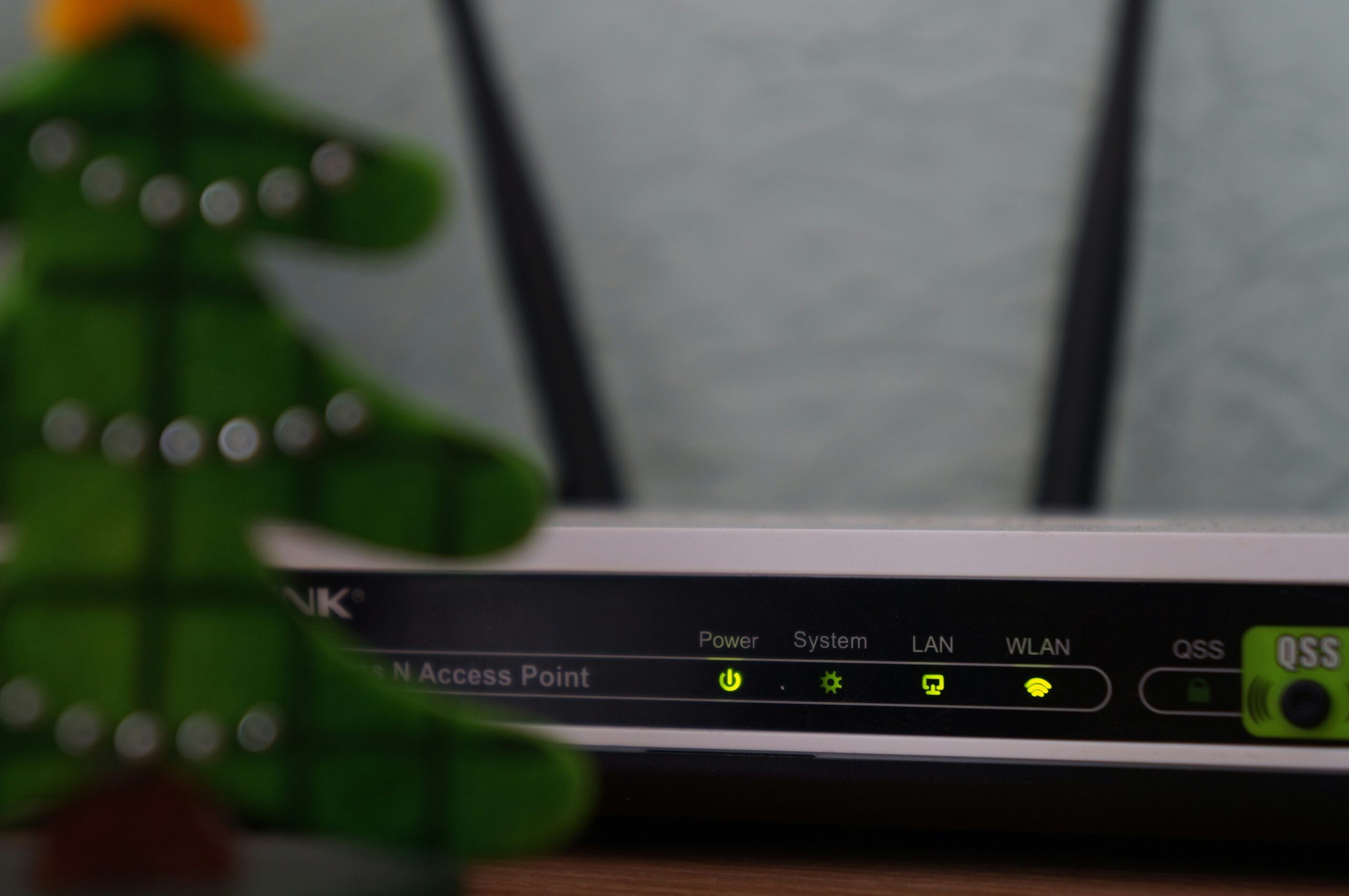
Look around your home for a second—how many devices are connected to the internet right now? A couple of smartphones, maybe a laptop or two, a smart TV streaming something in the background, security cameras running quietly, and possibly even smart speakers or appliances. What used to be a “one-device-at-a-time” setup has now turned into a constantly connected ecosystem.
The challenge? Most traditional internet connections weren’t designed to handle this kind of load efficiently. As more devices connect, speeds drop, buffering increases, and everything starts to feel slower than it should. That’s exactly where fiber internet steps in—not just as a faster option, but as a smarter solution built for modern, multi-device households.
Here’s why fiber makes such a noticeable difference when your home runs on multiple devices.
1. High Bandwidth That Supports Multiple Devices Simultaneously
The biggest advantage of fiber internet is its ability to handle high bandwidth demands without slowing down. Unlike traditional connections, which can struggle as more devices connect, fiber is built to support heavy usage across multiple devices at once.
This means:
- Multiple people can stream videos at the same time.
- Video calls, gaming, and browsing can happen simultaneously.
- Smart home devices stay connected without interruption.
Fiber networks are designed to carry large amounts of data efficiently, which allows several users to stay online without competing for speed. In practical terms, your internet doesn’t “divide” under pressure—it keeps performing consistently.
2. Consistent Speeds Even During Peak Usage
One common issue with standard internet connections is slowdown during peak hours. When many users in the same area are online, speeds can drop significantly.
Fiber avoids this problem to a large extent because it’s less affected by network congestion. It can maintain stable speeds even when multiple devices—or even multiple households—are using the internet at the same time.
For a busy home, that means:
- No buffering during family movie time.
- No lag during important work calls.
- No sudden drops in performance when everyone logs in.
This is where choosing the right connection becomes important. Options like Frontier fiber internet are designed to handle high-demand usage more consistently, helping households avoid the typical slowdowns that come with peak-hour traffic.
Consistency like this is what turns a “fast” connection into a reliable one. Instead of adjusting your usage around network performance, your connection adapts to how your home actually functions.
3. Low Latency Keeps Everything Running in Real Time
When multiple devices are active, latency becomes a bigger issue than most people realize. It’s the delay between sending a command and getting a response—and even small delays can add up when several devices are communicating at once.
Fiber internet offers low latency, ensuring faster response times and smoother performance. This is especially important for:
- Online gaming.
- Video conferencing.
- Smart home automation.
- Real-time collaboration tools.
With lower latency, devices don’t just stay connected—they respond instantly. That makes your entire network feel faster, even when usage is high.
4. Better Stability for Smart Homes and Connected Ecosystems
Modern homes aren’t just using devices—they’re running entire ecosystems. Smart TVs, voice assistants, thermostats, security systems—all of them rely on a stable connection.
Fiber internet offers higher reliability and resistance to interference, which means fewer disruptions overall.
This stability ensures:
- Smart devices stay connected without frequent resets.
- Automation routines run smoothly.
- Security systems remain active at all times.
For households managing multiple connected devices, this reliability becomes essential—not optional.
5. Symmetrical Speeds Improve Performance Across All Devices
One often-overlooked advantage of fiber is symmetrical speeds—equal upload and download performance. Why does that matter in a multi-device home?
Because you’re not just consuming content—you’re constantly sending data too:
- Uploading files to the cloud.
- Joining video calls.
- Sharing media across devices.
- Running smart home updates.
Fiber handles both directions equally well, ensuring smooth performance across all tasks. This balance becomes especially noticeable when several devices are active at once—everything feels smoother and more responsive.
6. Designed for Modern Households With Growing Demands
The number of connected devices in homes is only increasing. What feels like “a lot” today may be normal tomorrow. Fiber internet is built as a future-ready solution, capable of supporting increasing data demands without major performance drops.
For households managing multiple devices, this means:
- No need to constantly upgrade your connection.
- Better performance as your setup grows.
- Compatibility with new technologies and devices.
Instead of struggling to keep up, fiber ensures your network stays ahead.
Conclusion
Managing multiple devices at home isn’t unusual anymore—it’s the norm. But not every internet connection is built to handle that reality.
Fiber stands out because it addresses the core challenges of multi-device usage: bandwidth, consistency, latency, and reliability. It doesn’t just keep devices connected—it keeps them working together efficiently.
As homes continue to become more connected, having an internet solution that can handle that demand isn’t just helpful—it’s essential. And that’s exactly where fiber makes the biggest difference.