
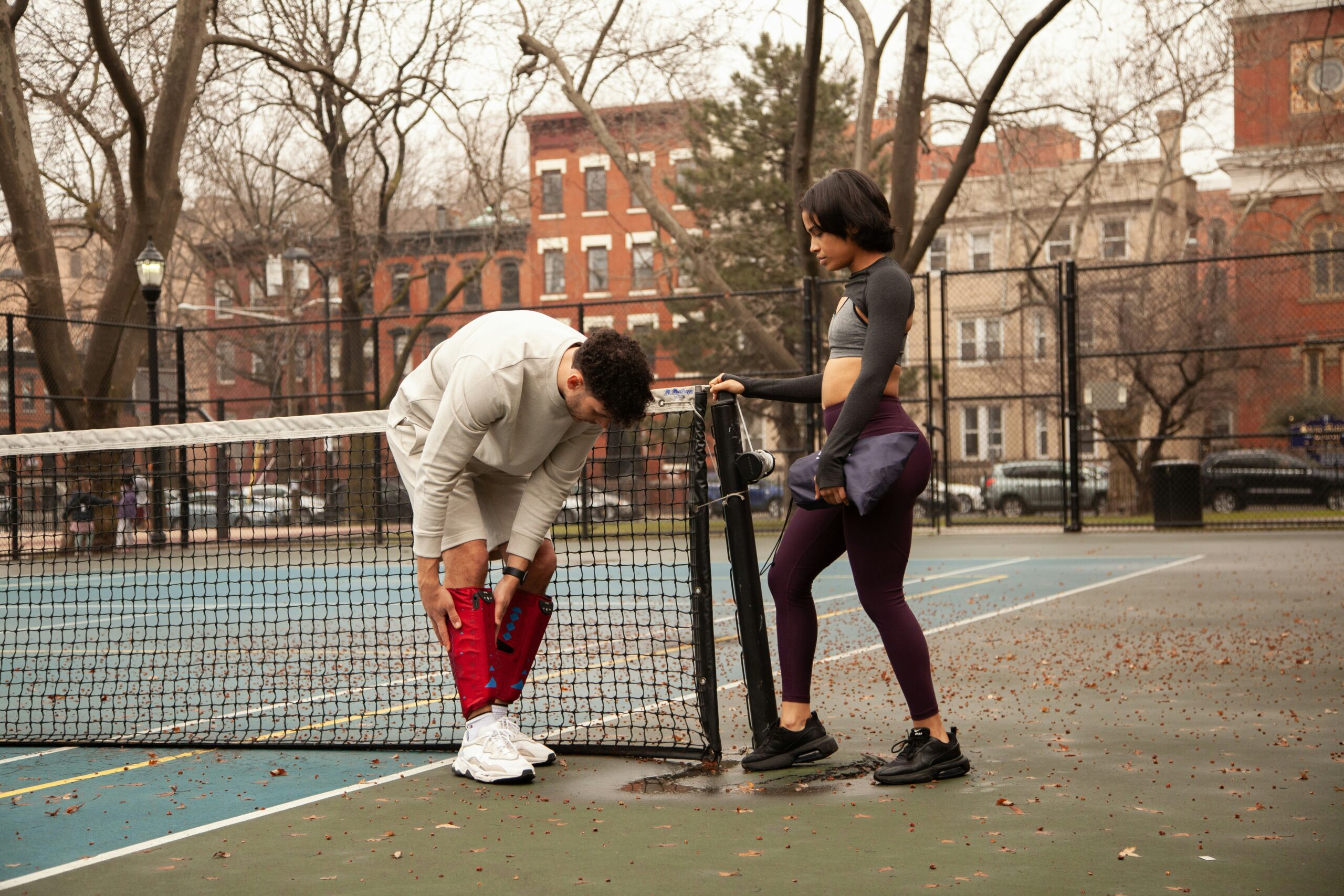
Imagine lacing up your shoes for a morning walk, only to feel that familiar twinge in your knee. It stops you in your tracks, turning simple joys into daily struggles. Many people face this, especially as life becomes busy.
Knee issues often stem from wear and tear on cartilage, the smooth tissue that cushions your joints. When it frays or tears, pain and stiffness set in, limiting how you move. The good news is modern approaches offer real hope for better function and freer movement.
This piece explores practical ways to tackle these challenges. From targeted treatments to supportive habits, you’ll find options that fit real lives. Let’s explore them with empathy and understanding for what you’re experiencing.
Understanding Cartilage Damage in Knees
Cartilage acts like a shock absorber in your knee, letting bones glide smoothly. Over time, injuries or age can wear it down, leading to rough surfaces and inflammation. It’s common in active people or those with a history of sports injuries.
Ways Cartilage Breaks Down
Everyday strains add up. A twist during a game or years of running on hard surfaces can tear the tissue. Suddenly, bending to pick up a grandchild feels more difficult.
Cartilage injury treatment focuses on healing that damage early. When evaluating joint damage alongside tissue damage, exploring specialized orthopaedic options for meniscus tears helps doctors guide patients from conservative rest to advanced repairs. It’s about restoring that natural cushion without rushing the process.
Repetitive motions, like squatting at work, speed up wear. Genetics also play a role, making some knees more prone. Recognizing these patterns helps catch issues before they worsen.
Impact on Daily Mobility
Pain flares with stairs or long periods of standing, stealing your independence. Stiffness in the morning makes starting the day a challenge. It’s frustrating when what you love feels out of reach.
Swelling builds up, locking the joint and slowing you down. Friends notice you fall behind on walks. This ripple affects mood, turning outings into something to avoid.
Yet, many regain their stride with the right steps. Small changes ease the burden, proving knees can bounce back.
Early Warning Signs
A pop or grinding sound during movement often signals trouble. Ignore it, and limping becomes routine. Listen to your body and ask for care.
Mild aches after activity hint at deeper wear. Swelling that lingers after exercise deserves a check. Spotting these signs early keeps treatment options open.
Cutting-Edge Repair Options
Advances in medicine bring precise ways to mend knee cartilage. These build on your body’s healing power, aiming for lasting mobility.
Regenerative Therapies
Platelet rich plasma injections use your own blood to spur repair. Concentrated growth factors flood the area, reducing inflammation and encouraging new tissue. Patients often feel relief in just a few weeks.
Stem cell treatments draw from bone marrow or fat, injecting cells that help regenerate cartilage. Studies show improved joint function, with many returning to light sports. It’s minimally invasive and done in an office setting.
These methods sidestep full surgery for some patients. They fit busy schedules, offering hope without long recovery periods.
Surgical Innovations
Microfracture creates tiny holes in bone to release healing cells. Over time, they form a scar like cartilage patch. It’s effective for smaller areas of damage, boosting mobility.
Autologous chondrocyte implantation grows your cells in a lab, then implants them. This replaces lost tissue more naturally. Active adults see strong results, kneeling easier months later.
Newer scaffolds guide cell growth, mimicking real cartilage. Combined with arthroscopy, they minimize scars and downtime. For localized joint damage, understanding robotic partial knee surgery helps patients explore how precise, minimally invasive technology can preserve healthy surrounding bone and tissue while tailoring repairs to your specific needs.
Supportive Non-Surgical Paths
Physical therapy strengthens muscles around the knee, taking pressure off cartilage. Custom exercises build stability, improving gait without medication.
Bracing or orthotics realign the joint, easing wear. Weight management also cuts stress, shedding pounds lightens the load dramatically.
Nutrition aids repair. Omega 3s from fish reduce swelling, while glucosamine supports tissue health. Simple swaps make a difference.
Lifestyle Changes for Lasting Knee Health
Building habits fortifies your knees long term. These pair well with medical fixes, creating a more complete recovery plan.
Strength and Flexibility Routines
Target quads and hamstrings with gentle squats. Hold for balance, feeling control return. Add yoga poses like warrior poses for flexibility.
Swimming keeps joints moving without impact. Low resistance bikes mimic pedaling freedom. Consistency turns weakness into strength.
Pool therapy warms water soothes, allowing you to stretch more deeply. Therapists guide safe progress, celebrating small wins.
Diet and Weight Control
Anti inflammatory foods like berries fight swelling. Turmeric adds warmth to meals, supporting joint ease. Hydration keeps cartilage plump.
Portion awareness prevents overload. Track progress with a journal and numbers help with motivation. Friends can join for accountability.
Pain Management Techniques
Ice after activity calms flares. Elevation at day’s end drains swelling. Heat loosens stiffness before moving.
Mindfulness apps guide breathing through discomfort. Acupuncture eases tension for some. Layer these for comfort.
Emerging Tech and Prevention
Wearables track steps and form, preventing overuse. Apps remind you to rest, catching patterns early. 3D printed implants customize fits perfectly. Gene therapies explore root fixes, still in trials but promising. Prevention starts young. Proper shoes and warm ups protect cartilage. Stay active smartly.
In wrapping up, knee function thrives with blended modern solutions, from cartilage repair to daily tweaks. You’ve got paths forward, tailored to your life. Speaking with a specialist can help you choose the right direction. Even one small step can lead to easier, more comfortable days.