
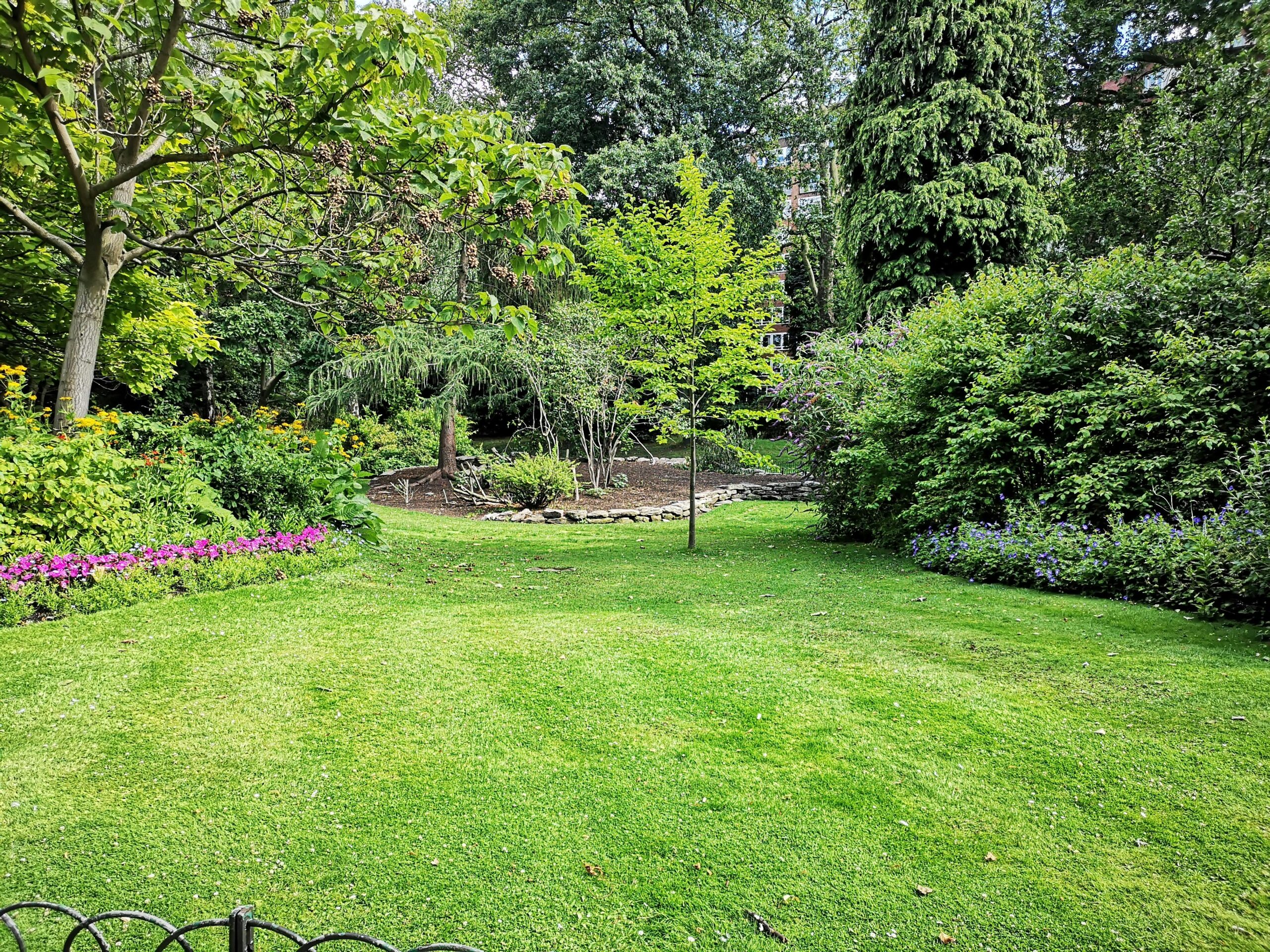
Transforming a tired backyard into a family-friendly outdoor space doesn’t have to feel overwhelming. With proper planning and a strategic approach, any garden can become a functional area that the whole family will enjoy. This guide breaks down the essential steps to help make the process smoother and more manageable.
Sourcing Quality Materials on a Family Budget
Before making any purchases, research suppliers thoroughly. While big box stores offer convenience, specialist builders merchants typically provide better quality building materials and more knowledgeable advice. Create a detailed list of everything needed and get quotes from at least three different suppliers. Prices vary significantly between merchants, and many offer discounts for bulk purchases. Remember to factor in delivery costs, which can add substantially to the budget when ordering heavy items like paving slabs, aggregates, or timber.
Consider material longevity when making decisions. Composite decking costs more initially than treated timber but requires virtually no maintenance over its lifespan. For families with young children, investing in durable, low-maintenance options often proves more economical long-term, even with higher upfront costs.
Planning Your Layout
Begin by measuring the entire space accurately and sketching multiple layout options. Think carefully about how the garden will actually be used. Consider whether there’s a need for designated play areas, outdoor dining space, storage for bikes and toys, or dedicated planting zones.
Mark out planned areas using rope or spray chalk before purchasing materials. This visualisation technique helps identify potential issues early. Hidden drains, uneven ground, or boundary complications are much easier to address at the planning stage than after materials have been delivered.
Pay attention to the sun’s direction throughout the day. A seating area that’s perfect at lunchtime might be completely shaded by evening. Similarly, children’s play zones in full afternoon sun can become uncomfortably hot. Take photos at different times to understand how light moves across the space.
Breaking the Project into Manageable Stages
Avoid trying to tackle everything at once. Split the project into distinct phases: groundwork and preparation, hard landscaping like patios or decking, and finally finishing touches such as planting and furniture. This phased approach makes the work less overwhelming and allows for adjustments between stages.
Build flexibility into the timeline. Weather delays, material delivery issues, and unexpected complications are common. Having buffer time built into the schedule prevents these inevitable hiccups from derailing the entire project or creating unnecessary stress.
Evaluate which tasks genuinely need professional help. Laying a simple patio is achievable for most competent DIYers, but anything involving drainage systems, electrical work, or significant structural changes warrants calling qualified tradespeople. The money saved through DIY isn’t worthwhile if the work needs rectifying later.
Making It Child-Friendly and Safe
If children will be around during the work, establish clear safety boundaries from day one. Keep power tools secured when not actively being used, mark work zones clearly with barrier tape, and never leave materials in walkways where they could cause trips or falls.
Choose materials with safety in mind. Rounded edging on paving, splinter-free decking, and soft bark or rubber chipping in play areas all reduce injury risks. Non-slip surfaces are essential for any areas that might get wet.
The finished space should balance aesthetics with practicality. Hard-wearing grass alternatives, easy-clean surfaces, and robust planting that can withstand the occasional football are all worth considering for family gardens.