
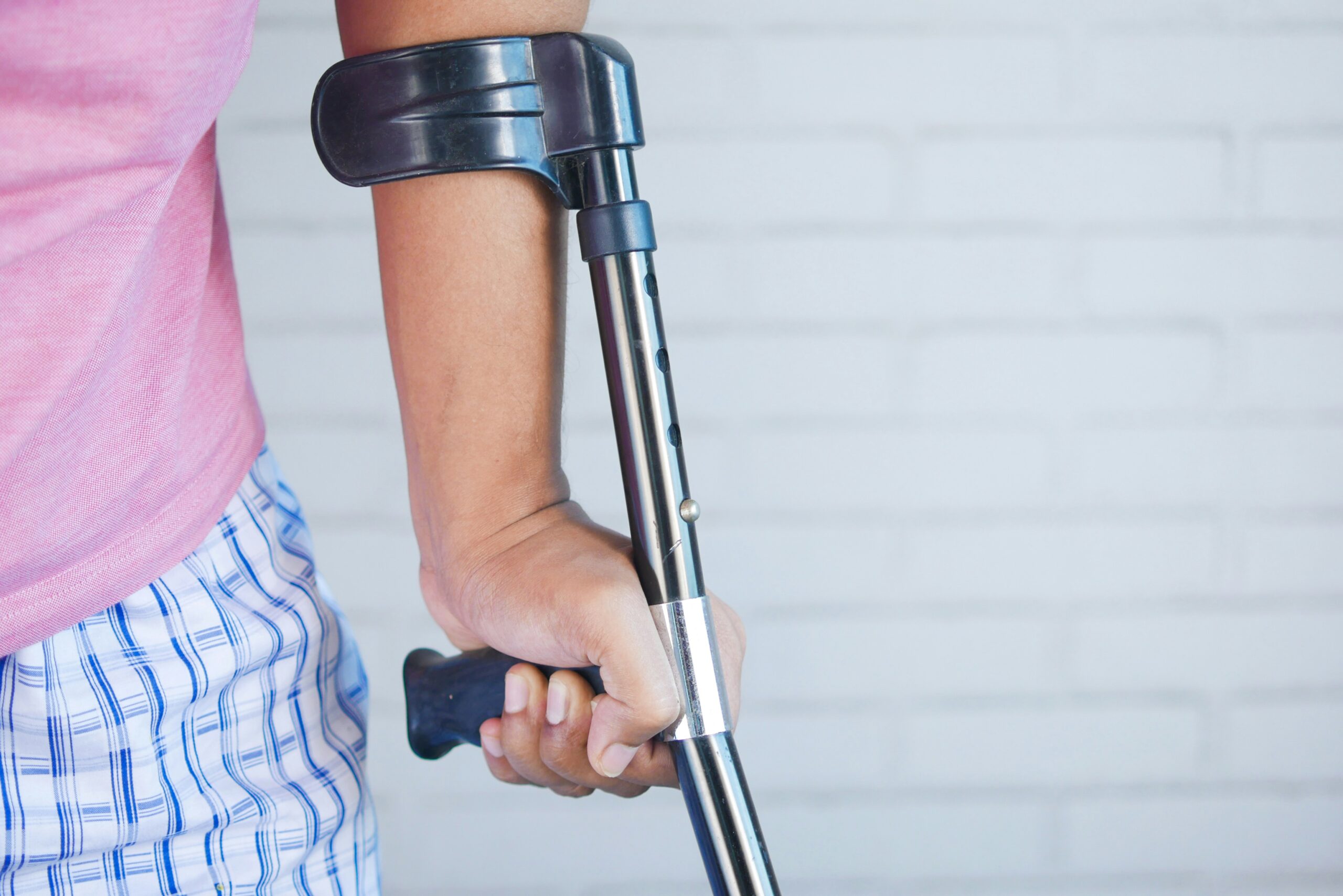
A serious accident can change a person’s life in seconds. Injured people may face surgery, hospital stays, physical therapy, lost income, and uncertainty about the future. Seekin personal injury legal representation can help accident victims understand their legal options while they focus on medical care and recovery. With reliable information and support, they can make informed decisions about their health, finances, and potential compensation.
How Serious Injuries Affect Daily Life
Not every injury heals within days or weeks. Broken bones, spinal cord injuries, serious burns, and traumatic brain injuries can require months of treatment. Some people experience lasting pain, reduced mobility, memory problems, or difficulty returning to familiar routines.
These challenges affect more than physical health. Someone who once managed household responsibilities independently may need help with cooking, transportation, childcare, or personal care. Family members may also take time away from work to provide support.
The financial impact can grow quickly. Emergency treatment, specialist appointments, medication, rehabilitation, and medical equipment can create expenses that continue long after an accident. When injuries prevent someone from working, lost wages make those costs harder to manage.
Understanding the full effect of an injury matters when considering a personal injury claim. The first medical bill may represent only a small part of the losses involved.
Why Medical Care Should Come First
After an accident, appropriate medical attention should be the first priority. Some injuries are not immediately obvious. Head trauma, internal injuries, and damage to muscles or nerves may cause symptoms hours or days later.
Patients should attend follow-up appointments, track symptoms, and ask questions when instructions are unclear. If pain worsens or new symptoms develop, they should contact a healthcare professional promptly.
For recovery information, MedlinePlus explains rehabilitation services, including physical therapy, occupational therapy, and support for cognitive difficulties. These services can help injured people regain abilities and improve independence.
Medical care should never be delayed to gather evidence for a claim. Health and safety come first, while legal questions can be addressed alongside recovery.
How Legal Representation Can Help
A serious injury can leave victims with difficult questions. Who may be responsible? Which expenses could be included in a claim? What happens if an injury prevents a return to work? Personal injury legal representation can help people understand these issues and consider possible next steps.
An attorney may review the accident, identify potentially responsible parties, explain legal requirements, and communicate with insurers. Depending on the case, legal work may include collecting evidence, consulting experts, reviewing medical records, and negotiating a settlement.
This support can be valuable when injuries are severe or the facts are disputed. Insurers may question whether treatment is necessary, whether the accident caused a condition, or how much compensation is appropriate.
Building Strong Evidence for an Injury Claim
Evidence helps explain what happened, how the injury occurred, and how the victim has been affected. Preserving information early can make a claim easier to evaluate.
Useful records may include:
- Medical reports, treatment plans, prescriptions, and rehabilitation records.
- Photographs of the accident scene, visible injuries, or damaged property.
- Witness contact details and copies of incident reports.
- Employment records showing missed work, reduced hours, or lost earnings.
- Receipts for medication, transportation, equipment, and other injury-related costs.
Keep documents organized and store copies securely. A simple daily record of pain, physical limitations, sleep problems, and missed activities can show how an injury affects ordinary life.
Understanding Compensation for Serious Injuries
Compensation depends on the facts, available evidence, and applicable law. When another party may be legally responsible, an injured person may be able to seek payment for losses caused by the accident.
Economic damages may include reasonable medical expenses, rehabilitation costs, lost income, and reduced future earning capacity. Depending on the case, they may also include in-home assistance, mobility equipment, or necessary changes to a home.
Non-economic damages may cover physical pain, emotional distress, loss of enjoyment of life, and limits on daily activities. The availability and calculation of these damages vary by jurisdiction and circumstances.
Serious injuries require careful consideration of future needs. Someone with a spinal injury may need treatment and assistance for years. Settling before the long-term effects are clear can cause problems if future expenses are overlooked.
Medical professionals and other qualified experts may help assess future needs. Legal counsel can explain how those findings may affect a claim and whether a proposed settlement deserves further review.
Managing Insurance Communications
Insurance discussions can be stressful when someone is dealing with pain, appointments, and financial pressure. An adjuster may request records, ask for a recorded statement, or offer a settlement before the full extent of an injury is known.
Read documents carefully and understand their terms before signing. Answer questions honestly, avoid guessing about medical outcomes, and keep copies of important correspondence.
Review settlement terms before accepting payment. Some agreements require an injured person to give up further claims related to the accident. Whether that is reasonable depends on the circumstances and expected recovery.
Personal injury legal representation can clarify settlement terms, explain potential risks, and handle appropriate insurer communications. This support can leave victims more time to concentrate on treatment without overlooking important legal issues.
Protecting Recovery and Planning Ahead
Recovery from a serious injury is rarely a straight path. Progress may be gradual, and setbacks can require changes to a treatment plan. Support from healthcare providers, family, and rehabilitation specialists can make daily challenges easier to manage.
Legal planning should account for practical needs. Keeping medical records updated, tracking expenses, and seeking advice before major settlement decisions can help protect a victim’s interests during recovery.
Deadlines matter, too. Personal injury claims have legal time limits that vary by jurisdiction, parties, and claim type. Waiting too long may affect the right to seek compensation, so obtaining legal guidance early can be helpful.
Making Informed Decisions After an Accident
Serious injuries can bring lasting medical, financial, and personal challenges. Understanding treatment options, preserving evidence, documenting expenses, and learning about legal rights can help victims make decisions with greater confidence.
Personal injury legal representation can provide guidance on responsibility, insurance negotiations, potential damages, and deadlines. Although no attorney can promise a particular outcome, informed advice can help injured people assess their options and avoid decisions made under pressure.
The priorities are proper medical care, a realistic recovery plan, and a clear understanding of available choices. With practical support and careful planning, accident victims can focus on rebuilding their lives while taking appropriate steps to protect their legal interests.