
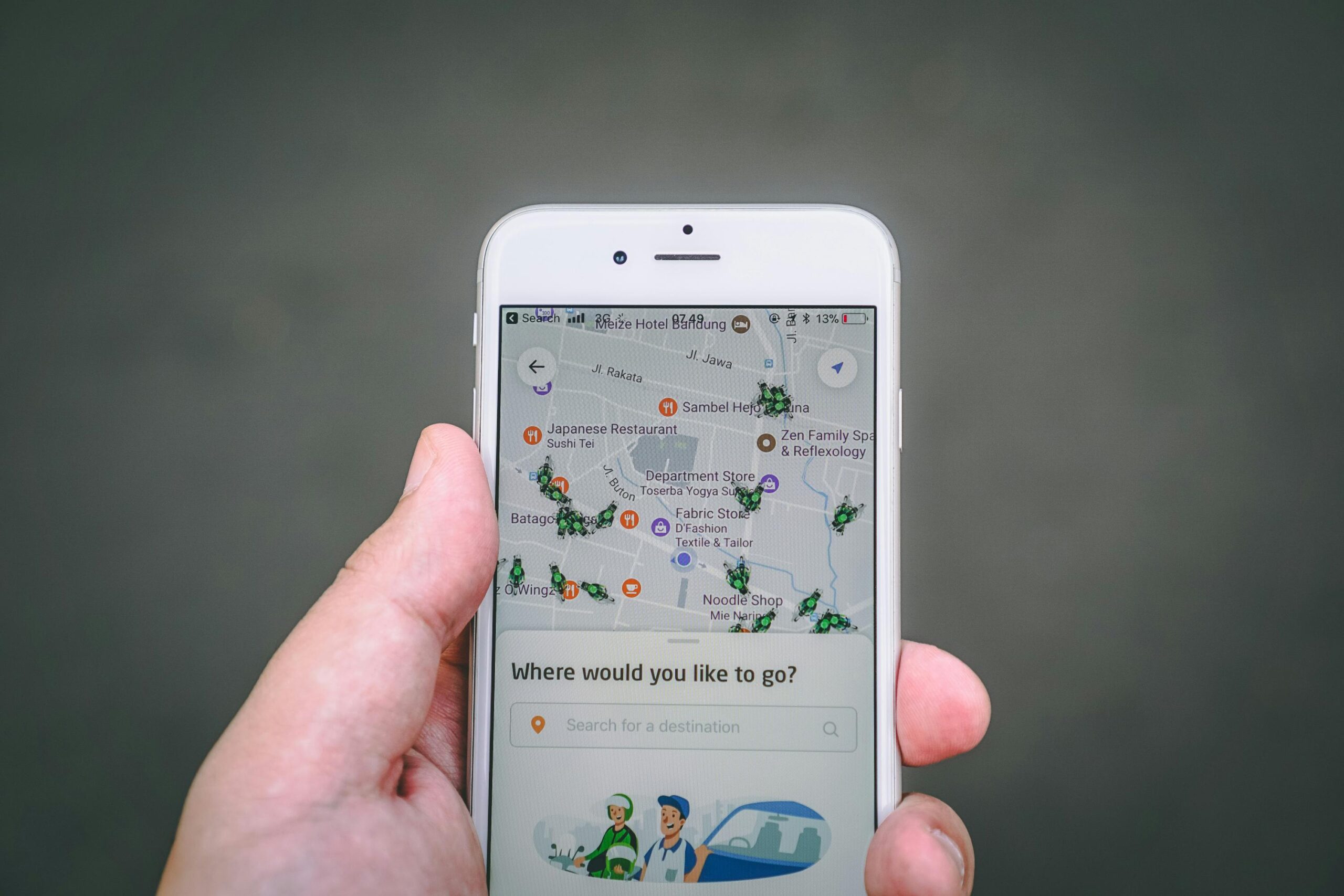
A collision involving a rideshare vehicle can raise difficult questions about who should pay for injuries, vehicle damage, and other losses. The answer often depends on the driver’s actions, whether a ride request had been accepted, and which insurance policies applied at the time. Understanding these details can help injured passengers, drivers, and other motorists evaluate their options for rideshare injury claims and avoid mistakes during the claims process.
Why Rideshare Driver Status Matters
Rideshare drivers use personal vehicles to provide paid transportation through digital platforms. This creates a situation where personal auto insurance and commercial insurance may both become relevant. Unlike an ordinary car accident, a rideshare collision can involve several parties, including the driver, the rideshare company, other motorists, and multiple insurance providers.
The driver’s status when the collision occurred is an important part of the investigation. A driver may be using the vehicle for personal travel, waiting for a ride request, heading to pick up a passenger, or transporting someone to a destination. Each situation can affect the available insurance coverage.
For this reason, investigators need more than the driver’s identity and insurance card. They may also need app records, trip details, witness statements, and information about the events leading to the crash.
The Three Main Stages of Rideshare Driving
1. The Driver Is Offline
When a driver is not logged into the rideshare app, the vehicle is generally being used for personal purposes. The driver’s personal auto insurance will usually be the starting point for a collision claim.
If the driver causes a crash while offline, the rideshare company’s commercial policy may not apply. However, other coverage could become relevant depending on the circumstances and the policy terms.
This distinction matters when an injured person assumes that a rideshare company must provide compensation simply because the at-fault driver also works for that platform.
2. The Driver Is Online and Waiting
A different situation arises when a driver has activated the app but has not accepted a ride request. The driver may be searching for passengers while traveling through busy streets or waiting in a parking area.
Some rideshare insurance arrangements provide limited liability coverage during this period. The amount and type of protection depend on the applicable law, insurance policy, and platform.
The National Association of Insurance Commissioners explains the different stages of ridesharing and their insurance implications in its commercial ride-sharing insurance overview.
3. The Driver Has Accepted a Ride
Once a driver accepts a request, the insurance arrangement may change. Coverage can differ again when the driver reaches the passenger and begins the trip.
Many rideshare insurance programs provide higher liability limits during an accepted trip or while transporting a passenger. However, coverage is not identical across all platforms or circumstances.
For example, a driver traveling to collect a passenger may be in a different coverage period from a driver who has completed the trip and switched off the app. Establishing the exact timeline can therefore be important when reviewing a claim.
Who May Be Responsible for a Rideshare Collision?
Insurance coverage and legal responsibility are related, but they are not the same thing. Insurance determines which policy may pay for covered losses. Liability concerns who was legally responsible for causing the collision.
A rideshare driver may be liable for a crash caused by speeding, distracted driving, unsafe lane changes, or failure to yield. If another motorist caused the collision, that driver’s insurance may be responsible instead.
In some cases, more than one party may share responsibility. For example, a rideshare driver and another motorist might both have contributed to a crash through separate driving errors. Applicable law determines how shared fault affects compensation.
The rideshare company may also become part of the dispute, but its involvement does not automatically establish legal responsibility. The facts, the company’s relationship with the driver, and applicable legal rules must be examined before drawing that conclusion.
How Insurance Coverage Affects Injury Claims
Rideshare collision claims can involve personal auto insurance, commercial liability coverage, and other benefits available under particular policies. The available coverage depends on the driver’s app status, the nature of the trip, the cause of the crash, and the terms of the relevant policies.
For example, a passenger injured during an active trip may have a claim against the responsible driver’s liability coverage. If another motorist caused the crash, that motorist’s insurance may also be involved. Additional coverage may apply in certain situations involving uninsured or underinsured drivers.
The official Uber insurance information explains how coverage can change according to driver status and trip activity. It also describes why insurance benefits and limits may vary.
People should avoid assuming that a rideshare policy will cover every loss. Medical expenses, lost income, vehicle repairs, and other damages are subject to the terms of the applicable coverage and the evidence supporting the claim.
Evidence That Can Establish Driver Status
Proving which insurance period applied may require records that are not available from a standard police report alone. The driver may have been using the app shortly before the collision, accepting a request, or completing a passenger trip.
Useful evidence can include:
- Rideshare app activity, trip receipts, and timestamps.
- Police reports, photographs, and witness statements.
- Vehicle damage records and relevant traffic camera footage.
- Insurance policies, claim correspondence, and driver statements.
Medical records can also help document injuries and connect treatment to the collision. Preserving evidence early is important because digital records may become harder to obtain as time passes.
An injured person should keep copies of available documents and avoid altering photographs, messages, or other records. If important app information is held by a rideshare company, a formal request or legal process may be necessary to obtain it.
Common Mistakes After a Rideshare Crash
One common mistake is assuming that the driver’s personal insurance must cover every loss. Another is believing that the rideshare company’s insurance automatically applies at its highest limits whenever the driver is logged in.
Both assumptions can create problems. Coverage may depend on whether the driver had accepted a trip, whether the vehicle was being used for an eligible activity, and which policy conditions apply.
Injured people should also be careful when giving recorded statements or accepting settlement offers before understanding their losses. Early offers may not account for ongoing treatment, future medical needs, or time away from work.
It is helpful to report the collision promptly, seek appropriate medical care, and keep a clear record of expenses and communications. A claim should be based on accurate facts rather than assumptions about which company will pay.
When Legal Guidance Can Help
Rideshare collision cases can involve overlapping insurance policies, disputed fault, and questions about the driver’s activity at the time of impact. Legal guidance can help identify potentially responsible parties, review available coverage, and determine what evidence may support a claim.
An attorney may also help organize medical records, document lost income, communicate with insurers, and evaluate whether a proposed settlement reflects the available evidence. The right approach depends on the injuries, the circumstances of the crash, and the applicable law.
Anyone considering legal action should be mindful of filing deadlines. These limits vary by jurisdiction and may depend on the type of claim and the parties involved. Waiting too long can affect the ability to recover compensation.
Frequently Asked Questions
Does rideshare insurance apply when the driver is waiting for a passenger?
It may. Some policies provide limited liability coverage while the driver is logged in and waiting for a request. The exact protection depends on the policy and applicable law.
Is a rideshare company automatically liable for a driver’s accident?
No. The driver’s connection to a rideshare platform does not automatically establish company liability. Responsibility depends on the facts and applicable legal rules.
What if another motorist caused the collision?
An injured passenger or rideshare driver may be able to pursue a claim against the other motorist’s insurance. Other available coverage may also be relevant, depending on the circumstances.
Why are app records important?
App records can help establish whether the driver was offline, waiting for a request, traveling to a pickup, or carrying a passenger. That timeline may determine which insurance policies apply.
Final Thoughts
Driver status is a key factor in determining insurance coverage and evaluating liability after a rideshare collision. Establishing whether the driver was offline, waiting for a request, or completing a trip can help clarify which policies may apply. By preserving evidence, documenting injuries, and reviewing the relevant insurance terms, injured people can make more informed decisions about their next steps. Each case requires an individual review of the facts, available coverage, and applicable law.