
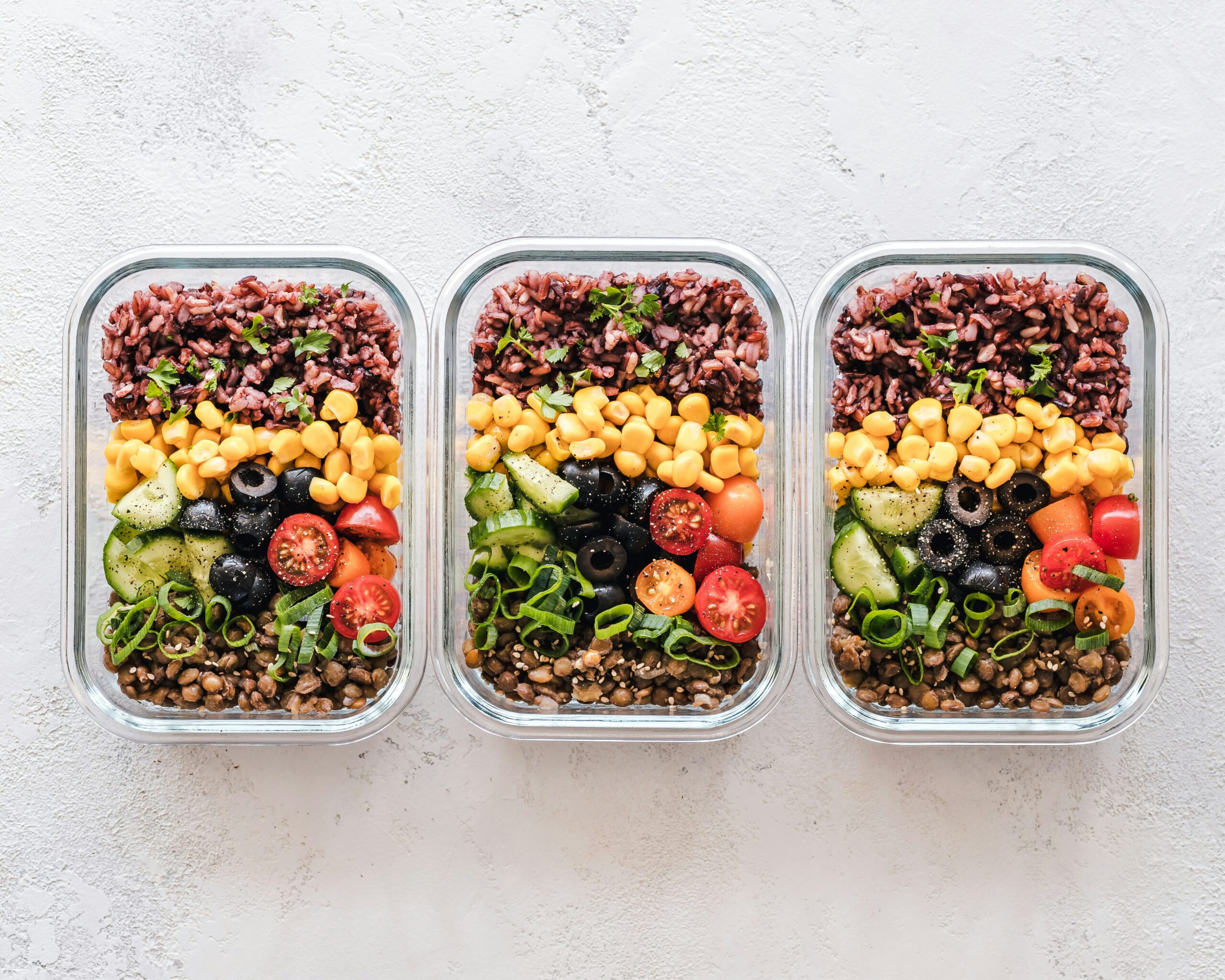
Busy weeks can turn dinner into a daily challenge. When work runs late and errands pile up, planning and cooking a proper meal often feels impossible. Convenience takes priority, even when the food is repetitive, unsatisfying, or costs more than expected.
Over time, rushed food choices can affect more than just dinner. They can increase weekly spending, reduce meal variety, and make it harder to keep a regular routine. What begins as an occasional takeaway can quickly become a regular habit that adds pressure to an already busy schedule.
Choosing halal tingkat meals gives busy households a practical way to enjoy regular meals without having to plan, shop, or cook every evening. With food delivered on schedule, dinner becomes one less thing to manage, making evenings calmer, simpler, and more organized.
Everyday Habits That Influence Meal Choices
Relying on Last-Minute Decisions
Many people wait until they are already hungry before deciding what to eat. At that point, convenience often becomes more important than preparing a proper meal. For example, after a long workday, it is easier to order fast food than to prepare a full meal from scratch. Over time, this habit makes healthy eating harder.
Overlooking Weekly Planning
Skipping basic meal planning at the start of the week can lead to making the same food decisions every day. Without a simple plan, each meal requires another decision, which adds unnecessary stress. Someone may open the fridge, see the available ingredients, and still not know what to cook. This often results in unused groceries or repeated dishes that lack variety.
Underestimating Time and Energy
People often assume they will have more time or energy later in the day than they actually do. A plan to cook an elaborate dinner may sound reasonable in the morning but feel unrealistic by evening. This difference between plans and reality often leads to inconsistent meal habits and frustration during busy weeks.
Strengthening the Body’s Natural Control
Body Awareness and Eating Patterns
Paying attention to hunger and energy levels can help people make better food choices. When people notice early signs of hunger, they are more likely to choose proper meals instead of quick snacks. For instance, having a ready meal scheduled at a consistent time can prevent the cycle of skipping meals and overeating later.
Consistency plays a key role here. Eating at regular intervals supports stable energy levels throughout the day. This does not require strict rules but a regular meal routine that fits everyday life. Over time, the body adapts to this pattern, making balanced eating easier to maintain.
Practical Adjustments for Daily Comfort
Preparing Meals in Advance
Setting aside a small window of time to prepare meals ahead can reduce daily pressure. This could mean cooking two or three dishes on a weekend and storing them for the week. For example, preparing simple dishes like grilled chicken, vegetables, and rice makes it easy to prepare a meal quickly without cooking from scratch every day.
This approach works well for those who prefer home cooked food but have limited time during weekdays. It also helps control portion sizes and keeps meals more balanced.
Using Structured Meal Services
For those with tighter schedules, structured meal services can offer a practical alternative. These services provide ready to eat meals delivered on a regular basis, removing the need for planning, shopping, and cooking. A working professional, for example, may rely on scheduled meal deliveries during busy weeks to make sure regular meals are always available.
Choosing a service that aligns with dietary preferences and cultural needs can make this option more sustainable. It allows individuals to focus on other responsibilities while enjoying balanced meals.
The Impact of Small, Consistent Changes
Small adjustments in how meals are planned and managed can lead to noticeable improvements in daily life. With fewer last minute decisions, people often experience less stress around mealtimes. Energy levels become more stable, and there is less reliance on fast food.
Over time, these habits create a more reliable routine. Meals become a normal part of the day instead of a daily concern. Whether through simple planning, advance preparation, or structured meal options, consistent effort helps create a system that works even during the busiest weeks.