
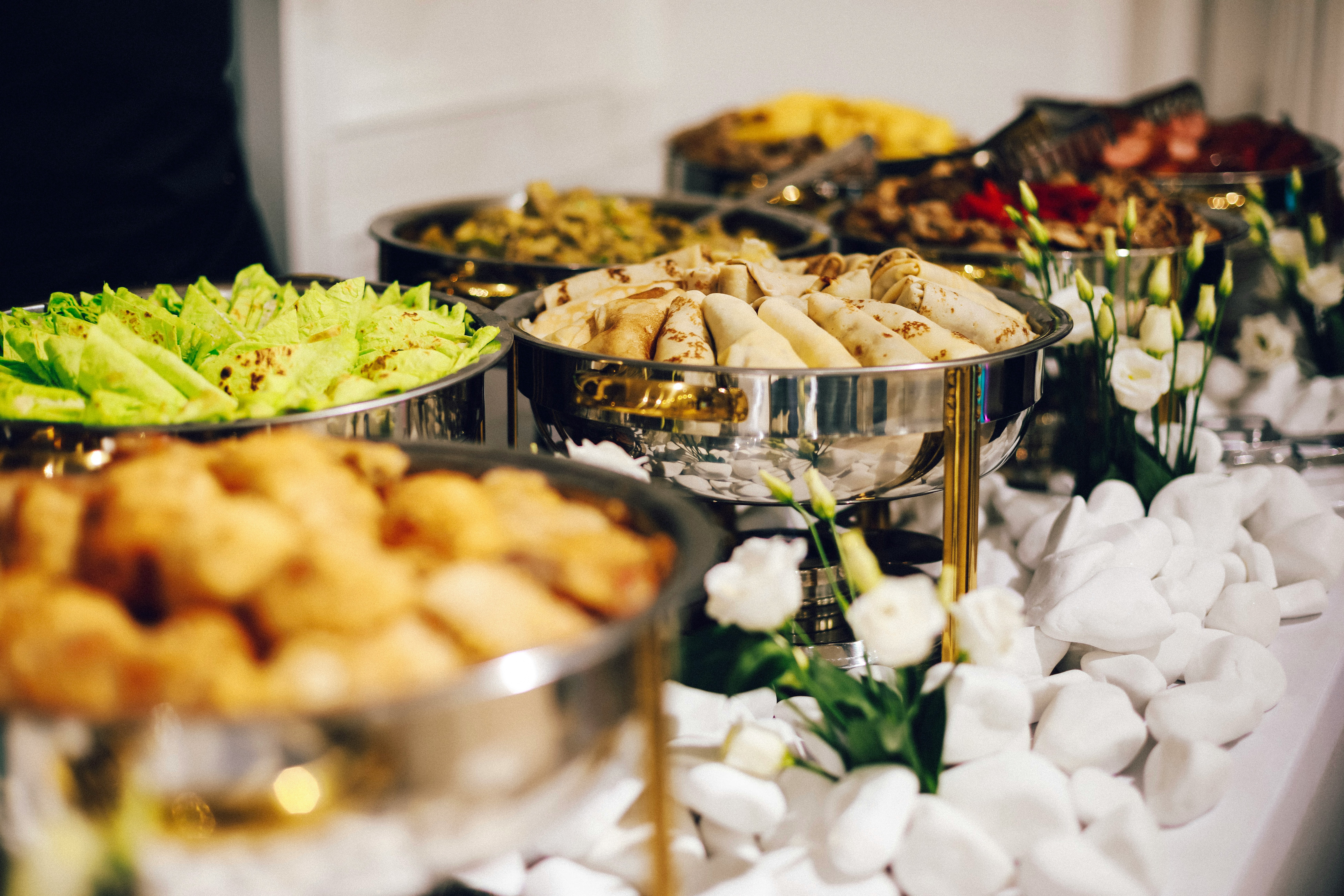
The buffet table often becomes the heart of a gathering. It is where guests meet, conversations begin, and the atmosphere starts to develop. A generous and inviting presentation can make people feel welcome from the moment they arrive.
Poorly timed service, limited food choices, or small portions can quickly create frustration. Instead of enjoying the event, guests may find themselves watching the clock or wondering if there will be enough food. This can affect the atmosphere and make people less likely to stay, mingle, and join the activities.
A thoughtfully arranged halal buffet gives guests the freedom to choose the food they enjoy while helping everyone feel included. With a good variety of dishes, smooth service, and meals that suit different preferences, hosts can create a welcoming experience from the first meal to the last conversation.
Everyday Habits That Influence Buffet Experience
Relying on Fixed Portions Limits Guest Choice
When meals are pre-plated, guests often receive the same portions regardless of their preferences or appetite. Someone who prefers lighter dishes may end up wasting food, while another guest may feel the portion is too small. This can leave guests less satisfied.
In contrast, buffet setups allow guests to decide what they want to eat and how much they want to take. A guest who enjoys variety can sample several options without feeling restricted, while others can stick to familiar choices. This flexibility creates a more relaxed dining experience.
Serving Schedules Can Interrupt Natural Flow
Events that follow strict meal schedules can unintentionally disrupt conversations and activities. Guests may need to pause discussions or leave ongoing interactions just to catch the serving time. This can break the natural rhythm of the event.
Buffets remove that pressure by allowing guests to eat when they are ready. Someone engaged in a conversation can continue without interruption, while others can head to the food station at their convenience. This helps the event flow more smoothly.
Overlooking Dietary Needs Affects Inclusivity
Not all guests have the same dietary requirements, and overlooking this can lead to discomfort. Some may quietly avoid certain dishes or skip eating altogether if they are unsure about the ingredients or preparation.
A thoughtfully planned buffet makes it easier to offer suitable choices for different dietary needs. Clear labeling and diverse options help guests feel considered and respected. This creates a more welcoming environment where everyone can participate without hesitation.
Strengthening the Body’s Natural Control
Body Awareness and Eating Comfort
The way food is served can affect how comfortably guests eat. When meals are rushed or portions are fixed, people may eat quickly without paying attention to their hunger or fullness. This can lead to discomfort, especially during longer events.
A buffet lets guests eat at their own pace. For example, someone can start with a small portion, return for more if needed, and pause between servings. This encourages more mindful eating and helps guests stay comfortable throughout the event.
Keeping food available throughout the event also helps guests feel more relaxed. When guests know they can return for more, they feel less pressure to overfill their plates. This small shift helps create a more balanced and enjoyable dining experience.
Practical Adjustments for Daily Comfort
Designing a Layout That Encourages Easy Movement
The physical setup of a buffet can greatly affect how guests interact with the space. A crowded or confusing layout can lead to long lines and unnecessary waiting. This may discourage guests from returning for additional servings.
A well-organized layout with clear sections allows guests to move smoothly from one station to another. For example, separating appetizers, main dishes, and desserts into distinct areas helps reduce congestion. Placing popular dishes where they are easy to reach also improves the flow.
Balancing Variety With Familiar Options
Offering too many unfamiliar dishes can make guests hesitant, while a limited selection may feel repetitive. A balanced menu gives guests enough choice without making difficult decisions.
Including a mix of well-known favorites alongside a few unique dishes allows guests to explore without feeling overwhelmed. For instance, pairing classic rice or noodle dishes with a specialty dish gives guests more variety without making the menu overwhelming.
The Impact of Small, Consistent Changes
Small adjustments in how food is presented and served can greatly improve the event experience. When guests can choose what they eat, move at their own pace, and feel included in the dining setup, they are more likely to stay engaged and comfortable.
These improvements often lead to fewer interruptions during conversations and smoother transitions between activities. Guests spend less time worrying about logistics and more time enjoying the event itself. Over time, these details help create an event that guests remember.
A buffet becomes the highlight of an event not because of abundance alone, but because it supports ease, choice, and inclusivity. When planned carefully, it brings people together and creates lasting memories.