
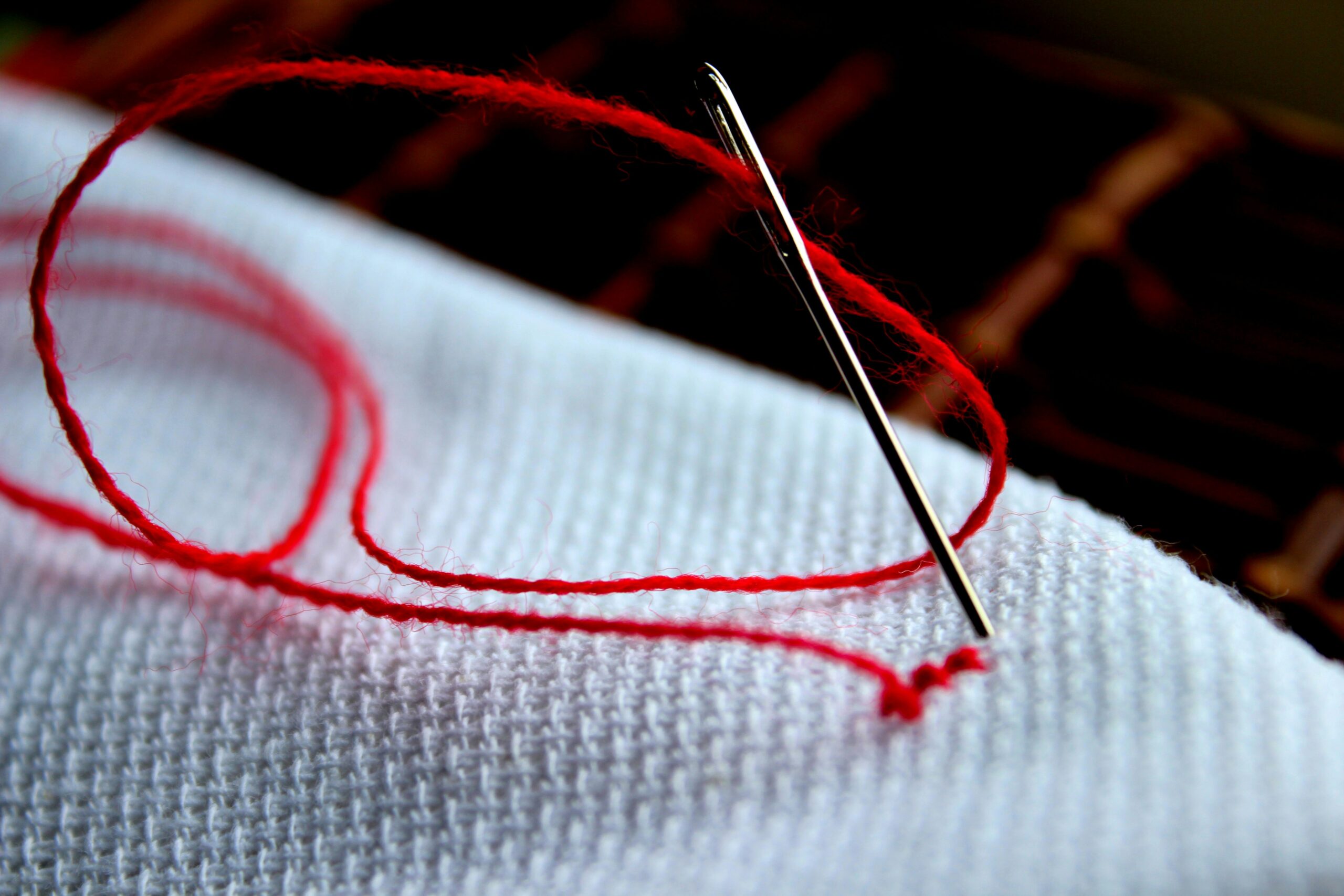
Punch needle combines embroidery, texture, and painting into one satisfying craft. You thread a hollow needle with yarn, punch it through stretched fabric, and pull up to create loops that form raised, tactile designs. Unlike cross-stitch or regular embroidery, punch needle is fast. A small hoop can be finished in a single afternoon. That instant gratification makes it especially popular with children who want to see results quickly.
Finding activities that hold everyone’s attention, from a restless six-year-old to a bored teenager to parents who need a break from screens, is no small feat. Punch needle offers something rare: a quiet, hands-on craft that works for multiple ages at once. It’s trending for good reason, and choosing the right starter equipment makes all the difference between a frustrating first attempt and a new family obsession.
Why Punch Needle is Taking Off
Punch needle isn’t new. It dates back to the 1800s, when it was known as “punch embroidery” or “Russian needlework.” But it’s enjoying a major revival. Michaels 2026 Creativity Trend Report found that needlepoint searches increased 251 percent year over year, while analog hobby searches more broadly surged 136 percent over six months. Guided craft kit sales grew 86 percent year over year, according to the same report.
The craft has found a massive audience on social media, too. The TikTok hashtag #punchneedle has nearly 1 billion views, and Instagram hosts more than 884,000 posts tagged with punch needle content. This visibility has introduced a new generation to the craft, many of whom are parents seeking screen-free ways to entertain their children.
Mintel’s US Arts and Crafts Consumer Report 2025 confirms that 71 percent of American adults identify as crafters, with the US arts and crafts market valued at $17.8 billion. Globally, the arts and crafts market is estimated at $44.6 billion and projected to reach $106.6 billion by 2034. People are actively seeking out creative hobbies that don’t involve devices.
If you want to join in, starting with one of the best punch needle kits removes the guesswork. A good kit matches the needle, fabric, and yarn together so you don’t end up with the wrong combination of parts. Punchora’s collection is curated specifically for beginners and families, which makes it a solid place to start. The Michaels report is available in full through their press room if you want to dig into the data.
What to Look for in a Beginner Punch Needle Kit
Not all punch needle kits are the same. A beginner-friendly kit needs three matched components that work together, and getting this balance wrong is the most common reason people give up after one try.
- The needle: Most beginner kits come with an adjustable needle that lets you change the loop height. Fixed needles are cheaper but limit you to one loop length. For families, an adjustable needle is worth the small premium because kids can experiment with different textures from the same kit. Look for a needle with a comfortable grip and a smooth eye that won’t snag the yarn.
- The fabric: Monk’s cloth is the standard for punch needle. It has a loose, even weave that the needle passes through cleanly without damaging the fibers. Avoid kits that include cheaper alternatives like burlap or linen; they fray too easily and frustrate beginners. The fabric should already be stretched in a frame or hoop when the kit arrives.
- The yarn: Worsted-weight yarn is the sweet spot for beginners. It’s thick enough to create satisfying loops but thin enough to thread easily. Some kits include acrylic yarn, while others use wool or wool blends. Acrylic is fine for practice projects and easier to clean, which matters when children are involved. The acrylic yarn on Hygloss is acclaimed for its availability in a wide range of colors, from neon to pastel, classic, and assorted shades.
If you’re looking for more ideas to keep your family busy without screens, Jupiter’s guide to creative family activities for the holidays has plenty of inspiration beyond punch needle, too.
Why Punch Needle Makes a Great Family Gift
A punch needle kit makes a great gift for a wide age range, from around age eight through to adults. The craft requires no prior experience, and the materials are self-contained, so there’s nothing else to buy. That makes it an unusually practical present for families tired of toys that get played with once and then forgotten.
There’s research to back up the benefits, too. A 2025 study by Kumari et al. in the International Journal of Innovative Science and Research Technology found that structured craft activities improved fine motor scores from 61.20 to 65.40 (p=0.001). That might sound technical, but in practice, it means that children who regularly do crafts like punch needle develop better hand control, patience, and focus.
The social aspect matters just as much. Punch needle is quiet enough to do together at the kitchen table while talking, but absorbing enough that everyone can work on their own piece without interruption. Finished hoops become keepsakes or handmade gifts for grandparents and teachers, the kind of present that actually gets displayed rather than shoved in a drawer.
The BBC’s Get Creative campaign highlights the broader value of needlework in a piece on their Arts program page, with tips from the Crafts Council and other UK organizations. It’s a good reminder that this isn’t just a passing trend. Needlecrafts have been bringing people together for generations.
For more gift ideas that encourage creativity, Jupiter’s roundup of the best stocking stuffers for kids features other small, hands-on presents that children actually use.
Getting Started with Your First Project
Once you have a kit, the best advice is to start small. A coaster or a small hoop, 10 to 15 centimeters across, is enough for a first project that can be finished in one sitting. Finishing something on the first try builds confidence and momentum. Starting with a large cushion or tote bag almost always ends in frustration.
Set up your workspace with good light and a comfortable chair. Punch needle takes longer than you expect when you’re learning, and hunching over a dark corner will make your neck ache before the project is half done. Keep a pair of scissors and a tapestry needle nearby for weaving in loose ends.
The basic technique is simple: hold the needle like a pen, push it through the fabric until the handle touches the surface, then pull it back out. Each punch creates one loop. The loops face the top of the fabric, and the flat stitches appear on the back. Most quality kits include step-by-step instructions or a QR code linking to a video tutorial.
LoveCrafts has a detailed punch needle embroidery guide for beginners that covers threading, adjusting loop length, and troubleshooting common problems like skipped stitches. Keep it open on a tablet next to your workspace while you practice.
Don’t worry about making mistakes. Punch needle is forgiving. You can pull out loops and re-punch them without damaging the fabric. The first few rows might look uneven, but the texture of the loops hides small imperfections. By the time you finish the piece, those early wobbles will be part of its charm.
Ready to Give Punch Needle a Try?
Punch needle works for all ages, all skill levels, and any budget. It’s one of those rare crafts where the first attempt actually looks good enough to hang on the wall, which is exactly what keeps people coming back. The supplies are minimal, the learning curve is short, and the result is something tangible you made with your own hands.
Whether you’re looking for a weekend activity to do with your kids, a gift that keeps giving, or simply a quiet hobby that doesn’t involve a screen, punch needle delivers. The best family crafts are the ones that create memories as well as finished pieces, and this one does both. Pick up a kit, clear the kitchen table, and see what your family makes together.