
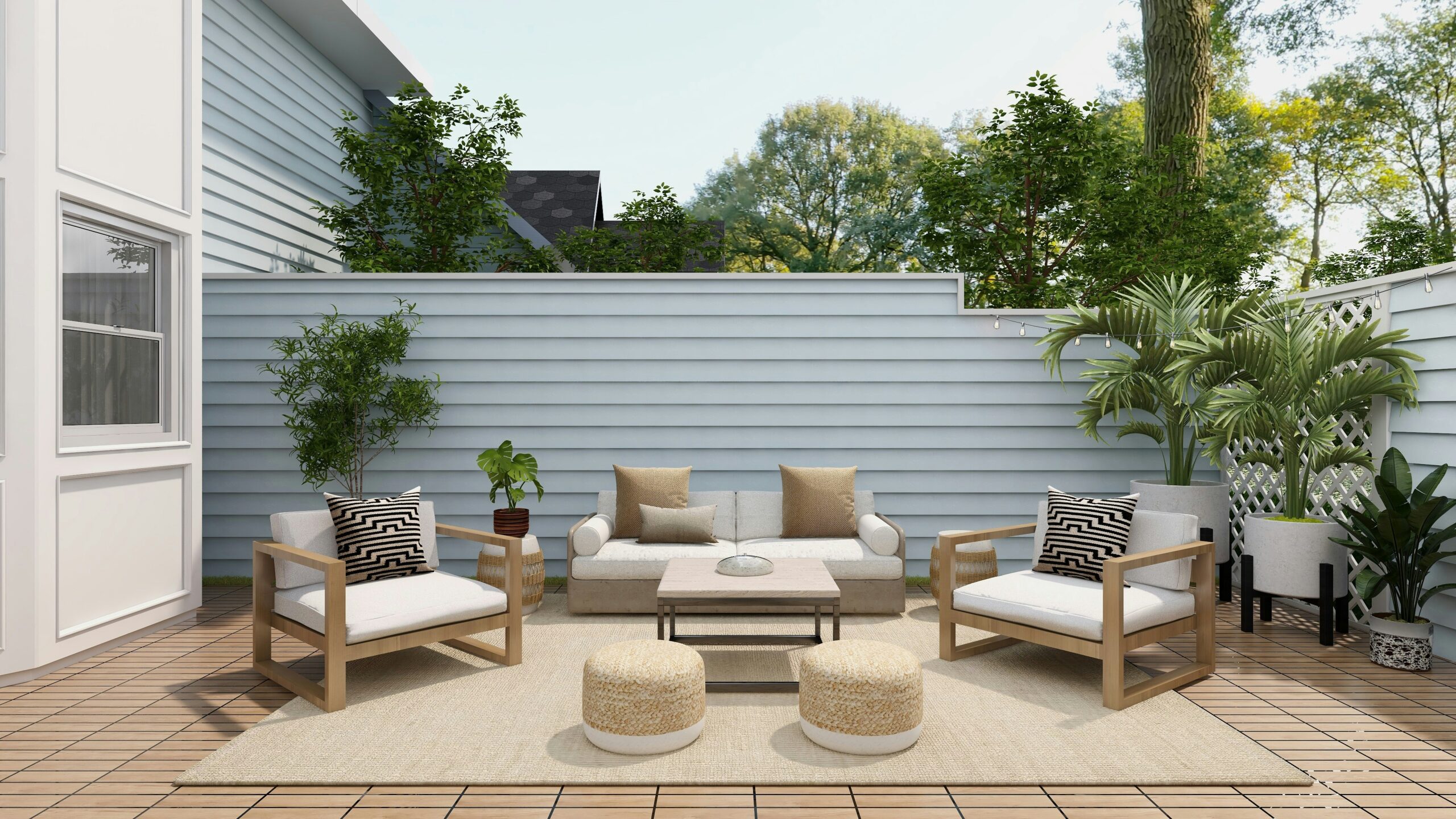
Every fall, the same debate plays out in backyards across the country: is it enough to throw covers over your outdoor furniture, or should you haul everything into storage? The answer matters more than most homeowners realize. The difference between covering and storing can add — or subtract — years from your furniture’s lifespan, and the right choice depends on your climate, your furniture materials, and how much effort you’re willing to invest.
Let’s break down what actually protects patio furniture, and when each approach makes sense.
What Damages Patio Furniture in the First Place?
Before choosing a protection strategy, it helps to understand the enemy. Outdoor furniture faces four main threats:
UV exposure. Sunlight fades cushion fabric, dries out wood, and makes plastic brittle over time. UV damage is cumulative and happens year-round, not just in summer.
Moisture. Rain, snow, and humidity cause rust on metal frames, mildew on cushions, and rot in natural wood. Trapped moisture is often worse than direct rain because it never fully dries.
Temperature swings. Freeze-thaw cycles crack wicker, warp wood, and stress the joints of any furniture left outside. Water that seeps into small crevices expands when it freezes, widening cracks each season.
Wind and debris. Storms can topple lightweight pieces, and blowing grit acts like sandpaper on finishes.
Covers address some of these threats. Storage addresses nearly all of them. That’s the core of the decision.
When Covering Is Enough
Quality covers are a legitimate solution in the right conditions. If you live in a mild climate without hard freezes, breathable, water-resistant covers can carry your furniture through the off-season in good shape. Covering also makes sense for large pieces that are impractical to move — sectionals, dining sets, and heavy aluminum frames.
To get real protection from covers, a few rules apply:
- Choose breathable materials. Cheap plastic tarps trap condensation underneath, creating the exact moisture problem you’re trying to avoid. Look for vented covers made from woven polyester or similar fabrics.
- Secure them properly. A cover that flaps in the wind abrades the furniture beneath it. Use straps, buckles, or weighted hems.
- Clean furniture first. Covering dirty furniture seals in grime, sap, and organic debris that feed mildew all winter.
- Check periodically. Lift covers after major storms to confirm nothing is pooling or growing underneath.
The limitation is simple: covers can’t stop temperature extremes, and they struggle in heavy snow loads or prolonged wet seasons. A cover in Minnesota is not doing the same job as a cover in San Diego.
When Storage Is the Better Answer
If your winters bring freezing temperatures, heavy precipitation, or months of continuous moisture, storage wins — and it isn’t close. Moving furniture into a protected space eliminates UV exposure, blocks moisture entirely, and shields pieces from freeze-thaw damage.
Cushions and fabric items should always be stored, regardless of climate. No cover fully protects textiles from humidity, and mildewed cushions are usually the first thing that forces a furniture replacement. A dedicated deck box or storage bench keeps cushions dry and ready for spring.
For frames and smaller pieces, the challenge is usually space. Garages fill up fast, and not everyone has a basement. This is where purpose-built outdoor storage earns its keep — Keter’s vertical storage sheds offer a weather-resistant footprint small enough for a patio corner while holding folding chairs, side tables, cushions, and umbrella stands. Because they’re designed for outdoor placement, you get storage-level protection without sacrificing garage space or dragging furniture across the yard.
Wood furniture especially benefits from storage. Teak, acacia, and eucalyptus handle weather better than most materials, but repeated wet-dry and freeze-thaw cycles still open grain, loosen joinery, and gray the finish faster than necessary.
The Hybrid Approach Most Homeowners Should Use
In practice, the best strategy is rarely all-or-nothing. Here’s a framework that works for most households:
- Store all cushions, pillows, and umbrellas — every season, every climate.
- Store lightweight and foldable pieces in a deck box, shed, or garage.
- Cover large frames with breathable, secured covers after a thorough cleaning.
- Elevate what stays outside. Keeping legs off wet ground with pads or pavers prevents wicking and rust at contact points.
This hybrid approach protects the most vulnerable components completely while making the immovable pieces as resilient as possible.
Covering and storing aren’t competing philosophies — they’re tools for different jobs. Fabric and cushions always get stored. Large frames get covered well or stored when climate demands it. Do both consistently, and this beautiful backyard patio furniture you invested in will still look showroom-fresh five, even ten seasons from now — while neglected sets at the neighbor’s house head to the curb after two.
A weekend of prep each fall is the cheapest furniture insurance you can buy.