
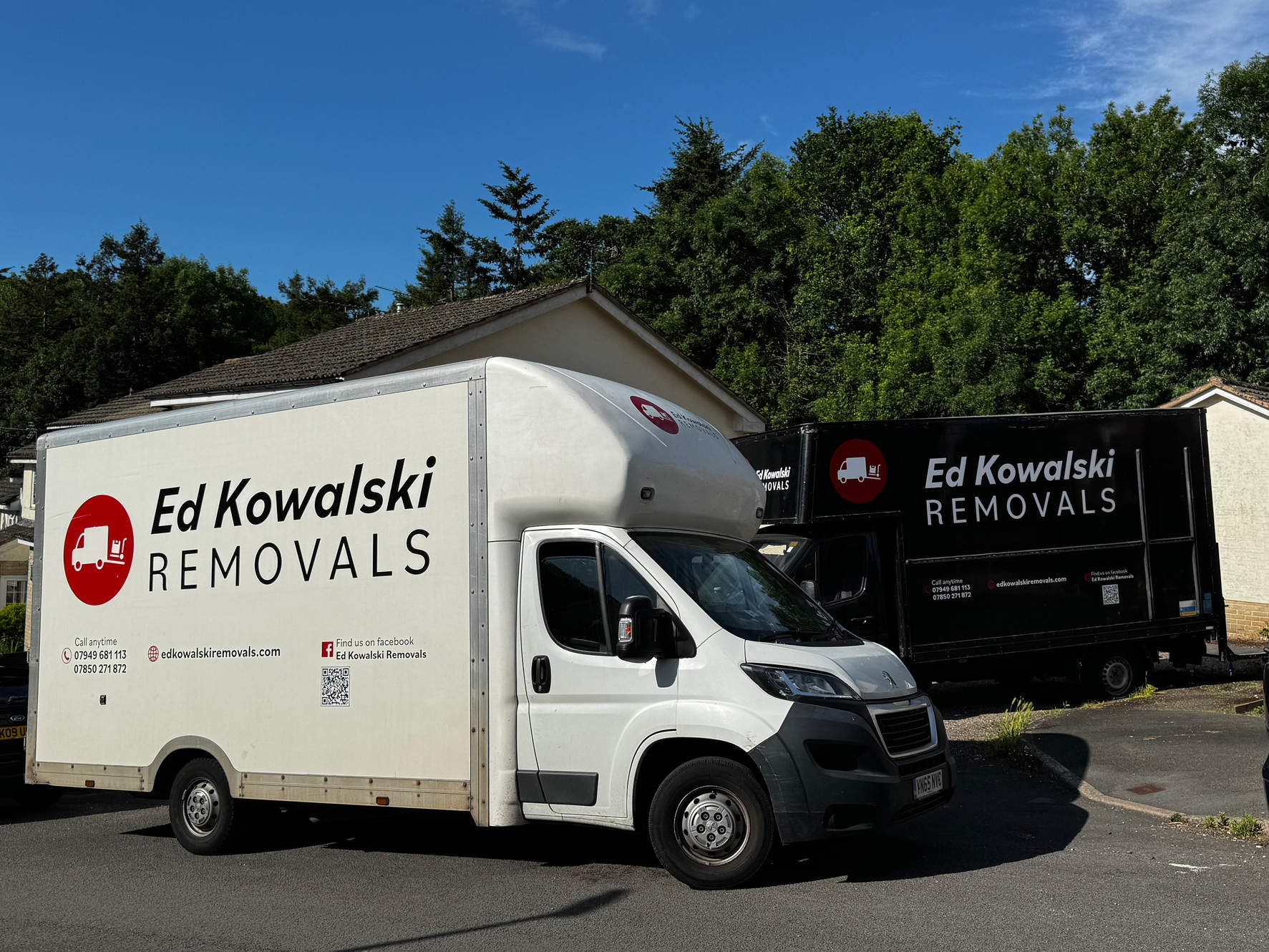
Moving house has a way of making even organised people feel slightly out of control. At first, the plan looks simple. Pack your belongings, book transport, collect the keys and start fresh somewhere new. Then the details begin to multiply. Cupboards take longer than expected. Furniture suddenly looks heavier than it did yesterday. Parking outside the property becomes a problem. By the time moving day arrives, it is clear that a good move is not built on hope. It is built on preparation.
Whether you are moving across town, relocating to another part of Devon or planning a longer-distance move in the UK, the same rule applies: the earlier you take control of the process, the smoother everything feels later.
Start With What You Do Not Want to Move
One of the best moving tips is also the simplest: do not pack everything.
Before you buy boxes or book a van, go through your belongings properly. Garages, lofts, spare rooms and cupboards often hide items that have not been used for years. Every unnecessary object has to be packed, carried, transported and unpacked. That means more time, more effort and sometimes a higher moving cost.
Decluttering before a move gives you a cleaner start in the new property. It also helps you understand the real size of the job. A house move feels very different once you have removed the things you no longer need.
Pack Earlier Than Feels Necessary
Packing almost always takes longer than expected.
The mistake many people make is waiting until the final week, then trying to complete everything in a rush. That is when fragile items get wrapped badly, boxes become too heavy and important things disappear into the wrong room.
Start with the items you use least. Seasonal clothing, books, decorations and stored belongings can be packed first. Everyday items should stay out until the final stage. This gives you momentum without disrupting your life too early.
Good packing is not only about filling boxes. It is about making the move easier to load, safer to transport and quicker to unpack.
Use Strong Boxes and Label Them Properly
Weak boxes cause problems.
They split, collapse or become difficult to stack. Strong packing materials may feel like a small detail, but they protect your belongings and make the whole process more efficient. Use proper tape, avoid overfilling boxes and keep heavy items in smaller containers.
Labelling also matters more than people think. A box marked “kitchen” is useful. A box marked “kitchen – plates and mugs” is better. If you want the first evening in your new home to feel manageable, clear labelling will save you from searching through ten boxes just to find a kettle or phone charger.
Think About Access Before Moving Day
A move is not only about what is inside the property. It is also about how everything gets out.
Stairs, narrow hallways, small lifts, tight corners and limited parking can all slow the process down. In places like Exeter and many towns across Devon, access can be a real factor. Older properties, terraced streets, rural lanes and coastal areas often need a little more planning than a simple map suggests.
This is where local experience becomes valuable. Ed Kowalski Removals, based in Exeter and working across Devon as well as on longer-distance UK moves, regularly deals with these practical details. The team understands that a smooth move often depends on things customers may not notice at first: where the van can stop, how large furniture should be moved, which items need extra protection and how to plan loading so the day does not lose time unnecessarily.
That kind of experience does not make the move feel dramatic. It does the opposite. It makes the process feel calm, structured and far less improvised.
Keep Essentials Separate
The first night in a new home should not begin with a search operation.
Pack a separate essentials box and keep it with you if possible. It should include toiletries, chargers, medication, important documents, a change of clothes, basic kitchen items and anything children or pets may need immediately.
This box is not just convenient. It gives the first evening some order. Even if most of the house is still full of boxes, you can wash, eat, sleep and start the next day without unnecessary frustration.
Do Not Underestimate Heavy and Awkward Items
Some items look manageable until you try to move them.
Sofas, wardrobes, washing machines, mattresses, dining tables, exercise equipment and large desks often create problems because of their size and shape. They can damage walls, floors and door frames if moved without the right technique. They can also cause injuries when people lift them without enough help or proper equipment.
Before moving day, identify the items that may need special handling. Check whether furniture needs to be dismantled. Remove loose parts where possible. Protect corners and surfaces. If something feels risky, it probably is.
Plan Around Timing, Not Just Distance
A short move is not always a quick move.
A relocation across Exeter may take longer than expected if access is difficult or parking is limited. A move to another part of Devon may be simple if both properties are easy to load and unload. Distance matters, but it is only one part of the timeline.
Think about when you can collect keys, when the property must be empty, how long loading may take and whether traffic could affect the route. Summer, weekends and end-of-month dates are often busier, so booking early is sensible.
Match the Service to the Size of the Move
Not every move needs the same level of support.
For a small flat, student move or furniture collection, a man and van service may be enough. For a larger house move, a full removals service is usually more practical. If you are downsizing, preparing a property for sale or clearing unwanted furniture, clearance support can also make the move easier.
The right choice is not always the biggest service. It is the service that matches the real shape of the move. Paying for the right level of help often saves time, stress and unnecessary physical effort.
Take Care of Admin Before the Move
Moving is not only about boxes.
Utilities, broadband, council tax, insurance, banking details, subscriptions and official documents all need updating. If you leave these tasks too late, they can follow you into the new home and create problems just when you want to settle in.
Take meter readings at both properties. Redirect your post if needed. Confirm broadband installation early, especially if you work from home. A well-organised move includes paperwork as well as packing.
Give Yourself Time to Settle
A successful move does not end when everything arrives.
Unpacking takes time. A new home may not feel familiar immediately. Start with the rooms that support daily life: bedroom, bathroom and kitchen. Once those are functional, the rest becomes easier to handle gradually.
Trying to make everything perfect in one weekend often creates more stress than progress. A better move gives you enough energy to settle in, not just enough strength to survive moving day.
A Better Move Comes From Better Preparation
The smoothest house moves rarely happen by accident.
They come from early planning, sensible packing, realistic timing and the right support at the right moment. When these pieces are in place, moving feels less like a crisis and more like a controlled transition.
Whether you are moving locally in Exeter, relocating across Devon or heading further afield in the UK, the same principles apply. Reduce what you do not need, protect what matters, plan the details and do not leave everything until the final week.
A new home should feel like a beginning. Good preparation helps you arrive there with less stress and more energy for what comes next.