
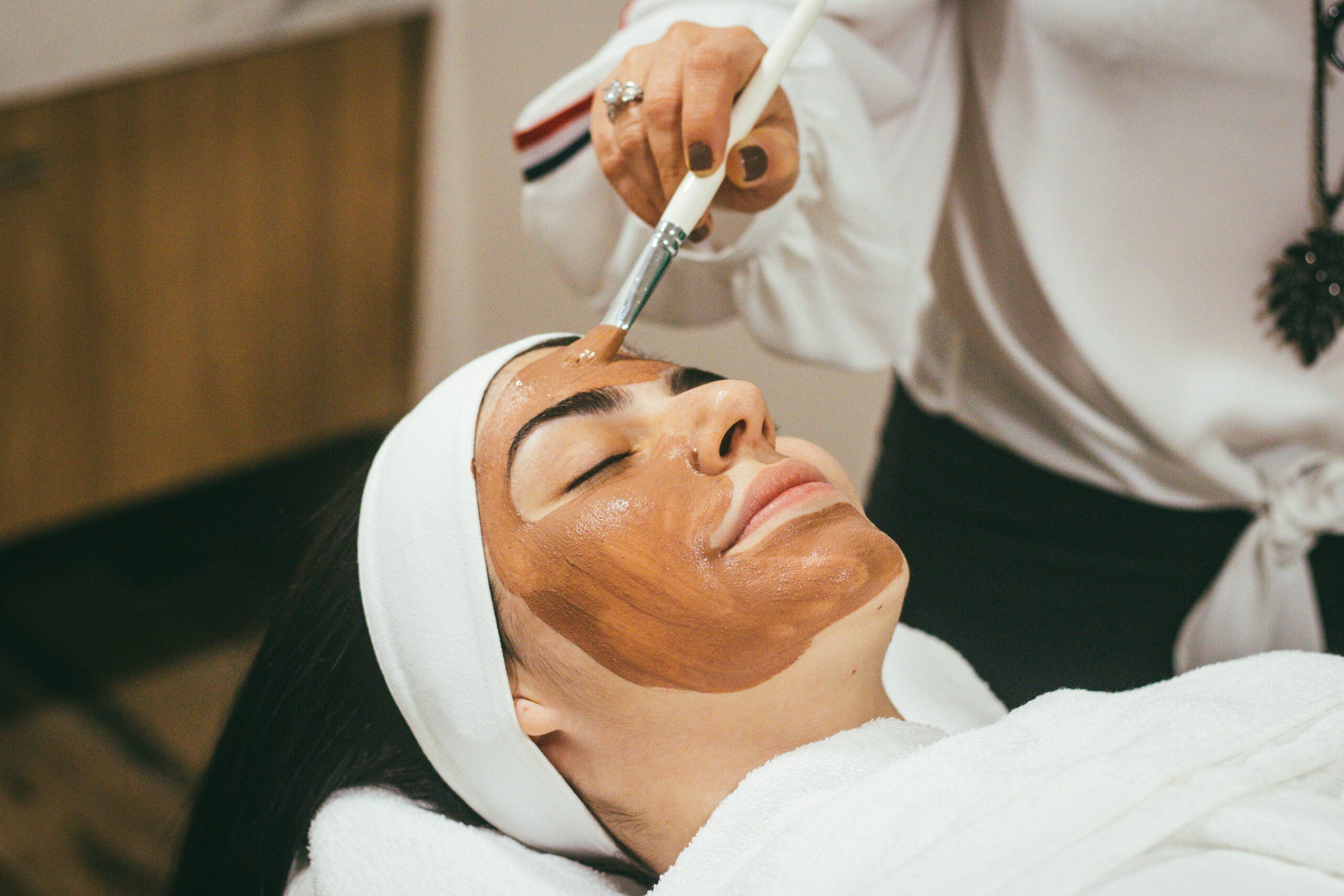
Uneven skin tone, acne marks, rough texture, pigmentation and dullness can leave your complexion looking less than even. A chemical peel is a professional exfoliation treatment that uses a chemical solution to cause controlled exfoliation to treat specific skin concerns.
If you are considering a chemical peel in Singapore, in terms of choosing the treatment, it should be more than just comparing prices or going for the strongest. Whether a treatment makes sense depends on peel depth, ingredients, skin type, pigmentation risk, recovery time, and your goals. Having this information before booking will allow you to walk into your consultation with realistic expectations.
1. Understand What a Chemical Peel Really Does
A chemical peel is a solution that removes layers of skin in a controlled way. Treated skin will heal to a smoother, brighter and more even complexion.
To address particular concerns such as certain forms of acne, irregular pigmentation, rough skin, sun damage, fine lines and mild scarring, dermatologists utilize chemical peels. The depth of treatment depends on the condition being treated and the outcome desired.
A peel does not just “remove damaged skin.” The treatment is designed to produce a controlled response, so it must be formulated correctly and at the correct strength.
2. Select the Peel for Your Skin Concern
Different chemical peels have different degrees of exfoliation. Before recommending a specific treatment, a consultation should identify your chief concern.
Mild Peels
Superficial peels work on the top layer of skin. They can be considered for problems such as mild uneven tone, rough texture, dullness and some types of acne.
They tend to have less downtime, although it may take several treatments to get the desired improvement. With refreshing or light peels, redness and scaling can happen and healing usually occurs in days, says the American Academy of Dermatology.
Medium Depth Peels
Medium depth peels penetrate more deeply into the skin and can be used for more noticeable pigmentation, acne scarring and certain fine lines.
They recover more slowly, because their response is stronger. During the healing phase you could experience redness, swelling, crusting and peeling.
Chemical Peels
Deeper peels go much deeper and involve a more significant recovery process. Deeper treatments carry a higher risk of complications and so are reserved for specific cases.
Cosmetically, deeper is not necessarily better with a peel. The appropriate level depends on the patient’s skin and treatment goals.
3. Think About Your Skin Type And Pigmentation Risk
The tone of the skin should be taken into consideration before a chemical peel. In darker skin types injury to the skin can cause post inflammatory hyperpigmentation so a professional assessment is especially important.
The American Academy of Dermatology says that people with skin of color can safely have chemical peels, but recommends seeking out a dermatologist experienced in treating darker skin tones.
This is very relevant in terms of treating pigmentation concerns. Improper treatment of the skin or inadequate after care of a treatment meant to improve dark marks can actually worsen pigmentation.
The Importance of Self-Assessment
Two people that have the same pigmentation may respond differently to the same peel.” Previous inflammation, skin care products, sun exposure and medications and a natural tendency toward pigmentation can affect the treatment plan.
“So, a provider should look at your skin and not just follow a standard peel protocol.”
4. Understand How Much Downtime You Can Tolerate
One of the most practical things to consider before you book a peel is recovery.
Some temporary redness, dryness and scaling can occur with a light peel. Medium peels tend to be more dramatic for recovery. Deep peels can take weeks for recovery. The AAD says healing time for refreshing peels is between one and seven days, seven to 14 days for medium peels, and 14 to 21 days for deep peels.
Work on Your Own Schedule
Consider future plans, work commitments, travel arrangements, exercise routines and outdoor activities when deciding on a treatment.
If you have an important event coming up, make sure to tell your provider before treatment. The issue with this is that you might be choosing a more aggressive peel and not giving yourself enough time to recover, which can put unnecessary stress.
5. Get Your Skin Ready for the Appointment
Your provider may suggest a pre-peel skincare routine, depending on the treatment. The procedure may require several weeks of preparation for some patients.
The AAD recommends discussing your current and past medications, acne treatments, supplements, past cosmetic procedures, history of cold sores and any tendency to scar unusually with your dermatologist.
Sun protection is also important. Over exposure to the sun may increase risk of pigmentation problems and slow recovery.
Do not discontinue prescription skin care or medications on your own just because you are preparing for a peel. Follow the instructions from your qualified clinician.
6. Understand What Aftercare Is
A lot of what happens in aftercare is how your skin heals. “The treated skin can become more sensitive, dry, red or flaky depending on the depth of the peel.”
Your provider might recommend gentle cleansing and moisturizing and careful protection from the sun. Don’t pick or scratch off peeling skin or remove it manually. The AAD cautions that interfering with healing skin can increase the risk of infection and scarring.
The Critical Post-Care Priorities
- Follow your provider’s instructions for cleansing and moisturizing.
- After treatment, protect skin from sun exposure.
- Apply sunscreen as directed, when appropriate.
- Don’t pick or pull the skin that is peeling off.
- Call your provider right away if you experience any burning, itching, swelling or other unexpected symptoms.
The exact routine will depend on the peel you are using and how you heal.
7. Treatment, Provider & Expectation Comparison
The last thing to think about is where you get the treatment and how you do it. Chemical peels are medical procedures, which require correct knowledge of skin anatomy, product selection, depth of treatment and possible complications.
The AAD recommends asking who will do the peel, how experienced the practitioner is with your skin coloring, what results you can expect, what side effects you may have, and how much downtime to expect.
Questions to Ask Before You Book
Before you start treatment, ask:
- Which peel is right for my particular skin concern?
- How deep will the treatment penetrate?
- What downtime am I looking at?
- How many sessions will this take?
- Does this mean I’m more prone to pigmentation?
- What should I not do before and after treatment?
- What other options might yield a similar result?
These questions help you make a decision based on suitability, not marketing claims.
Are you looking for a chemical peel in Singapore?
Sun protection is particularly important in Singapore’s climate during and after skin treatments. Your provider should talk about how your normal routine, skincare products and exposure to the outdoors may need to change around the procedure.
When researching clinics, Bio Aesthetic Clinic is one provider you might want to consider when comparing professional esthetic treatment options. And when you do speak with a doctor, don’t just think about how intense the peel they’re recommending is, but how well it fits with your skin condition, your goals for treatment, and your ability to tolerate downtime.
Unsupervised high strength chemical peels should also be avoided. Some at-home chemical peels have caused serious injuries, according to the AAD. The AAD advises using chemical peels under the supervision of a licensed, trained provider.
Getting Ready for Your First Peel Right
A chemical peel can be a valuable treatment for select concerns but the procedure is most effective when the treatment fits the patient’s skin and expectations. You may see gradual improvement with minimal down time using a light peel, while deeper treatments produce stronger results that require more recovery.
Your consultation should cover your skin type, current regime, medical history, risk of pigmentation, desired results and time available for recovery. This information helps your provider develop a more appropriate treatment plan for you.
Last things to consider before your appointment
Choosing a chemical peel should start with what your skin needs, not the hype of one particular treatment. Knowing the difference in peel depths, prepping your skin, following aftercare instructions, and choosing a qualified provider can help make the process more informed.
If you’re thinking about a chemical peel in Singapore, take the consultation to ask detailed questions and set realistic expectations. With the right treatment, professional supervision and aftercare, chemical peels can be a useful part of a broader approach to improving skin appearance.