
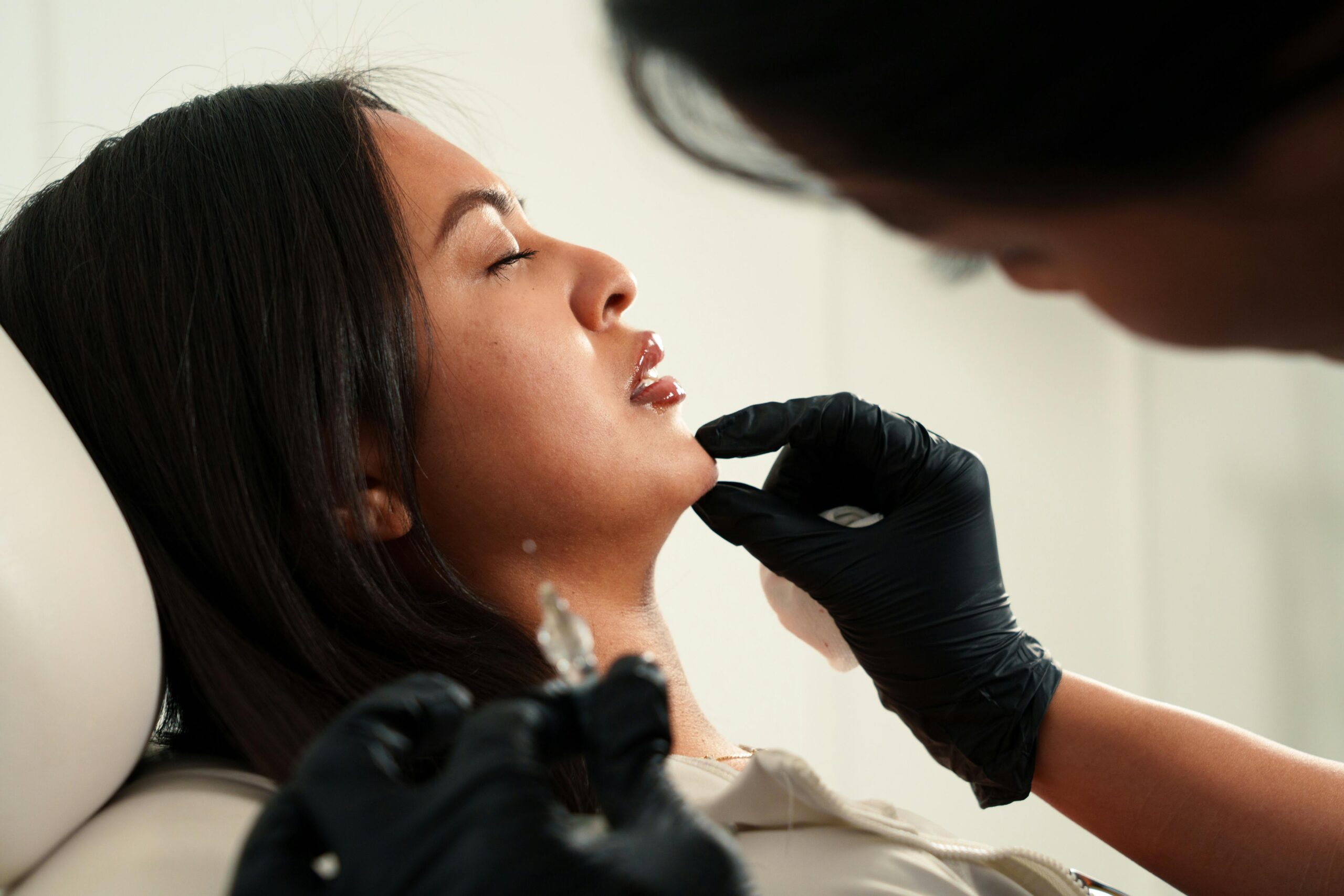
A few years ago, dermal fillers felt like something only celebrities talked about. Now it seems everyone knows someone who has had a little lip definition or a touch of cheek volume, and the conversation has become far more relaxed. If you have been quietly wondering whether fillers might be for you, this guide walks through the basics in plain language, so you can go into a consultation feeling informed rather than nervous.
What Dermal Fillers Actually Are
Most modern fillers are made from hyaluronic acid, a sugar molecule your body already produces. It lives in your skin and joints, where it holds onto water and keeps things plump and cushioned. As we get older, our natural supply drops, which is one reason skin starts to look thinner and lines become more noticeable.
Hyaluronic acid fillers are gels placed under the skin to restore some of that lost volume. Because the body gradually breaks the gel down, results are temporary, usually lasting somewhere between six and eighteen months depending on the product and the area treated. For many people, that temporary nature is reassuring: nothing is permanent, and you can decide whether to top up later.
Why Brand Names Come Up So Often
When you start reading about fillers, you will notice a handful of brand names appear again and again. One of the most familiar is Juvederm, a long-established range with different formulations for lips, cheeks, under the eyes and fine lines. Practitioners often choose Juvederm fillers because each product in the range has a slightly different texture, which lets them match the gel to the area they are treating. A softer gel suits delicate lips, while a firmer one gives more lift and structure along the cheekbones.
You do not need to become an expert in product names, but it is worth asking your practitioner which brand they use and why. A good clinician will happily explain their choice.
Popular Areas People Ask About
- Lips: usually about hydration and shape rather than size. Many people simply want a little more definition along the lip line.
- Cheeks: restoring volume here can lift the mid face and soften the look of tiredness.
- Smile lines: the creases running from the nose to the corners of the mouth are one of the most commonly treated areas.
- Chin and jawline: a small amount of filler can bring balance to the profile.
Choosing the Right Practitioner
This is the single most important decision you will make. Look for a medically qualified practitioner, such as a doctor, dentist or registered nurse prescriber, who works from a proper clinic. Ask to see before and after photos of their own work, and check reviews from real patients.
A trustworthy practitioner will never rush you. They should take a full medical history, talk through any risks, and be honest if they think filler is not the right option for you. If someone offers a bargain treatment in a hotel room or at a party, walk away. Cheap filler from an unknown source is never worth the risk to your face.
Questions Worth Asking at Your Consultation
- Which product will you use, and where is it sourced from?
- How long should I expect the results to last?
- What side effects are normal, and what should I look out for?
- Can the filler be dissolved if I am unhappy with the result?
- Do you offer a review appointment a couple of weeks afterwards?
That last question matters more than people think. Swelling can make results look different for the first week or so, and a review appointment gives you both a chance to check everything has settled nicely.
What the Appointment Feels Like
Most filler treatments take less than an hour, including time for numbing cream to work. Many products also contain a small amount of local anaesthetic mixed into the gel, which makes the injections far more comfortable than most people expect. You might feel some pressure and a slight sting, but the majority of patients describe it as very manageable.
Aftercare and Recovery
Mild swelling, tenderness and the odd small bruise are all normal in the first few days, especially around the lips. A few simple habits help things settle:
- Avoid strenuous exercise, saunas and hot baths for a day or two.
- Skip alcohol for the first twenty four hours, as it can increase swelling.
- Try not to press or massage the area unless your practitioner tells you to.
- Keep make up off the treated area until the next day.
If you have an important event coming up, plan your appointment at least two weeks beforehand so any swelling or bruising has plenty of time to fade.
Keeping Things Natural
The best filler results are the ones nobody can quite put their finger on. Friends might say you look well rested or ask if you have been on holiday, without realising you have had anything done. Starting with a small amount and building up gradually, if needed, is almost always the wisest approach.
Fillers will not suit everyone, and that is perfectly fine. But if you are curious, a relaxed, no pressure consultation with a qualified practitioner is a brilliant first step. Go armed with your questions, take your time deciding, and choose someone you genuinely trust with your face.