
Brewing a good cup of tea involves more than choosing quality tea leaves and pouring hot water. The teaware you use, the amount of tea, the brewing time, and the way you serve each infusion can all affect the final result. In Chinese Gongfu tea brewing, even small accessories have a practical purpose. They help keep the process organized, make it easier to handle tea leaves, and improve the overall tea-drinking experience.
Among these accessories, two are particularly useful: the Cha He, or tea presentation vessel, which is used to examine and present dry tea leaves before brewing, and the tea strainer, which catches small leaf fragments when pouring the finished tea.
Understanding how these tools are used can help you appreciate their practical value and the small details involved in preparing and serving tea.
Setting Up Your Gongfu Tea Table
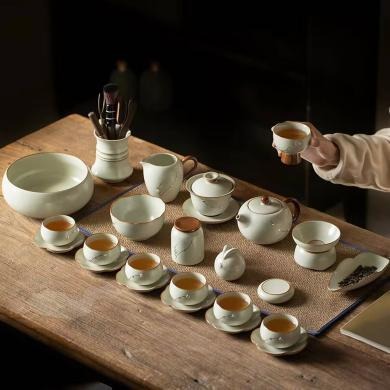
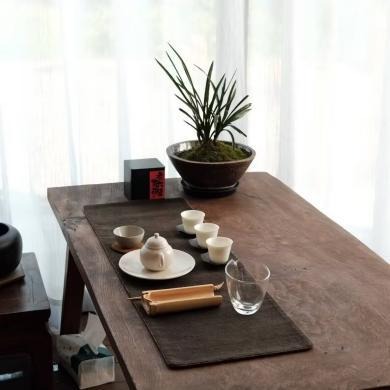
Before brewing, it’s helpful to arrange everything within easy reach. A traditional Gongfu tea setup usually includes a gaiwan or small teapot for brewing, a fairness pitcher (Gong Dao Bei) for serving, several small tasting cups, a kettle and a tea tray.
Gongfu brewing uses a relatively generous amount of tea leaves in a smaller vessel. The tea is brewed in short, repeated infusions, allowing you to experience how its flavor develops over time. You don’t need a large collection of utensils to practice this method. The most useful accessories are the ones that make each step smoother, from handling dry leaves to serving tea without spilling.
With the tea table ready, the next step in Gongfu tea brewing is to take a closer look at the tea leaves before brewing.
Step 1: Preparing the Tea Leaves With a Cha He
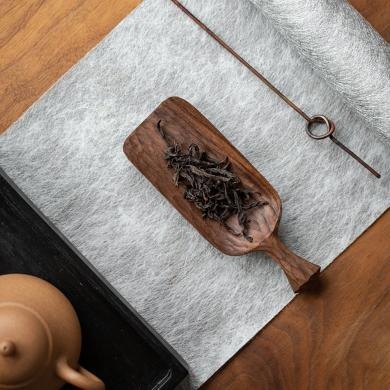
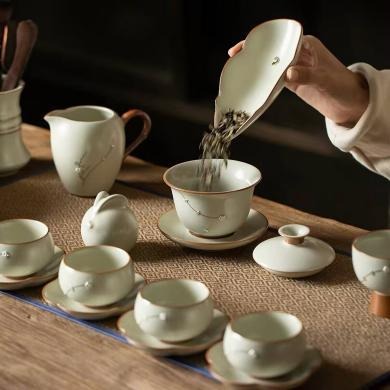
Before the tea leaves enter the teapot, they are often placed in a small, shallow vessel known as a Cha He (茶荷), also called a tea presentation vessel. Despite its name, a Cha He isn’t meant for storing tea long-term. Its purpose is to hold and display the dry leaves before brewing.
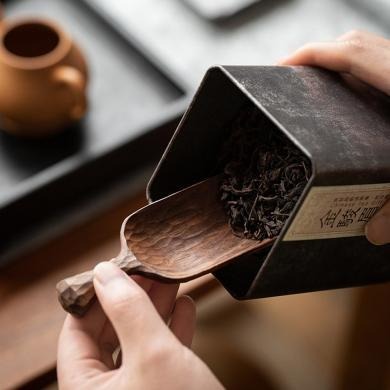
Different types of tea leaves come in different shapes and forms. Imagine preparing a Phoenix Dancong oolong. You open the tea container and gently transfer a small amount of leaves into the Cha He. Instead of immediately putting them into your teapot, you have a moment to examine their appearance. Are the leaves long and twisted, tightly rolled, or loosely curled? Are they evenly shaped? Do you notice any broken pieces? The appearance of dry tea leaves can tell you something about how the tea was processed and how it might behave during brewing.
Appreciating the Aroma Before Brewing
A Cha He also makes it easier to appreciate the fragrance of dry tea leaves. Hold the vessel near your nose and inhale gently. Some oolong teas have floral or fruity aromas, while roasted varieties may suggest nuts, toasted grain, or warm wood.
You can invite friends to smell the leaves as well. In traditional Chinese tea gatherings, presenting dry tea is one way to introduce guests to what they are about to drink. This simple step adds another dimension to tea tasting: you experience the aroma before the leaves meet hot water, then compare it with the fragrance of the brewed tea.
Transferring the Leaves Into the Teapot
Beyond presentation, the Cha He has a practical function. Many have a curved shape or a narrow pouring end, allowing dry leaves to slide into a gaiwan or teapot with minimal spilling. For a 100 ml brewing vessel, approximately 5 grams of loose-leaf tea is a reasonable starting point, although the amount varies depending on the tea.
Once the leaves have been measured, tilt the Cha He gently over the teapot opening. If a few leaves remain in the vessel, a small tea scoop can help guide them into the teapot without using your fingers. This is particularly useful when handling long, delicate leaves that might break if squeezed or handled roughly.
In this way, a Cha He brings together three useful steps: measuring, appreciating, and transferring the leaves.
Step 2: Warming the Teaware and Brewing the Tea
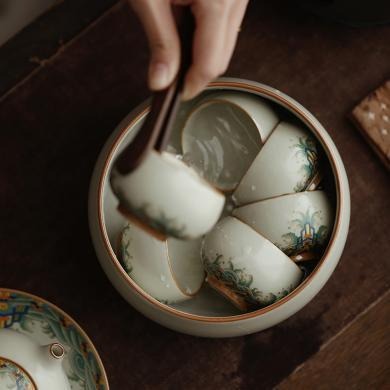
At this stage, another set of tea accessories comes into use: the traditional tea utensil set, also known as the Six Gentlemen of Tea (Liu Jun Zi). With the leaves prepared, it’s time to warm and clean the teaware. Pour hot water into the empty teapot or gaiwan, then use a pair of tea tongs to hold each tasting cup and rinse it with hot water over the tea washer. This helps rinse and warm the cups while avoiding direct contact with your hands. Once rinsed, use the tongs to lift the cups out and arrange them on the tea table, ready for serving.
Warming the teapot, fairness pitcher, and cups helps maintain the tea’s temperature during brewing and serving. After warming the brewing vessel, discard the water into the tea tray or tea washer, then transfer the prepared tea leaves into it. You may notice their aroma becoming more pronounced as they touch the heated porcelain or clay. This is another enjoyable moment to appreciate the tea before adding water.
Finding the Right Water Temperature
Different teas respond differently to hot water. For many roasted oolongs and pu-erh teas, water around 95–100°C (203–212°F) works well. Lighter oolongs may benefit from slightly cooler water, depending on their processing and your preferred flavor.
After adding the water, allow the tea to infuse briefly. A first steep of around 10–20 seconds can be a useful starting point for many Gongfu-style oolongs, though some teas need more or less time. The important thing is to pour out the infusion completely when it reaches your preferred strength.
Step 3: Using a Tea Strainer for a Cleaner Pour
When you pour tea from a gaiwan or teapot, most of the leaves should remain inside the brewing vessel. However, small leaf fragments sometimes escape with the tea, especially when using broken leaves, certain pu-erh teas, or a gaiwan with a wider pouring gap.
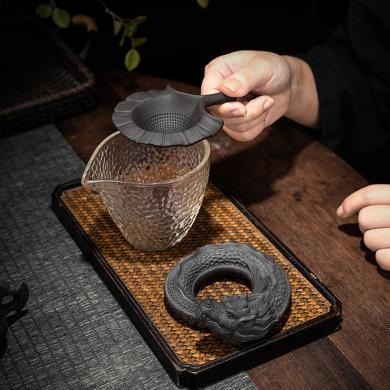
A tea strainer catches many of these loose particles before they reach the serving pitcher. In a typical modern Gongfu tea setup, the strainer rests over the opening of the fairness pitcher, also known as a Gong Dao Bei. Before pouring, make sure it sits securely over the pitcher and won’t slip when hot tea flows through it. As you pour, the tea flows into the pitcher while small leaf fragments and loose particles are caught by the strainer. The result is a cleaner cup with fewer floating tea particles and a more consistent appearance. After pouring, place the used strainer on its holder or a small dish to keep the tea table tidy.
Step 4: Sharing the Tea and Enjoying Multiple Infusions
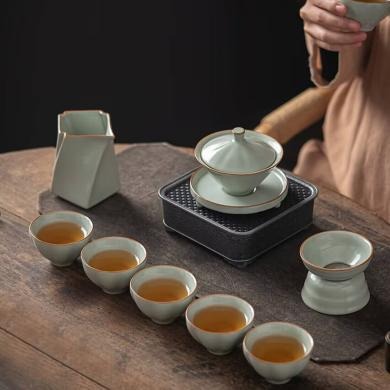
Once the tea has been transferred into the fairness pitcher, it’s ready to serve. The fairness pitcher collects and blends the tea from the brewing vessel, helping maintain an even color and flavor throughout the batch. This ensures that every guest receives tea with the same strength and taste, no matter which cup is poured first.
When serving guests, pour tea into their cups first, then fill your own. This small gesture reflects the hospitality associated with Chinese tea culture. Take a moment to appreciate the tea’s color and aroma before drinking, then sip slowly and pay attention to its texture, sweetness, and aftertaste.
Then comes one of the most interesting parts of Gongfu brewing: making another infusion with the same leaves. Refill the teapot or gaiwan with hot water and repeat the process, adjusting the steeping time as needed. You may discover that the second infusion tastes fuller, the third reveals a sweeter note, or the later rounds become softer and more delicate.
Choosing Practical Tea Accessories That Suit Your Brewing Style
Tea accessories come in a variety of materials and designs, so you can choose pieces that suit your brewing habits and personal preferences.
Cha He vessels are commonly made from porcelain, bamboo, walnut wood, and coarse pottery. Porcelain has a smooth surface and a refined appearance, while bamboo and walnut wood offer natural textures and a warm feel. Coarse pottery, on the other hand, has a more rustic look. Each material brings a different character to the tea table.
Tea strainers are also available in a growing range of styles. Some Yixing clay and ceramic strainers are made in charming shapes, such as rabbits, turtles, and dragons. Besides their practical use, these designs can also serve as decorative pieces, adding a little character to your tea table.
Other traditional accessories, such as the Six Gentlemen of Tea, can also be useful additions to a Gongfu tea setup. You don’t need every tool to enjoy brewing tea; a few practical pieces that suit your daily routine are often enough.
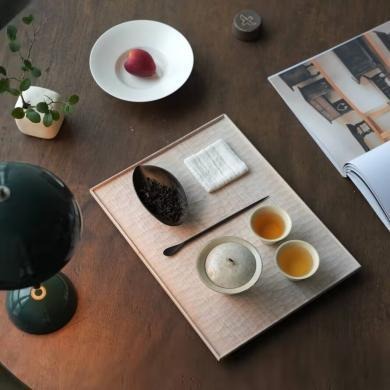
The Pleasure of Paying Attention to Small Details
The appeal of Gongfu tea lies in how ordinary actions become more interesting when we give them our attention. Taking a moment to observe the tea leaves, appreciate their fragrance, and prepare each piece of teaware adds more enjoyment to the brewing process.
Essential tea accessories, such as the Cha He, tea strainer, and Six Gentlemen of Tea, each have their own purpose. They help with different stages of brewing, from preparing and handling tea leaves to pouring and serving the finished tea. You don’t need a large collection of tools to enjoy Gongfu tea. A few well-chosen accessories can make the brewing process more organized, comfortable, and enjoyable. Ultimately, it’s about appreciating the small details and finding pleasure in preparing and sharing a good cup of tea.