
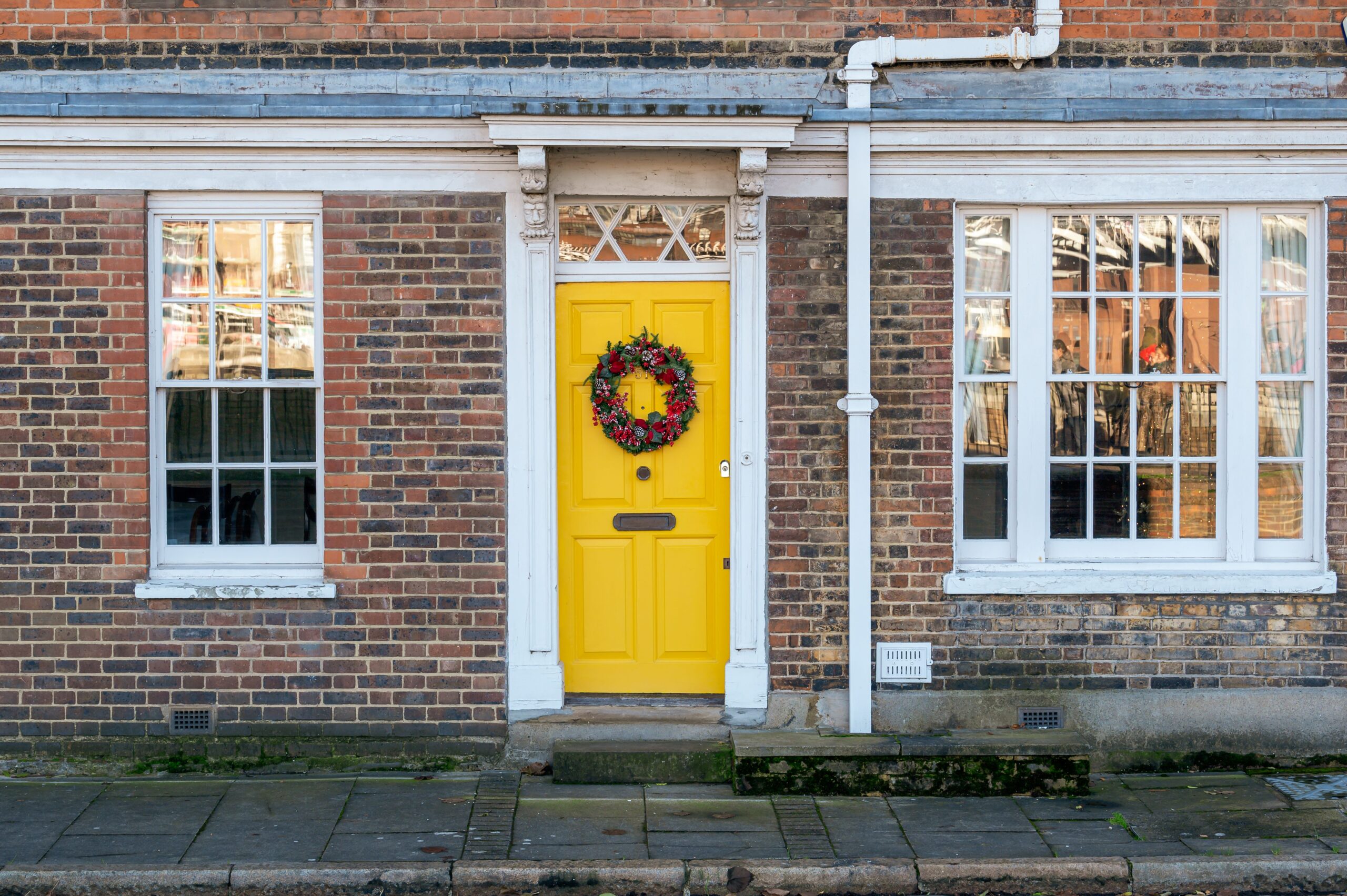
Your doors do more work than you probably give them credit for. They deal with weather, noise, daily traffic, and the occasional dramatic slam after a bad day. If you’re thinking about replacing one, or several, it helps to know what actually matters before you spend money. A new door can change how your home looks and feels, but the best results come from paying attention to materials, fit, security, and how the door performs in real life.
Don’t Ignore Energy Efficiency and Weather Performance
A door isn’t just a movable wall. It’s part of your home’s thermal envelope, which sounds technical because it is. If your door leaks air, your heating and cooling system has to work harder, and your rooms feel less comfortable.
Pay attention to:
– Insulated cores
– Quality weatherstripping
– Tight thresholds
– ENERGY STAR certification where relevant
– Low-E glass for doors with large window panels
This matters even more for exterior doors exposed to strong sun, rain, or cold snaps. You might not notice tiny leaks right away, but over time they show up in comfort and cost.
If you’re comparing products and installation options, it helps to see how exterior upgrade companies approach related openings too. For example, some homeowners researching door replacement services also look at window performance standards, since the same concerns around insulation, seals, and weather resistance often overlap.
Start With the Problem You’re Actually Trying to Fix
Door replacement gets easier when you know what issue you’re solving. Sometimes the goal is obvious, like a front door that sticks every winter or a patio door with a broken seal. Other times, the signs are quieter.
Look for drafts, rising energy bills, soft spots in the frame, moisture damage, or outside noise that seems way too present. A door can also be structurally fine and still fail you on security or style.
Make a quick list before you shop:
– Poor insulation or noticeable drafts
– Warping, rot, or water damage
– Trouble opening, closing, or locking
– Cracked glass or damaged weatherstripping
– A dated look that drags down curb appeal
That list keeps you from buying based on appearance alone. A pretty door that leaks air is still a problem wearing better clothes.
Measure Carefully or You’ll Pay for It Later
This is where many projects go sideways. Doors are not a one-size-fits-all situation, and older homes are especially full of surprises. Openings shift over time. Frames settle. Floors slope just enough to make installation more complicated than expected.
You’ll usually choose between a slab door and a prehung door:
– Slab door: Just the door itself. Better if the existing frame is in excellent condition.
Professional measuring matters because a bad fit creates a chain reaction of issues: gaps, sticking, lock misalignment, water intrusion, and shortened lifespan. Saving money by guessing dimensions can get expensive fast.
Even if you love DIY, this is one of those jobs where precision is doing a lot of heavy lifting. A door that is off by a little can annoy you every single day.
Think Beyond Looks: Security, Hardware, and Daily Use
Style matters. You see your front door constantly, and visitors notice it too. Still, design should never be the only filter. A door is also part of your home’s security system and part of your daily routine.
Ask yourself:
– Does it need a solid core?
– Are the hinges, strike plate, and deadbolt high quality?
– Will glass panels affect privacy or safety?
– Do you need better accessibility for kids, guests, or older family members?
– Will the swing direction make furniture placement awkward?
These details sound small until you live with the wrong setup. A stunning door with weak hardware is a bad trade. So is a back door that technically fits but bangs into everything behind it.
Smart locks, multipoint locking systems, and reinforced frames are all worth considering if security is high on your list. The best door setup should feel smooth to use and difficult to mess with from the outside.
Budget for the Whole Project, Not Just the Door
The sticker price on the door is only one part of the cost. Installation, frame repair, finishing, hardware, disposal of the old unit, and trim work can all change the final number.
Your budget should account for:
– The door unit itself
– Labor and installation
– New locks, handles, and hinges
– Frame or threshold repairs
– Paint or stain
– Possible siding or interior trim touch-ups
Custom sizes, decorative glass, sidelights, and specialty finishes can drive costs up quickly. That doesn’t mean you should avoid them. It just means you should know what’s shaping the quote.
Get multiple estimates if you’re hiring out the work, and ask exactly what is included. “Installed” can mean very different things depending on the contractor. Clear scope now saves awkward conversations later.
Pay Attention to Installation Quality and Long-Term Maintenance
A great door installed badly will still perform badly. That’s the part many homeowners underestimate. Proper flashing, sealing, shimming, and alignment are what stand between a smooth upgrade and years of irritation.
Once the door is in, maintenance keeps it working well:
– Clean tracks on sliding doors
– Inspect caulking and weatherstripping yearly
– Tighten hardware when needed
– Repaint or reseal exposed finishes on schedule
– Watch for water pooling near thresholds
Exterior exposure changes the maintenance story too. A covered entry protects a door better than one facing direct rain and afternoon sun every day.
If you’re replacing more than one opening over time, keep notes on product specs, paint colors, warranty details, and installer information. Future you will appreciate not having to play detective over hinge finishes and manufacturer labels.
Make the Final Choice Based on Performance You’ll Notice Every Day
The best replacement door is rarely the flashiest one. It’s the one that closes cleanly, locks securely, keeps your home comfortable, and still looks good years later.
When you narrow your options, focus on the things you’ll actually experience every day:
– How it feels to open and close
– How well it seals against weather
– How much light it adds or blocks
– How much upkeep it demands
– Whether it improves privacy and security
A door upgrade can be aesthetic, practical, or both. The strongest choices usually cover all three lanes: performance, appearance, and durability.
If you approach the project with clear priorities, solid measurements, and realistic budgeting, you’ll avoid the classic renovation trap of paying more for something that works less well. No one wants that plot twist from a door.