
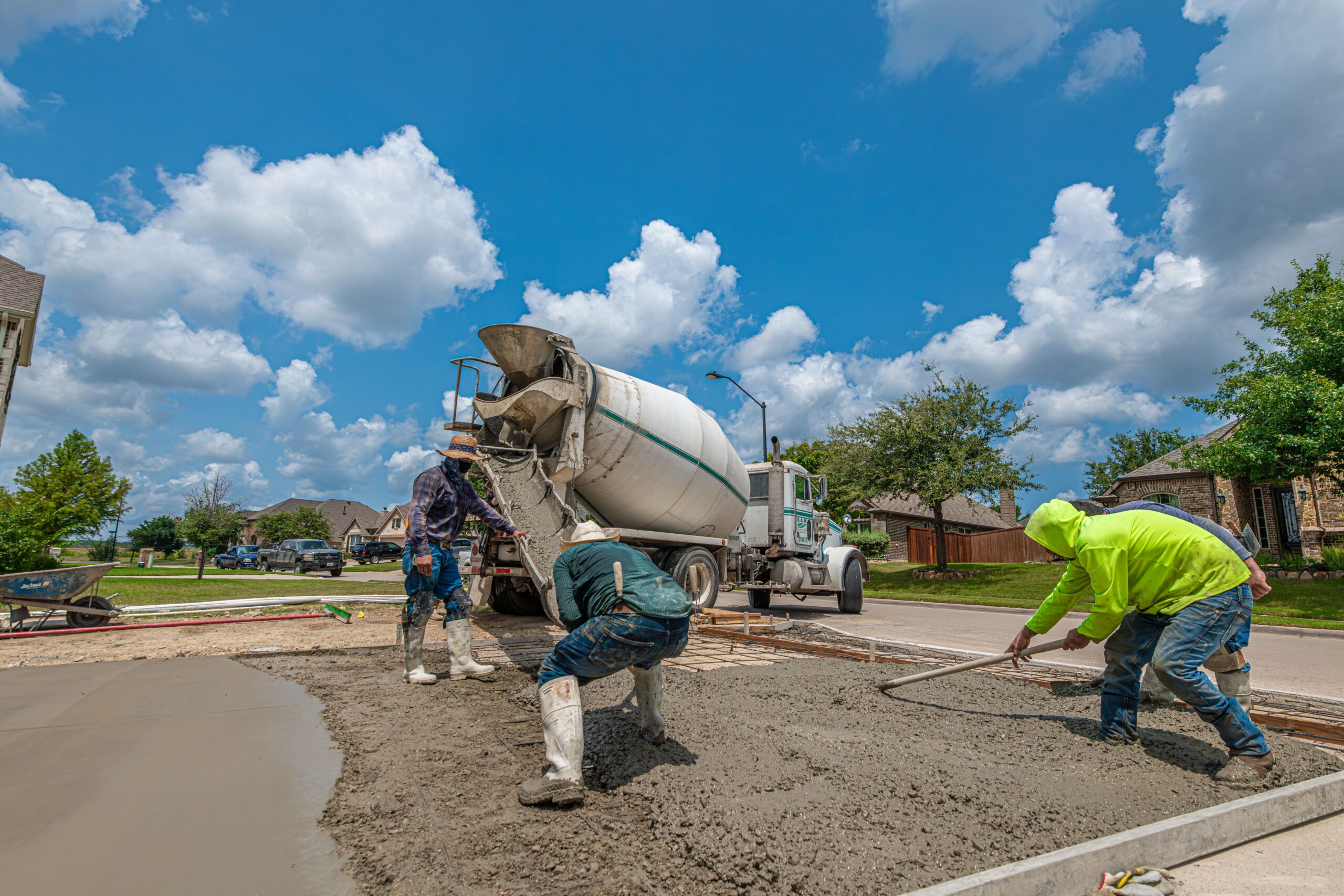
Your driveway does more work than most parts of your home. It handles cars, weather, oil drips, muddy shoes, delivery vans, and the occasional basketball game. If you’re planning a new one or replacing an old, cracked slab, a little planning saves money and frustration later. Concrete looks simple from the street, but the real story sits underneath the surface: drainage, thickness, curing time, and workmanship all decide whether your driveway lasts for decades or starts failing early.
Thickness, Reinforcement, and Mix Design Are Not Minor Details
Not all concrete driveways are built to the same standard. One of the biggest differences is slab thickness. For most homes, around four inches is common, but heavier vehicles or frequent traffic may call for more. If you park trucks, trailers, or larger vehicles, mention it early.
Reinforcement also deserves attention. Wire mesh or rebar can improve strength and help control cracking, though it won’t make concrete invincible. Concrete naturally cracks over time. The goal is to manage where and how it happens.
Mix design matters too. Air-entrained concrete can perform better in cold climates because it handles freeze-thaw stress more effectively. A contractor offering concrete driveway installation & replacements should be able to explain thickness, reinforcement, and mix choices in plain language, not bury them under vague promises and clipboard theater.
Start With the Real Condition of Your Current Driveway
Before you price anything, look closely at what you already have. Small surface cracks, minor discoloration, and light scaling don’t always mean full replacement. Sometimes patching or resurfacing can buy you more time.
Bigger warning signs tell a different story. If your driveway has deep cracks, uneven slabs, pooling water, crumbling edges, or sinking sections, the base underneath may be failing. In that case, repairs can turn into a money pit with a concrete aesthetic.
You should also think about how you use the space now. A driveway that once held one compact car may now need room for two SUVs, guest parking, or easier turning space. Replacement often makes sense when the old layout no longer fits your daily routine, even if the surface damage looks manageable.
The Base Layer Matters More Than Most People Expect
Concrete gets the attention, but the base does the heavy lifting. A driveway can look perfect on pour day and still crack early if the soil wasn’t prepared properly. Weak subgrade, poor compaction, and bad drainage quietly create expensive problems.
A solid driveway usually starts with excavating unstable soil, grading the area correctly, and adding compacted gravel or crushed stone. That foundation helps the slab stay level and reduces movement during freeze-thaw cycles. If you live somewhere with dramatic weather shifts, this part becomes even more important.
When you compare quotes, ask what’s included below the concrete. Some contractors keep pricing attractive by skimming over site prep. That shortcut often shows up later as settling, water buildup, and cracks that look random but aren’t random at all.
Drainage Can Make or Break the Finished Result
A driveway should move water away from your home, garage, and walkways. Sounds obvious, yet poor drainage is one of the most common reasons a new driveway disappoints. Water that pools near the slab can seep into joints, erode the base, stain the surface, and create slippery spots.
Good grading creates a subtle slope that you may barely notice while walking on it. That gentle pitch helps rainwater drain without making the driveway awkward to use. In some homes, adding a channel drain or adjusting nearby landscaping may also be necessary.
Pay attention to where roof downspouts discharge. If they dump water directly onto the driveway, you may end up with long-term wear in one area. A beautiful finish won’t compensate for water heading the wrong way every time it rains.
Timing, Curing, and Weather Affect the Final Quality
Concrete isn’t a quick install-and-forget project. The pour itself may move fast, but curing takes patience. You usually can’t drive on new concrete right away, and local weather can shift the timeline.
Hot temperatures can cause concrete to dry too quickly, which increases the risk of surface issues. Cold weather creates its own headaches, especially if temperatures drop too low during curing. Rain on the wrong day can also throw a wrench into scheduling.
Ask what the timeline looks like from demolition to final use. You’ll want to know when you can walk on it, when vehicles can return, and whether sealing is part of the plan. If a contractor talks like a driveway is ready for anything by tomorrow afternoon, that’s your cue to raise an eyebrow.
Style Options Go Beyond Plain Gray Slabs
Concrete has a reputation for being basic, but modern options give you more control over the finished look. If curb appeal matters, you can choose from broom finishes, exposed aggregate, borders, scoring patterns, and color-tinted concrete.
That said, appearance should never come before performance. A decorative finish still needs proper prep, joint placement, and curing. Fancy texture on a weak slab is just expensive optimism.
Think about your home’s exterior when choosing the look. A clean broom finish often suits modern and traditional homes alike, while exposed aggregate can add more texture and visual interest. Lighter tones may stay cooler in sunny areas, though they can show stains more easily. Balance style with maintenance, not just whatever looks best in a photo taken five minutes after installation.
How to Compare Quotes Without Getting Tricked by Low Prices
A lower quote can mean efficiency, or it can mean corners. You won’t know unless you compare the details line by line. Look for excavation depth, base material, slab thickness, reinforcement, control joints, cleanup, and haul-away of old concrete.
You should also ask about permits if your area requires them. Some jobs involve apron work near the street or changes to width and drainage that trigger local rules. Skipping permit questions now can create hassles later if you sell the home.
Check whether the quote includes sealing, site protection, and warranty terms. A well-written estimate usually signals organized work. A vague one leaves room for misunderstandings. The cheapest option can become the priciest if you’re paying again in a few years to fix settlement, cracking, or drainage mistakes.
A Smart Driveway Project Balances Cost, Durability, and Daily Life
A new driveway affects more than parking. It changes how water moves around your home, how your front exterior looks, and how much maintenance you’ll deal with over time. The best results come from asking practical questions, not just chasing the fastest schedule or the lowest bid.
Think long term. A properly installed concrete driveway can serve you well for decades with basic care, including cleaning, sealing when appropriate, and avoiding heavy loads beyond what it was designed to handle. That makes the planning stage worth the effort.
If you treat the project like a structural upgrade instead of a cosmetic patch, you’re more likely to end up with a driveway that performs as well as it looks. And honestly, that’s a much better outcome than admiring a smooth finish while wondering where that new crack came from.