
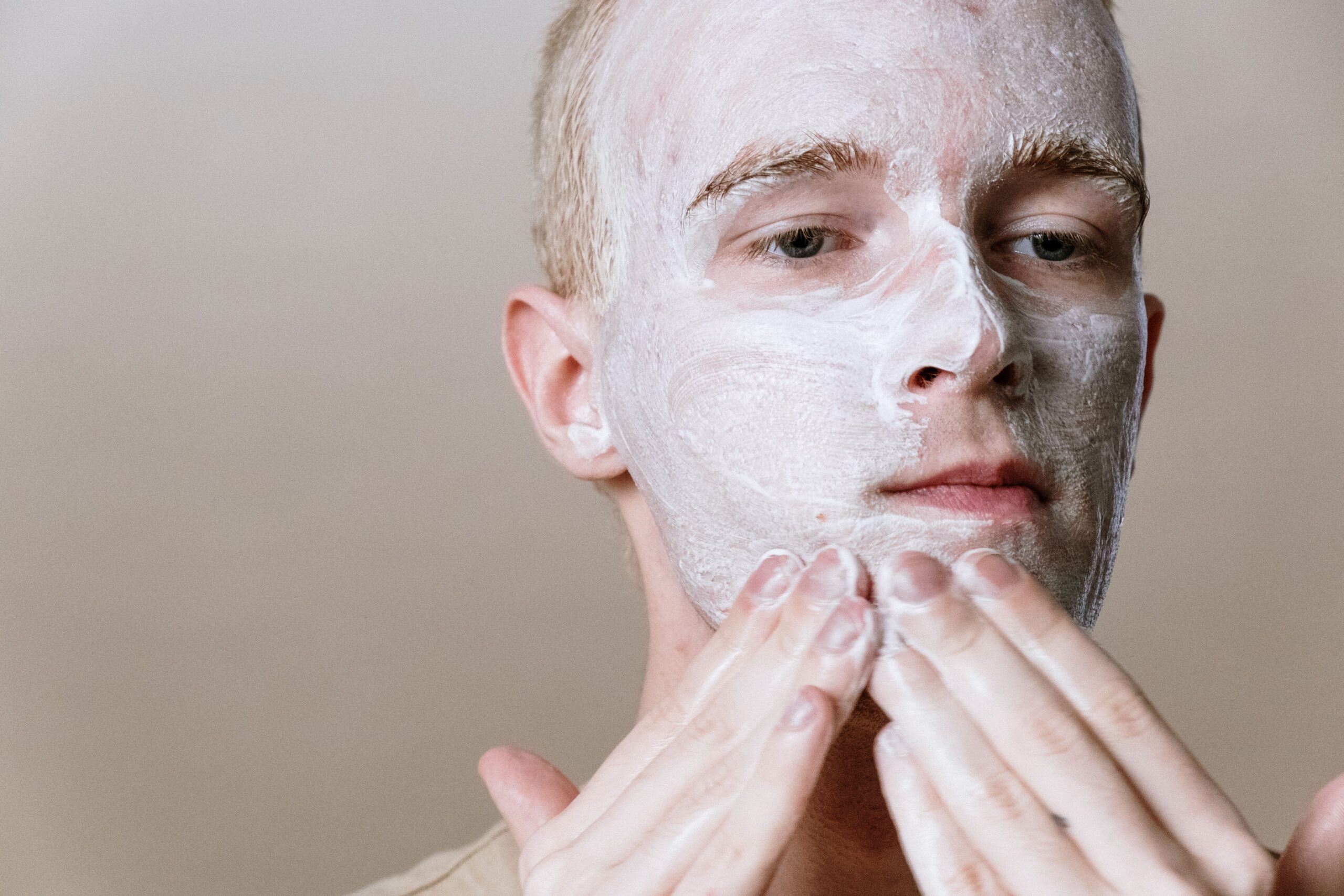
If you’re dealing with breakouts, you already know acne can be annoying, expensive, and strangely good at showing up before important plans. It’s also one of those issues that gets buried under bad advice. If you live in a place like New York City, where pollution, stress, humidity, and packed schedules all collide, your skin can feel like it’s working overtime. A better approach starts with understanding what acne is doing, not just trying to bully it into disappearing.
Your Environment Can Quietly Make Breakouts Worse
A lot of acne advice ignores where you live and how you actually move through your day. That matters. City air can carry pollution that settles on your skin, and long commutes, gym sessions, and weather swings can keep pores under pressure.
If you’re looking for a treatment for acne NYC has several local specialists who can help. Humid summer air can increase oiliness, while winter heat indoors may dry your skin and push you toward overcorrecting with heavy products. Stress from packed schedules doesn’t help either.
You may also deal with “mechanical acne,” which comes from repeated friction. Think helmet straps, tight collars, sports gear, or even touching your face while scrolling. These details sound minor until they happen every day. Skin often reacts to patterns more than single events.
Acne Is More Than a Surface-Level Problem
Acne doesn’t start as a random flaw on your face. It usually begins when oil, dead skin cells, and bacteria clog a pore. Once that pore gets inflamed, you see whiteheads, blackheads, pustules, or those painful under-the-skin bumps that seem to have personal grudges.
Your hormones often play a major role, especially during your teens and early twenties. Stress can also stir things up by increasing oil production. Add sweat, makeup, friction from hats or masks, and inconsistent skincare, and your skin may start waving a red flag.
Not all acne is the same either. Mild clogged pores need a different strategy than cystic breakouts. Treating everything with the same harsh product is a classic skincare mistake. Your face isn’t a frying pan, so stronger isn’t always smarter.
Spotting the Difference Between Helpful Care and Hype
Skincare shelves are crowded with products promising dramatic results in record time. That’s great for marketing and less great for your skin barrier. A cleanser that stings, a scrub that feels like sandpaper, or a trendy “miracle” serum can leave your skin more irritated than improved.
A better routine usually includes a gentle cleanser, a treatment with ingredients like salicylic acid, benzoyl peroxide, or adapalene, and a non-comedogenic moisturizer. Sunscreen belongs in the mix too, especially when acne treatments make your skin more sensitive.
Watch out for the common trap of using too many actives at once. Layering exfoliating acids, retinoids, and drying spot treatments can turn your routine into chaos. If your skin gets red, flaky, or tight, that’s not proof a product is working harder. It may be asking you to calm down.
Diet, Stress, and Sleep Have More Influence Than You Think
Food isn’t the sole cause of acne, but your habits can shape how your skin behaves. Some people notice more breakouts with high-glycemic foods, sugary drinks, or certain dairy products. That doesn’t mean you need a joyless diet built around celery and regret. It means paying attention to patterns.
Sleep also matters more than many people admit. When you’re running on too little rest, stress hormones can rise, and your skin may show it. The same goes for emotional stress, especially if you’re stuck in exam mode, working late, or generally living with a brain that won’t switch off.
Try keeping a simple skin log for a few weeks. Note breakouts, meals, stress levels, workouts, and new products. You’re not trying to become a skincare detective with a corkboard wall. You’re looking for repeat triggers you can actually do something about.
Professional Treatment Can Help When Home Care Stalls
Sometimes a basic routine isn’t enough, especially with persistent, painful, or scarring acne. That’s where professional treatment becomes useful. A dermatologist or qualified skin clinic can help identify whether you’re dealing with hormonal acne, inflammatory acne, fungal folliculitis, or something that only looks like acne.
Professional options may include prescription retinoids, oral medications, chemical peels, light-based therapies, extractions, or customized facials designed for acne-prone skin. The main advantage is precision. Instead of throwing random products at your face, you get treatment based on what your skin is actually doing.
That matters even more if acne is leaving marks or scars. Post-inflammatory hyperpigmentation can linger for months, especially on deeper skin tones. Early treatment can reduce long-term damage. Waiting it out sometimes works, but sometimes it just gives acne more time to settle in like an unwanted roommate.
Picking, Overwashing, and Other Habits That Keep Acne Hanging Around
A few everyday habits can quietly sabotage your progress. Picking is the biggest offender. It can push bacteria deeper, increase inflammation, and raise the chance of scarring. Even when a blemish looks ready to go, your fingers rarely improve the situation.
Overwashing is another common problem. Cleansing twice a day is usually enough. Scrubbing more often can strip your skin, leading to irritation and sometimes even more oil production. The same goes for constantly switching products because you want faster results.
It also helps to clean things that touch your face. Pillowcases, makeup brushes, phones, and sweaty hats can all collect oil and bacteria. None of these items are villainous on their own, but together they can form a pretty unfriendly little ecosystem. Consistency in small habits often has more impact than dramatic one-off efforts.
Patience Is Part of the Treatment Plan
Acne treatment usually takes time, and that’s frustrating when you want change now. Many products need six to twelve weeks before you can judge whether they’re helping. Some treatments even cause a temporary purge at first, which can feel rude, but isn’t unusual.
The goal isn’t perfect skin by next Friday. It’s fewer active breakouts, less inflammation, and a healthier skin barrier over time. Progress may come in stages: fewer clogged pores, then fewer painful spots, then fading marks. That’s still progress.
If your acne affects your confidence, mood, or social life, take that seriously. Skin issues aren’t shallow concerns when they change how you feel day to day. Practical care, realistic expectations, and the right support can make the process far less overwhelming. Good acne treatment isn’t about chasing flawless skin. It’s about getting your skin calmer, stronger, and easier to live with.