
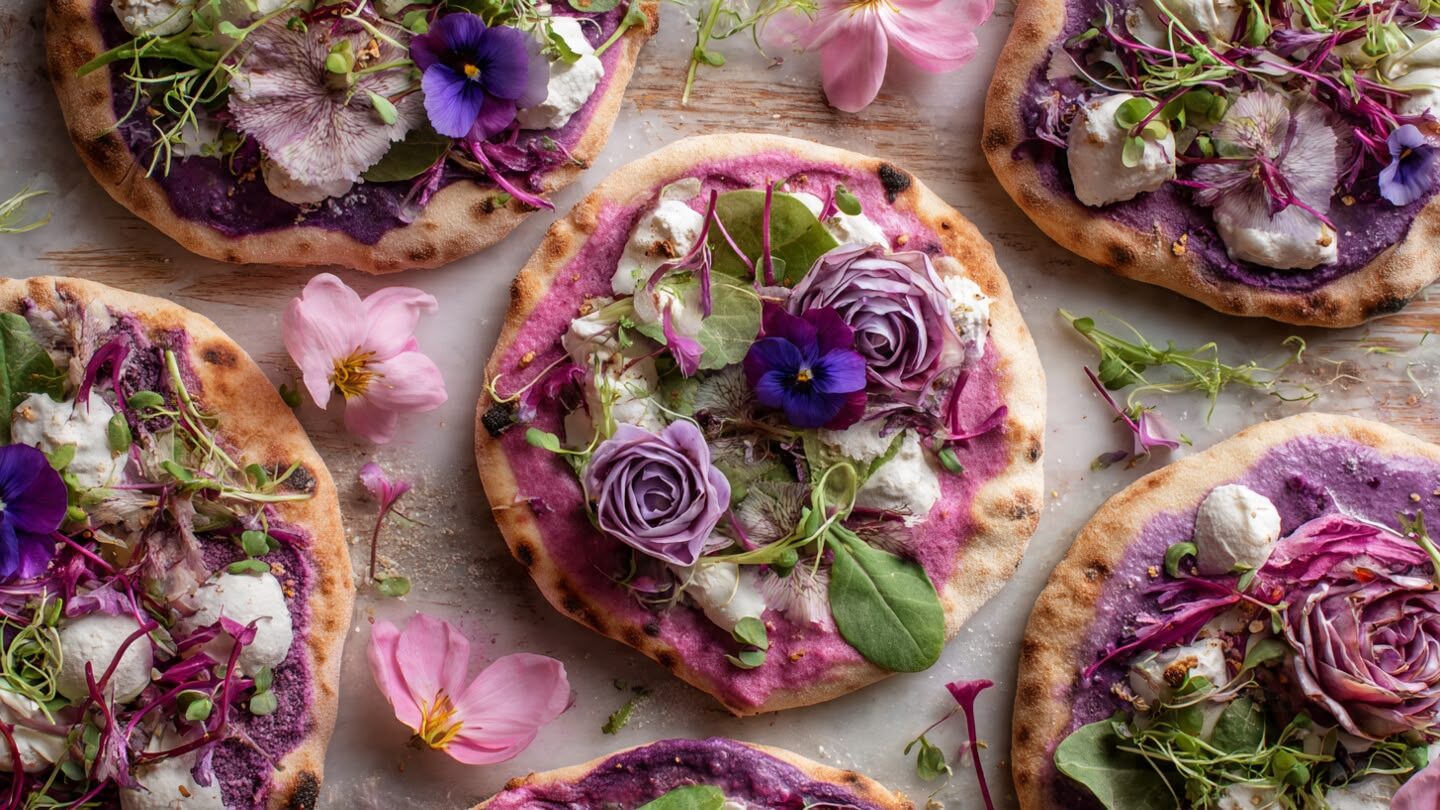
Edible flowers transform ordinary cakes, tarts, and puddings into something genuinely memorable – and more than 100 species carry both culinary safety certification and real flavour. A handful of lavender buds lifts a shortbread recipe from pleasant to extraordinary. A few viola petals turn a plain cheesecake into a conversation piece. Whether you’re sourcing blooms from your garden or through a trusted flower delivery in Dubai service, this article works as a beginner’s guide to edible flowers in desserts, walking you through sourcing, safety, flavour profiles, and four straightforward recipes you can try this weekend.
Why bother? Flavour, not just decoration
Most guides focus on aesthetics. Pretty petals on a cake. Full stop. But edible flowers carry volatile aromatic compounds – the same molecules that make herbs and spices taste interesting. Rose petals contain geraniol and citronellol, two compounds that perfumers and pastry chefs both prize. Lavender delivers linalool, the same terpene found in basil and coriander. When you fold these blooms into batters, syrups, or creams, you introduce layers of taste that sugar alone cannot replicate.
British patissier Claire Ptak – who made the lemon elderflower cake for the 2018 royal wedding – built her entire Violet Bakery brand around floral flavours. Her approach shows something worth remembering: flowers belong inside the dessert, not just on top.
Safety first – what you must know before you taste
Not every bloom belongs on a plate. Foxglove contains cardiac glycosides. Lily of the valley carries convallotoxin. Both grow freely in British gardens. Here are five non-negotiable rules:
• Buy flowers labelled “food-grade” or grow your own without pesticides, herbicides, or fungicides.
• Avoid flowers from roadsides, public parks, or florists – commercial bouquets often contain chemical preservatives.
• Remove stamens and pistils before serving, because pollen triggers allergies in roughly 1 in 4 UK adults (Allergy UK, 2023).
• Wash petals gently in cold water and pat dry with kitchen paper 30 minutes before plating.
• Introduce one new flower per recipe to isolate any digestive sensitivity.
Thompson & Morgan lists 10 commonly poisonous species, including daffodil, oleander, and sweet pea. Print that list. Stick it on your fridge.
Seven flowers that actually taste good in baking
Competitor guides often present 20 or 30 blooms with one-line descriptions. That’s a reference sheet, not a practical cooking resource. Below, I focus on seven species that perform well in heat, hold colour, and pair naturally with dessert ingredients. This table summarises key details for anyone exploring how to use edible flowers in baking.
| Flower | Flavour note | Best dessert pairing | UK season |
| Lavender (Lavandula angustifolia) | Herbal, camphor-sweet | Shortbread, crème brûlée | June–August |
| Rose (Rosa damascena) | Perfumed, honey-like | Turkish delight, panna cotta | June–July |
| Viola/Pansy | Mild, slightly grassy | Pressed into biscuits, frozen in ice | March–November |
| Elderflower | Muscat grape, citrus | Cordial syrups, sponge cakes | Late May–June |
| Chamomile | Apple-like, mellow | Ganache, poached fruit | June–September |
| Cornflower | Subtle, slightly spicy | Cake decoration, crystallised garnish | June–August |
| Nasturtium | Peppery, watercress-like | Dark chocolate truffles | June–October |
Nasturtium surprises people. That peppery kick cuts through 70% cocoa chocolate beautifully. I first tried the combination at a Borough Market stall in 2019 and have repeated it dozens of times since.
Four edible flower dessert recipes for beginners
Lavender shortbread (makes 24 biscuits)
Rub 2 teaspoons of dried culinary lavender into 200g plain flour, 75g caster sugar, and 150g cold butter. Press the dough into a lined baking tin – roughly 20 × 20 cm works well. Chill for 30 minutes. Score into fingers and bake at 160°C fan for 25 minutes until pale gold. The lavender releases aroma during baking, filling the kitchen within 10 minutes.
Rose-water panna cotta (serves 4)
Heat 400ml double cream with 50g sugar until the sugar dissolves. Soak 2 gelatine leaves in cold water for 5 minutes, then squeeze and stir into the warm cream. Add 1½ teaspoons of rose water – Nielsen-Massey produces a reliable food-grade version sold at Waitrose for about £3.50. Pour into ramekins. Refrigerate for at least 4 hours. Scatter fresh rose petals before serving.
Chamomile-infused chocolate ganache
Steep 3 tablespoons of dried chamomile in 200ml hot double cream for 12 minutes. Strain through a fine sieve. Pour the infused cream over 200g chopped dark chocolate (minimum 55% cocoa). Stir until glossy. Use this ganache as a tart filling, truffle base, or cake drip. The apple-like undertone of chamomile softens the chocolate’s bitterness without adding sweetness.
Crystallised violas for decoration
Whisk 1 egg white until frothy. Paint each viola petal with a thin layer using a small brush. Dust with caster sugar – fine, not granulated. Lay petals on baking parchment and dry at room temperature for 24–48 hours. Crystallised flowers keep for up to 2 weeks in an airtight container. Place them on cupcakes, celebration cakes, or even brownies right before serving.
Where to source food-grade blooms in the UK
Growing your own remains the safest option. The RHS recommends sowing viola and nasturtium seeds directly outdoors from April onward. A single packet from a garden centre costs between £1.50 and £3.00 and produces enough blooms for an entire summer of baking.
For those who prefer to buy ready-to-eat petals, Maddocks Farm Organics in Devon ships mixed edible flower boxes across mainland Britain. A standard punnet contains roughly 50 blooms and costs around £6.50. Greens of Devon and Nurtured in Norfolk also supply restaurants and home bakers. Flowers ordered internationally – say, from flower delivery services reaching Dubai and beyond – can inspire ideas, though always confirm food-grade status before tasting imported varieties.
Common mistakes that ruin the experience
Overdoing lavender ranks number one. More than 2 teaspoons per 200g flour and the dessert tastes soapy. Seriously soapy. The linalool concentration overwhelms other flavours fast.
Adding flowers too early in cooking destroys both colour and flavour. Petals wilt and brown within seconds under a hot grill. Add fresh blooms after baking – during cooling or at plating stage.
Mixing too many floral flavours in one dessert confuses the palate. Stick to one dominant flower per recipe. A lavender-rose-elderflower cake sounds adventurous but often tastes muddled. Each bloom deserves its own stage.
Ignoring allergies creates risk. Ask guests about pollen sensitivities before serving. The NHS estimates that roughly 13 million people in England experience hay fever symptoms, so the question matters more than most hosts realise.
Beyond garnish – infusions, syrups, and butters
Once you master basic petal work, explore deeper techniques. A jasmine simple syrup takes 10 minutes: combine 200g sugar, 200ml water, and a generous handful of jasmine blossoms in a saucepan. Simmer for 5 minutes. Strain. Drizzle the syrup over fruit salads, ice cream, or sponge layers.
Flower butters open another dimension. Blend 100g softened salted butter with 2 tablespoons of finely chopped nasturtium petals. Roll in cling film, chill, and slice coins to melt over warm scones. The peppery note offsets the butter’s richness brilliantly.
Rose sugar requires zero cooking. Layer fresh, dry rose petals with caster sugar in a jar – 1 part petals to 4 parts sugar. Seal and leave for 2 weeks. The sugar absorbs aromatic oils and turns faintly pink. Use rose sugar in meringues, sprinkled over doughnuts, or stirred into yoghurt. A single jar lasts months. Chefs across the Middle East have perfected this technique over centuries, and specialist florists – including services offering international flower delivery to Dubai – often stock Damascus rose varieties particularly suited to culinary use.
Your next step with floral baking
Start small. Pick one flower – lavender or viola – and try one recipe this week. Taste the difference between a plain shortbread and one scented with 2 teaspoons of lavender buds. That single comparison teaches you more than any article can. By my count, I’ve baked with flowers roughly 80 times over the past 4 years, and the learning curve stays gentle as long as you respect two principles: source safely and season lightly.
Edible flower dessert recipes for beginners don’t need to look like magazine covers on the first attempt. The flavour matters far more than the visual. Once you feel comfortable with basic infusions and crystallised petals, branch into syrups, butters, and even floral ice creams. For more inspiration on floral varieties and seasonal availability, explore specialist flower resources here.
What bloom will you bake with first?