
Communication skills begin forming long before children read or write. In early childhood, expression happens through movement, sound, imagery, and imaginative play. In Palmetto Bay, educators recognize that creative expression is not an extra activity. It is a primary pathway for children to develop language, social awareness, and confidence in sharing ideas with others.
Families who visit a KLA School in Palmetto Bay often notice classrooms filled with art materials, music, dramatic play areas, and open-ended projects. This environment supports communication development by giving children many ways to express their thoughts and emotions. When children create, they practice sending and receiving messages in ways that feel natural and engaging.
Creative Expression as a Language Before Words
Young children communicate long before they form complete sentences. Drawing, painting, building, and movement allow children to express meaning without relying on advanced vocabulary. These early expressions lay the groundwork for verbal communication.
Through creative activities, children learn that their ideas matter. When an adult responds to a drawing or a sculpture with curiosity, children experience the power of being understood. This recognition motivates further attempts to communicate.
Art Experiences That Strengthen Vocabulary Growth
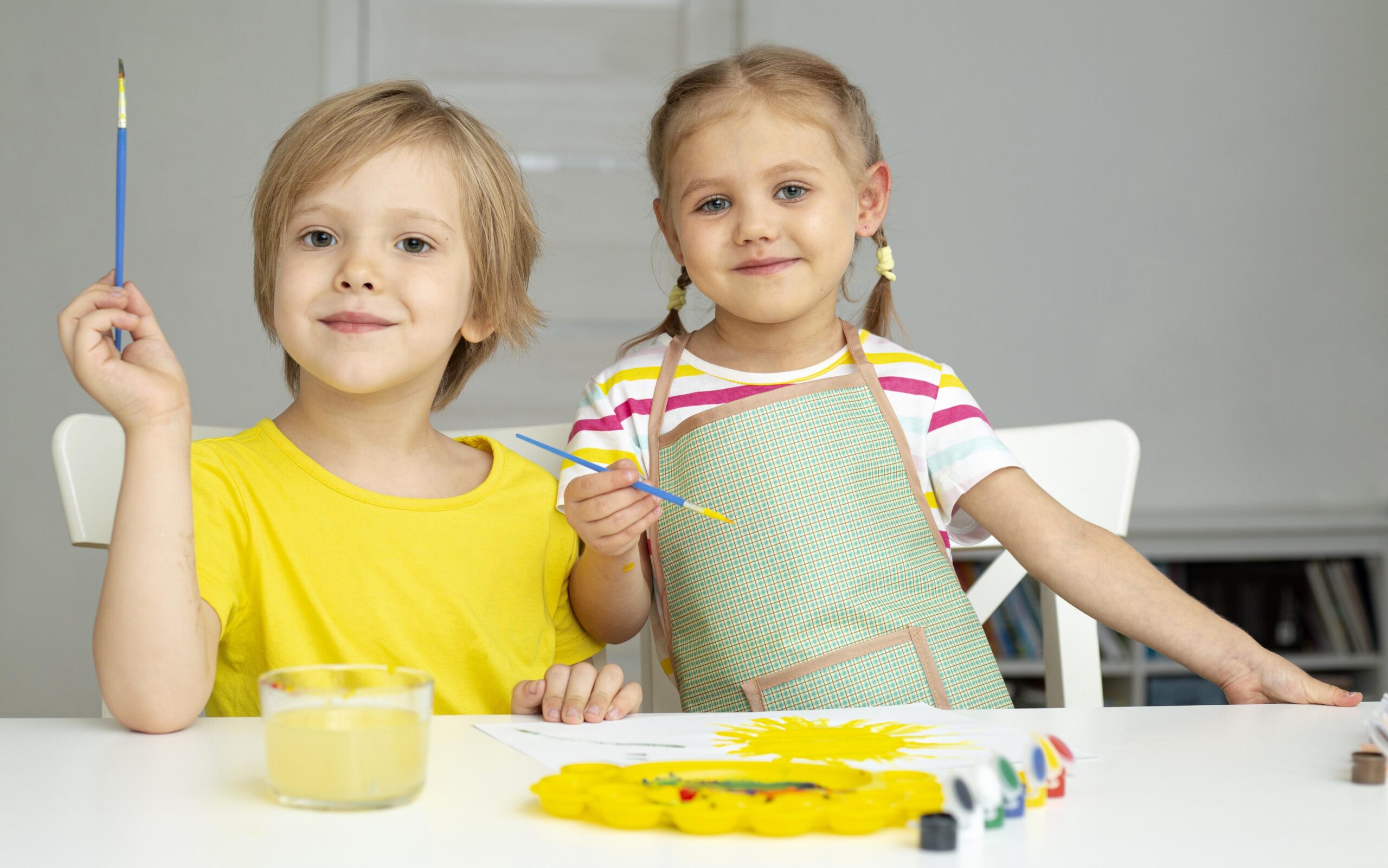
Art activities encourage descriptive language. When children choose colors, textures, or shapes, educators invite them to talk about decisions. Simple questions prompt children to explain ideas, expanding vocabulary naturally.
As children describe their work, they practice sequencing thoughts and labeling emotions. These conversations support language development in a meaningful context rather than through memorization or repetition.
Music and Rhythm as Communication Tools
Music offers another powerful form of expression. Singing, clapping, and rhythmic movement help children understand patterns and timing, which are essential components of speech. Songs introduce new words and sentence structures playfully.
Group music experiences also promote listening skills. Children learn to follow cues, respond to others, and participate in shared expression. These abilities transfer directly to conversational communication.
Dramatic Play and Social Language Development
Pretend play encourages children to use language for social purposes. Role-playing scenarios such as family life, community helpers, or imaginative worlds require children to negotiate roles and explain actions.
These interactions strengthen conversational skills. Children practice turn-taking, asking questions, and responding appropriately. Dramatic play also introduces emotional language as children act out feelings and relationships.
Movement and Gesture in Early Communication
Physical movement supports communication by connecting language with action. Gestures, facial expressions, and body language are essential elements of understanding. Activities such as dance or guided movement help children become aware of how their bodies communicate meaning.
Movement experiences support children who may struggle with verbal expression. Physical communication builds confidence and often leads to increased verbal participation over time.
Storytelling Through Visual and Tactile Media
Storytelling does not always begin with books. Children tell stories through drawings, collages, and constructions. These visual narratives help children organize thoughts and convey meaning.
Educators encourage children to explain their creations, reinforcing narrative skills. This process supports comprehension, sequencing, and expressive language development, all essential for future literacy.
Emotional Expression and Communication Confidence
Creative expression provides a safe outlet for emotions. Children may express feelings through color choices, music tempo, or imaginative scenarios. These expressions help adults understand emotional needs and guide supportive conversations.
When children feel emotionally understood, communication confidence grows. Emotional safety encourages children to speak openly and experiment with language without fear of mistakes.
Educator Roles in Supporting Expressive Communication
Teachers play a key role in extending communication during creative activities. Rather than directing outcomes, educators observe, listen, and ask open-ended questions. This approach invites children to elaborate on ideas.
Educators model respectful listening and thoughtful responses. These interactions teach children how conversations work, reinforcing communication skills through everyday experiences.
Cultural Expression and Identity Awareness
Palmetto Bay communities reflect diverse cultural backgrounds. Creative activities allow children to share traditions, symbols, and stories from home. This exchange enriches communication and fosters respect.
When children see their identities reflected in classroom expression, they feel valued. This sense of belonging supports the willingness to communicate and engage with peers.
Collaboration Through Shared Creative Projects
Group art and construction projects promote cooperative communication. Children plan together, share materials, and solve problems collectively. These experiences require clear communication and active listening.
Collaboration strengthens social language skills. Children learn to express preferences, negotiate differences, and celebrate shared accomplishments.
Family Connections and Reinforcement at Home
Creative expression extends beyond the classroom. When families encourage art, music, and storytelling at home, communication development accelerates. Sharing creations with caregivers reinforces expressive confidence.
Strong home-school connections support consistent communication growth. Children benefit when creative expression is valued across environments.
Where Expression Becomes a Voice
Creative expression helps children in Palmetto Bay find their voices long before formal academics begin. Through art, music, movement, and imaginative play, children build communication skills that support relationships and learning. These early experiences shape confident communicators who are eager to share ideas and connect with the world around them.