
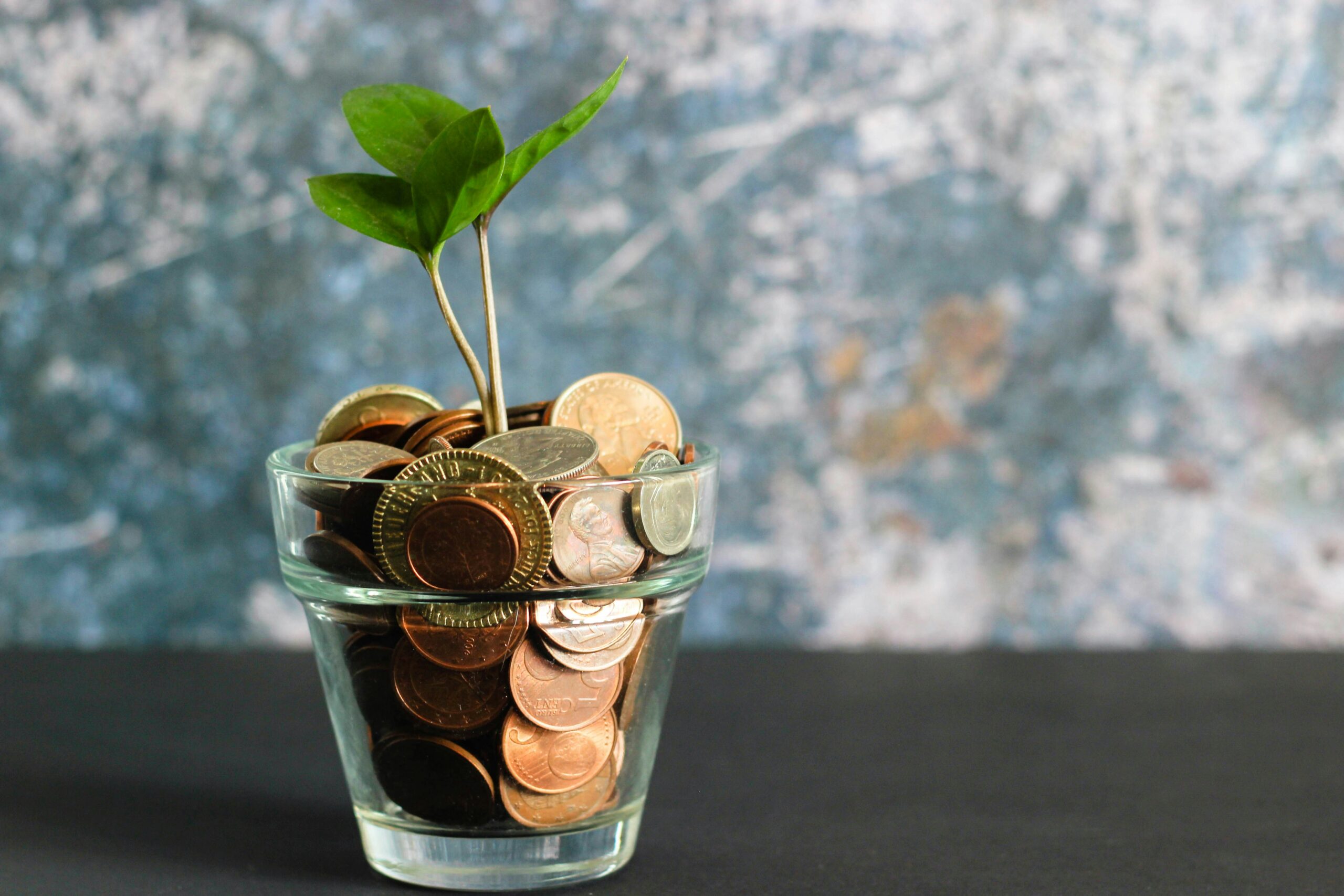
Energy efficiency has become one of the biggest priorities for homeowners in 2026. Rising utility costs, changing environmental expectations, and growing awareness around long-term property value are encouraging households to rethink how their homes consume energy.
Modern energy-saving upgrades are no longer viewed purely as environmentally conscious decisions. For many homeowners, they are practical investments designed to improve comfort, reduce monthly expenses, and create more resilient living environments.
Here are some of the most effective and practical energy-saving upgrades in which modern households are increasingly investing.
Upgrade to More Efficient Heating Systems
Heating systems remain one of the largest contributors to household energy consumption. Older systems often operate inefficiently, therefore requiring more energy to maintain comfortable indoor temperatures.
Many households are now upgrading to modern heating solutions designed to improve efficiency while reducing long-term operating costs. One increasingly popular option is professional heat pump installation, which can help households improve energy performance while reducing reliance on traditional heating systems.
Heat pumps are becoming especially attractive because they provide both heating and cooling capabilities while operating more efficiently than many conventional systems.
For homeowners planning long-term upgrades, heating efficiency is often one of the most impactful places to start.
Improve Loft and Wall Insulation
Insulation continues to be one of the most cost-effective ways to reduce household energy loss. Poorly insulated homes lose significant amounts of heat through roofs, walls, and floors, forcing heating systems to work harder throughout colder months.
Modern insulation upgrades help maintain more stable indoor temperatures while reducing energy waste.
Homeowners are increasingly investing in:
- Loft insulation
- Cavity wall insulation
- Solid wall insulation
- Floor insulation
- Pipe insulation
These improvements not only reduce energy bills but also make homes feel noticeably more comfortable year-round.
Install Smart Thermostats and Heating Controls
Smart home technology is becoming a major part of modern energy management. Smart thermostats allow households to control heating schedules more precisely, reducing unnecessary energy use throughout the day.
Many systems now learn household routines automatically and adjust temperatures based on occupancy patterns, weather conditions, and usage habits.
This gives homeowners greater visibility over energy consumption while helping reduce wasted heating costs.
Smart heating controls are especially valuable for busy households where rooms may not always need to be heated constantly.
Replace Older Windows and Doors
Windows and doors play a major role in household heat retention. Older or poorly sealed units can create draughts and significant energy loss during colder months.
Modern double and triple glazing systems help improve insulation while also reducing noise and condensation issues.
Energy-efficient doors and windows can contribute to:
- Lower heating costs
- More stable indoor temperatures
- Reduced draughts
- Improved comfort
- Better long-term property efficiency
As energy prices continue fluctuating, these upgrades are becoming increasingly attractive for homeowners focused on long-term savings.
Improve Ventilation Without Losing Heat
Modern homes are becoming increasingly airtight due to improved insulation and efficiency standards. While this helps reduce heat loss, poor ventilation can sometimes create moisture build-up and reduced indoor air quality.
Many homeowners are now investing in balanced ventilation systems that improve airflow without sacrificing energy efficiency.
Mechanical ventilation with heat recovery (MVHR) systems are becoming more popular because they allow fresh air circulation while retaining much of the home’s existing heat.
This helps create healthier indoor environments while maintaining efficient temperature control.
Upgrade to Energy-Efficient Lighting and Appliances
Smaller upgrades can also make a noticeable difference over time. LED lighting, efficient appliances, and low-energy electronics are becoming standard within modern households.
While individual savings may appear smaller initially, reduced energy consumption across multiple devices can significantly lower overall utility costs.
Many homeowners now actively look for:
- Energy-efficient washing machines
- Low-energy refrigerators
- LED lighting systems
- Smart plugs
- Efficient dishwashers
- Low-consumption electronics
These upgrades also tend to support broader sustainability goals while improving long-term household efficiency.
Modern Energy Efficiency Is About Long-Term Living
Energy-saving upgrades are becoming increasingly valuable because homeowners are thinking more strategically about long-term living costs, comfort, and property resilience.
Modern households want homes that feel efficient, reliable, and easier to manage financially over time. Heating systems, insulation, ventilation, and smart technology all play important roles in creating more sustainable living environments.
As energy expectations continue to evolve, practical efficiency improvements are likely to remain some of the most valuable investments homeowners can make for both comfort and long-term property performance.